
What Is Wear Layer Thickness in LVP and Why Does It Matter?
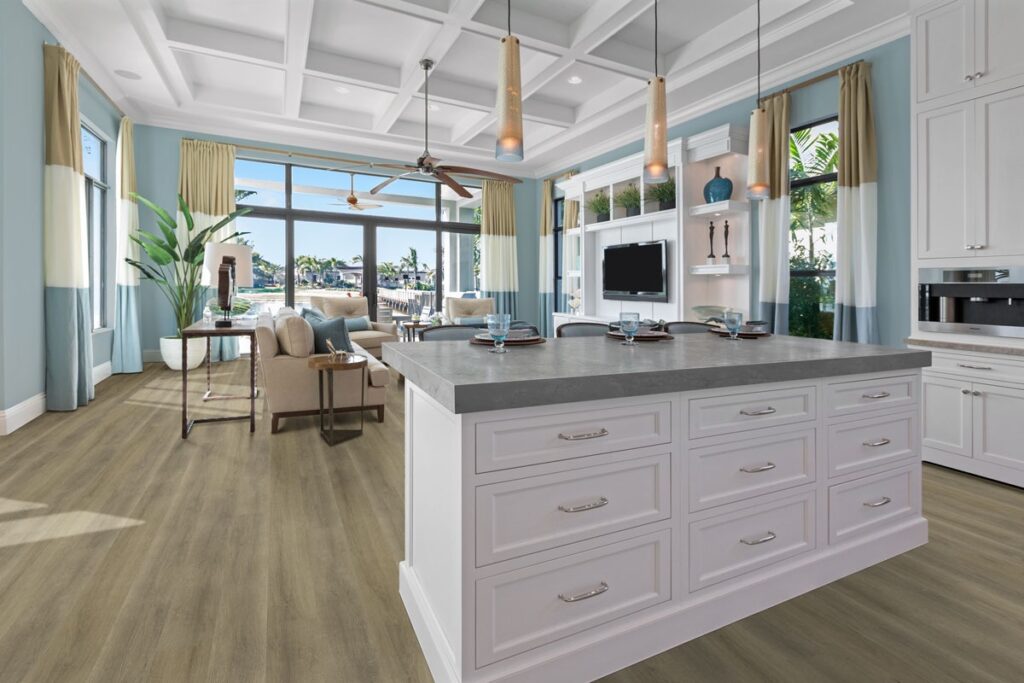
Luxury vinyl plank has become one of the most widely used flooring products in residential and light commercial spaces. For contractors, builders, and homeowners comparing LVP flooring, one specification consistently raises questions: wear layer thickness. At The Flooring Supply, we work with flooring pros and DIY customers across the USA, from Atlanta to Greenville and Charlotte, helping them evaluate high-quality flooring based on performance, not just price. Understanding wear-layer thickness is key to choosing the best-value flooring for your project. This guide explains what the wear layer is, how it’s measured, and how to choose the right thickness for your application. What Is the Wear Layer in LVP Flooring? Luxury vinyl plank is a layered product. Most LVP flooring includes: The wear layer is the clear protective surface that sits above the decorative vinyl image. Its purpose is to resist: In many products, the wear layer is made of clear PVC with urethane coatings, and sometimes enhanced with ceramic bead technology for additional abrasion resistance. Without a sufficient wear layer, the printed design beneath can wear down over time. That is why thickness matters. How Is Wear Layer Thickness Measured? Wear layer thickness is measured in mils, not millimeters. Common wear layer thicknesses in LVP flooring include: The higher the mil number, the thicker the protective surface. However, thicker does not always mean better. The right wear layer depends on traffic level and use. Why Wear Layer Thickness Matters 1. Durability Under Foot Traffic Research in surface wear testing, such as Taber Abrasion testing (ASTM D4060), shows that thicker protective layers typically withstand more abrasion cycles before visible damage occurs. In simple terms, thicker wear layers generally resist wear longer. In residential settings with moderate foot traffic, a 12 mil wear layer often performs well. In commercial or rental environments with heavier use, 20 mil or higher is typically recommended. 2. Scratch and Scuff Resistance While the wear layer thickness contributes to durability, the coating technology also plays a role. Aluminum oxide and ceramic bead finishes increase scratch resistance beyond that provided by thickness alone. That means a high-quality 12 mil wear layer with advanced coating may outperform a lower-quality 20 mil layer. For contractors installing LVP flooring in active households, pets and furniture movement are practical considerations. The wear layer helps protect against everyday abrasion. 3. Long-Term Appearance Once the decorative print layer is compromised, the flooring cannot be refinished like engineered hardwood. The wear layer is the primary defense. A thicker wear layer helps maintain the visual integrity of LVT and LVP flooring for longer, especially in kitchens, entryways, and commercial spaces. 4. Warranty Implications Many manufacturers tie residential and commercial warranties directly to wear layer thickness. For example: When evaluating wholesale flooring options, warranty coverage should be reviewed alongside thickness. Recommended Wear Layer Thickness by Application Residential Homes For most homeowners, 12 mil provides a balance of durability and cost. It works well for: Higher-traffic households, especially those with pets or children, may benefit from 20 mil. Rental Properties Landlords often prefer 20 mil wear layers to reduce replacement frequency. While discount flooring options with lower wear layers may reduce upfront cost, durability often lowers long-term expense. Light Commercial Spaces Retail shops, offices, and professional buildings typically require 20 mil or greater. This supports higher foot traffic and rolling loads. Heavy Commercial Some commercial settings may require specialized LVT flooring with enhanced wear layers beyond 22 mil and additional performance certifications. Does Thicker Always Mean Better? Not necessarily. Here are three important considerations: 1. Core Construction The core (SPC, WPC, or flexible vinyl) affects stability and dent resistance. A thick wear layer cannot compensate for a weak core. 2. Overall Plank Thickness Total plank thickness and wear layer thickness are separate specifications. A 5 mm plank with a 20 mil wear layer may perform differently than a 6.5 mm plank with the same wear layer. 3. Intended Use Over-specifying can increase material costs without added benefit. A guest bedroom does not require commercial-grade protection. Choosing the best flooring means matching product specs to real-world conditions. LVP vs Engineered Hardwood: Wear Considerations Unlike engineered hardwood, which can sometimes be refinished depending on veneer thickness, LVP flooring relies entirely on its wear layer for surface protection. Engineered hardwood durability is determined by the hardwood veneer thickness, while LVP performance depends on mil thickness and coating quality. Both have advantages. LVP often provides stronger moisture resistance and lower maintenance, making it practical in kitchens and basements. Cost vs Long-Term Value Wear layer thickness impacts price, but it also impacts lifecycle cost. For contractors, selecting appropriate thickness can reduce callbacks and replacement costs. For homeowners, it protects against premature wear. Studies in flooring lifecycle analysis suggest that more durable surface materials reduce long-term replacement frequency, lowering environmental impact and total cost of ownership. When evaluating wholesale flooring, balancing durability and budget ensures best value flooring over time. How to Choose the Right Wear Layer Here is a practical decision guide: 1. Evaluate Traffic Level Low, moderate, or heavy? 2. Consider Occupants Pets, children, commercial customers? 3. Review Warranty Coverage Residential or commercial? 4. Compare Coating Technology Look for urethane, aluminum oxide, or ceramic bead finishes. 5. Confirm Source Quality Work with trusted flooring suppliers who prioritize high-quality flooring. At The Flooring Supply, we help contractors and homeowners compare LVP flooring specifications clearly, without unnecessary complexity. Wear Layer Thickness and Regional Considerations With growing demand in Greenville, Atlanta, and Charlotte, flooring needs often reflect mixed-use environments, rental properties, and new construction homes. In humid southeastern climates, moisture-resistant LVP flooring, combined with an appropriate wear layer, delivers practical performance. The Flooring Supply can drop ship anywhere in the USA, supporting projects regardless of location. Matching Specification to Performance Wear-layer thickness in LVP flooring matters because it directly affects durability, appearance retention, warranty coverage, and long-term value. However, the right choice depends on application, not just the highest number available. For most residential applications, 12 mil offers reliable performance. For heavier use or
What Is Luxury Vinyl Plank (LVP) Flooring? Everything You Need to Know
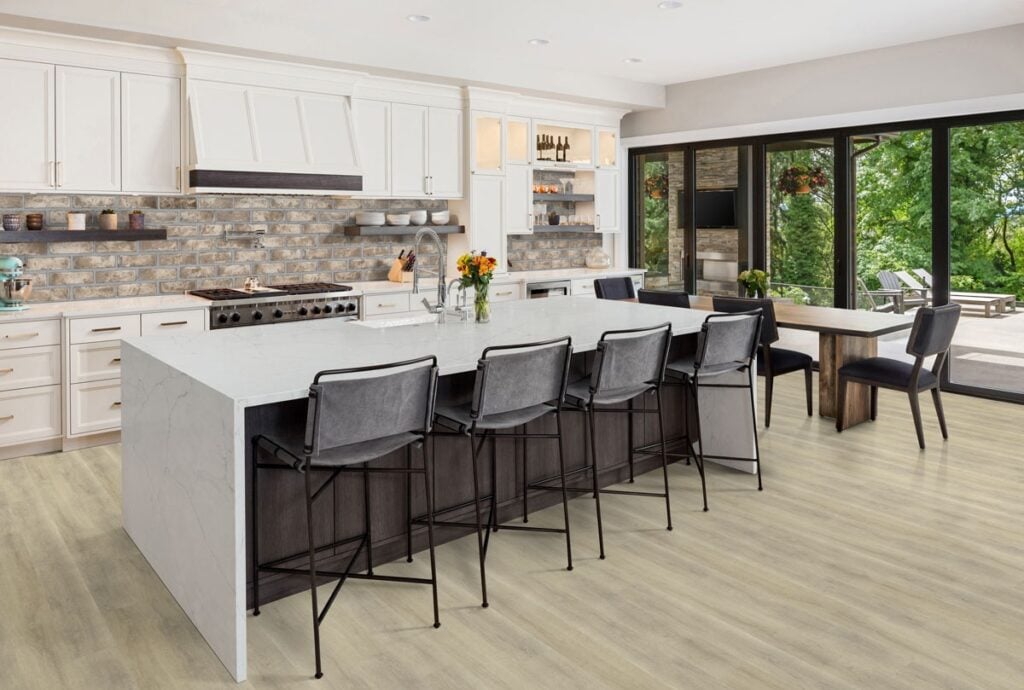
Luxury vinyl plank flooring, commonly called LVP flooring, has become one of the fastest-growing categories in the flooring industry. Contractors, home builders, restoration professionals, and homeowners across the United States are choosing it for durability, water resistance, and cost efficiency. At The Flooring Supply, we connect professionals and DIY customers with high-quality flooring at competitive pricing. Whether you’re sourcing flooring in Greenville, Atlanta, or shipping nationwide, understanding LVP helps you make informed decisions that protect both your budget and performance. This guide breaks down what LVP flooring is, how it’s constructed, where it performs best, and how it compares to other flooring options, such as LVT and engineered hardwood. What Is LVP Flooring? Luxury vinyl plank (LVP) flooring is a multi-layered resilient flooring product designed to replicate the appearance of hardwood while offering enhanced durability and moisture resistance. Unlike traditional sheet vinyl, modern LVP flooring uses advanced printing and texturing technology to mimic natural wood grain patterns, knots, and surface variation. Many products also include embossed-in-register finishes that align texture with the printed design for a more realistic appearance. LVP is typically installed in plank form, similar in size to hardwood boards. Its counterpart, LVT flooring (luxury vinyl tile), is manufactured in tile formats to replicate stone or ceramic. How LVP Flooring Is Constructed Understanding construction helps explain performance. Most LVP flooring products contain four primary layers: 1. Wear Layer The transparent top layer protects against scratches, stains, and everyday wear and tear. Measured in mil thickness, this layer directly impacts durability. Commercial applications often require 20 mil or higher wear layers. 2. Print Film Layer This layer contains the high-resolution image that gives the plank its wood appearance. 3. Core Layer The core provides structure and stability. There are two common types: 4. Backing Layer The base layer provides balance and may include attached underlayment for added acoustic performance. According to the North American Laminate Flooring Association and industry testing standards such as ASTM International methods, properly manufactured rigid core vinyl products demonstrate strong dimensional stability under temperature changes and exposure to moisture. Why LVP Flooring Has Grown in Popularity Several factors explain the rapid growth of LVP flooring in both residential and light commercial applications. Water Resistance Unlike engineered hardwood, LVP does not absorb moisture. This makes it suitable for kitchens, bathrooms, basements, and restoration projects. For water-prone areas, LVP flooring reduces the risk of warping or swelling. Durability The wear layer protects against everyday abrasion. Research in surface coatings shows that polyurethane-based wear layers significantly improve scratch resistance compared to traditional vinyl finishes. For contractors managing high-traffic projects, durability translates into fewer callbacks. Installation Efficiency Many LVP products feature click-lock floating systems, reducing installation time. For flooring professionals, faster installs improve labor efficiency and profitability. Cost Efficiency Compared to engineered hardwood, LVP flooring offers a lower material cost while delivering a comparable aesthetic. For budget-sensitive builds or rental properties, this balance makes LVP one of the best value flooring solutions available. LVP vs. LVT vs. Engineered Hardwood Understanding comparisons helps position LVP correctly for your project. LVP Flooring LVT Flooring Engineered Hardwood Engineered hardwood offers an authentic wood appearance, but in moisture-prone areas, LVP flooring often delivers longer-term stability. Where LVP Performs Best LVP flooring works well in: For professionals operating in markets like flooring in Greenville, flooring in Atlanta, or flooring in Charlotte, LVP offers flexibility across climate zones due to its dimensional stability. Return on Investment: Is LVP Worth It? Return on investment (ROI) in flooring often comes down to durability, installation cost, and resale appeal. While hardwood traditionally carries strong resale value, LVP flooring continues gaining acceptance among buyers. According to national remodeling reports, flooring upgrades consistently rank among improvements that positively impact resale potential. For contractors, ROI also includes: When sourced as wholesale flooring or discount flooring through a trusted supplier, LVP can improve margins without sacrificing quality. How to Choose the Right LVP Flooring If you’re selecting LVP flooring for a project, consider these factors: 1. Wear Layer Thickness 2. Core Type 3. Subfloor Conditions SPC performs better over imperfect subfloors due to rigidity. 4. Warranty and Certifications Look for products meeting FloorScore® indoor air quality standards. Low VOC certification contributes to healthier indoor environments. Installation Best Practices for Professionals For contractors and flooring installers, installation quality directly affects performance. Proper installation protects product warranties and reduces service issues. Industry Innovation in LVP Flooring The LVP category continues to evolve. Current innovations include: As manufacturing technology advances, the gap between vinyl and natural hardwood aesthetics continues to narrow. For flooring professionals, staying informed about these advancements simplifies client education and improves project outcomes. Why Source LVP from The Flooring Supply? The Flooring Supply connects contractors, builders, and homeowners with high-quality flooring options at competitive pricing. By focusing on LVP, LVT, and engineered hardwood, the company streamlines product selection and procurement. With nationwide drop shipping and growing operations in Greenville and Atlanta, sourcing flooring becomes efficient and cost-effective. Whether you’re building a flooring business, completing a renovation, or managing a large-scale project, having access to reliable wholesale flooring improves both workflow and margins. Make Smarter Flooring Decisions Luxury vinyl plank flooring has earned its place as one of the most practical and adaptable flooring solutions on the market. Its combination of durability, moisture resistance, and installation efficiency makes it suitable for professionals and homeowners alike. If you’re evaluating flooring options for your next project, explore high-quality LVP flooring and other best-value flooring solutions at The Flooring Supply. Visit https://theflooringsupply.com/ to review available products, compare options, and simplify your flooring supply process.
LVP vs. Engineered Hardwood for New Home Construction: A Contractor’s Guide
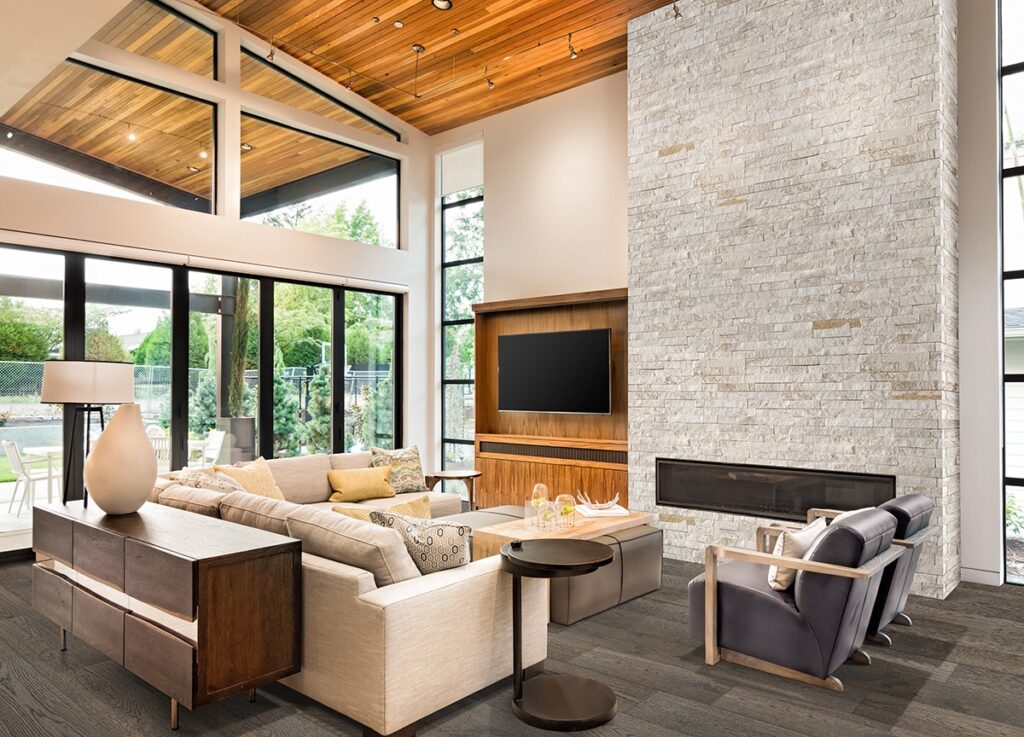
When planning flooring for new home construction, few decisions impact cost, timeline, and buyer appeal more than the choice between LVP flooring and engineered hardwood. Both products are widely used across the U.S., including in growing markets such as Atlanta, Greenville, and Charlotte. Each offers distinct advantages depending on the project scope, budget, and target homeowner. For contractors and builders sourcing high-quality flooring at competitive rates, understanding the performance differences, installation requirements, and long-term value of each option is essential. This guide breaks down what matters most in the field. Understanding the Materials What Is LVP Flooring? Luxury Vinyl Plank (LVP) is a synthetic flooring product designed to mimic hardwood. It typically consists of multiple layers: Many modern LVP products meet standards for water resistance and durability. According to the Resilient Floor Covering Institute (RFCI), rigid core vinyl products are engineered for dimensional stability and moisture resistance, making them suitable for high-traffic areas and moisture-prone environments. What Is Engineered Hardwood? Engineered hardwood features a real hardwood veneer bonded to layers of plywood or high-density fiberboard. Unlike solid hardwood, its cross-layer construction increases dimensional stability. The National Wood Flooring Association (NWFA) notes that engineered hardwood is designed to reduce expansion and contraction caused by humidity changes, making it more stable than solid hardwood in many environments. Performance Comparison for New Construction 1. Moisture Resistance LVP Flooring Engineered Hardwood For new builds in humid regions such as the Southeast, including Greenville and Atlanta, moisture stability often plays a decisive role. LVP provides more flexibility for slab foundations and variable site conditions. 2. Durability and Wear LVP Flooring Engineered Hardwood In homes designed for resale within 5–10 years, LVP may offer lower long-term maintenance risk. For custom homes targeting higher price points, engineered hardwood can enhance perceived value. 3. Installation Efficiency Installation speed directly impacts contractor profitability. LVP Installation Engineered Hardwood Installation For builders managing tight schedules, especially in multi-unit or production home projects, LVP flooring can shorten installation timelines and reduce callbacks related to moisture movement. 4. Cost and Budget Impact Material costs fluctuate by market, but generally: Labor costs also differ due to installation complexity. For contractors sourcing wholesale flooring or discount flooring, LVP often presents a stronger margin opportunity. However, engineered hardwood may justify higher resale pricing in certain neighborhoods. A 2022 Remodeling Cost vs. Value Report by Zonda Media indicates that hardwood flooring continues to deliver strong resale appeal, though vinyl flooring improvements have become increasingly competitive in mid-range markets. Buyer Expectations in Today’s Market Homeowners increasingly expect durability, water resistance, and low maintenance. At the same time, many still associate real wood with quality. When LVP Is the Better Choice When Engineered Hardwood Makes Sense For contractors building in expanding regions like Greenville and Charlotte, aligning flooring selection with neighborhood pricing tiers can protect margins and support resale value. Return on Investment Considerations Flooring ROI depends on: LVP flooring often provides: Engineered hardwood may provide: The “best flooring” choice depends on project goals. If the objective is cost control and durability, LVP often wins. If the objective is long-term perception of property value, engineered hardwood may be justified. Climate and Regional Factors In humid Southeastern markets such as Atlanta and Greenville: In drier climates or fully climate-controlled homes, engineered hardwood performs reliably. Builders should also consider subfloor type: Maintenance and Warranty Differences LVP Flooring Engineered Hardwood For contractors aiming to minimize post-build service calls, LVP can reduce risk exposure. Sustainability Considerations Engineered hardwood uses less solid wood than traditional hardwood, making it more resource-efficient than solid planks. LVP manufacturing has evolved, and many products now meet FloorScore® indoor air quality certifications. Contractors working with environmentally conscious buyers should review manufacturer certifications and VOC compliance documentation before selection. Making the Right Call for Your Project Choosing between LVP flooring and engineered hardwood comes down to three key questions: For production builders and renovation professionals, LVP frequently offers the best value in flooring, with respect to cost, durability, and speed. For higher-end residential construction, engineered hardwood may enhance resale positioning. Why Source Flooring Strategically? Beyond product selection, sourcing matters. Reliable supply chains, consistent product quality, and competitive pricing impact contractor profitability. Whether you are building in Atlanta, Greenville, Charlotte, or shipping nationwide, working with a trusted supplier ensures access to: Build Smarter with the Right Flooring Partner Both LVP and engineered hardwood have a place in new home construction. The difference lies in understanding project goals, buyer expectations, and the realities of installation. If you are looking for dependable access to LVP flooring, engineered hardwood, and other high-quality flooring solutions at competitive prices, The Flooring Supply connects professionals and homeowners nationwide with products built for performance. Explore current inventory and wholesale options at: https://theflooringsupply.com/ Choosing the right flooring is not just about materials. It is about building smarter from the ground up.
The ROI of Offering Luxury Vinyl Plank to Clients

If you install flooring for a living or manage renovation budgets, one question matters more than most: Does this product deliver measurable return on investment? Luxury Vinyl Plank (LVP) has become one of the fastest-growing segments in the flooring industry. For contractors, builders, and homeowners, it offers a balance of performance, cost control, and resale value that directly impacts ROI. At The Flooring Supply, professionals across Greenville, Atlanta, Charlotte, and nationwide rely on high-quality flooring options like LVP Flooring and LVT Flooring to meet performance standards while protecting margins. This guide breaks down the real return on investment of offering luxury vinyl plank to clients, supported by industry research and practical insights for flooring professionals. Why ROI Matters in Flooring Decisions Flooring is not a decorative afterthought. It influences: According to the 2023 remodeling impact report by the National Association of Realtors (NAR), flooring refinishing and replacement projects consistently rank among the top interior upgrades for return on investment. While hardwood refinishing sees strong returns, replacing worn floors with durable, low-maintenance alternatives also significantly increases buyer appeal. For contractors and builders, ROI is not only about resale value. It includes: Luxury vinyl plank addresses each of these factors in measurable ways. Material Cost vs. Performance Value One of the primary drivers of ROI with LVP Flooring is its balance between cost and durability. 1. Competitive Material Pricing Compared to solid hardwood or premium engineered hardwood, LVP typically carries a lower material cost per square foot. When sourced through wholesale flooring suppliers like The Flooring Supply, contractors can secure discount flooring pricing that protects profit margins while delivering high-quality flooring to clients. This creates two advantages: 2. Durability Backed by Testing Standards Luxury vinyl plank products are tested under industry standards such as ASTM (American Society for Testing and Materials) performance ratings for wear resistance and impact strength. Research published by the Resilient Floor Covering Institute (RFCI) highlights that modern LVP products feature multi-layer construction, including wear layers engineered to resist abrasion and indentation. For contractors, this means fewer callbacks due to surface damage. Durability directly affects ROI by reducing: Installation Efficiency and Labor Profitability Time is money on a jobsite. LVP Flooring improves installation efficiency compared to many traditional flooring materials. Faster Installation Times Click-lock systems and floating floor designs reduce: For contractors, quicker installations mean: According to data from Home Innovation Research Labs, simplified flooring systems that reduce installation time can lower total installed cost by 10–20 percent compared to traditional hardwood installations. That time savings translates directly into improved ROI for flooring professionals. Moisture Resistance and Reduced Risk One of the biggest financial risks in flooring projects is moisture failure. Hardwood and some engineered hardwood products can expand, cup, or warp when exposed to moisture. In contrast, many LVP Flooring options are water-resistant or fully waterproof. This matters for: By offering LVP, contractors reduce: In restoration and multifamily work, especially, moisture-resistant materials significantly reduce long-term liability. Appeal to Modern Homebuyers Return on investment is also influenced by market demand. According to Statista’s U.S. Flooring Market Data, resilient flooring categories, including LVP and LVT Flooring, have experienced consistent growth over the past decade, surpassing traditional materials in many residential applications. Why? Buyers increasingly prioritize practicality. Homes marketed with updated, low-maintenance flooring often attract stronger buyer interest than homes with outdated carpet or worn hardwood. For builders in markets like Greenville, Atlanta, and Charlotte, offering LVP aligns with regional demand trends in growing housing markets. Maintenance and Lifecycle Cost Analysis True ROI includes the total cost of ownership. Hardwood flooring may require: Luxury vinyl plank generally requires: A study by the Building Owners and Managers Association (BOMA) on the lifecycle cost analysis of flooring materials found that resilient flooring often delivers lower long-term maintenance costs than traditional hardwood in high-traffic settings. Profit Margins for Flooring Contractors Offering LVP Flooring can improve profitability in three practical ways: 1. Strong Supply Chain Flexibility Wholesale flooring distribution allows contractors to maintain a consistent supply without excessive inventory overhead. The Flooring Supply supports professionals by offering nationwide drop shipping, helping contractors reduce storage costs while maintaining access to high-quality flooring. 2. Fewer Skilled Labor Barriers Hardwood installation requires specialized training and experience. LVP systems are generally more forgiving and easier for trained crews to access. This expands labor flexibility and reduces dependency on niche installers. 3. Higher Project Volume Because LVP is cost-effective and widely appealing, contractors often see: When installation efficiency improves and sales volume increases, overall business ROI improves. LVP vs. Engineered Hardwood: ROI Considerations Engineered Hardwood remains a strong product category, particularly for high-end residential builds. However, when evaluating ROI: Factor LVP Flooring Engineered Hardwood Moisture Resistance High Moderate Installation Speed Fast Moderate Maintenance Low Moderate Initial Cost Lower Higher Refinishing Potential No Limited For investment properties, rental units, and mid-range builds, LVP frequently delivers stronger financial efficiency. For premium custom homes, engineered hardwood may align with buyer expectations. A balanced offering allows contractors to position themselves as advisors rather than product pushers. Market Growth and Industry Trends The flooring industry continues to evolve. Reports from Grand View Research indicate that the global luxury vinyl flooring market is projected to grow steadily through the next decade due to demand for cost-effective, durable alternatives to hardwood. This growth trend signals: For flooring businesses, aligning with growth categories reduces risk and improves long-term viability. Offering LVP is not just about short-term margin; it is about staying aligned with where the industry is heading. How Contractors Can Maximize ROI with LVP To fully capitalize on the return potential of LVP Flooring: 1. Source Strategically Partner with suppliers that provide: 2. Educate Clients Explain: Clients who understand value are less likely to question price. 3. Bundle Services Offer: Bundling increases ticket size while enhancing project durability. 4. Target Growing Markets Rapidly expanding regions like Greenville and Charlotte present strong demand for affordable, durable flooring options in new construction and remodeling. Positioning as a trusted resource for Best Value Flooring strengthens authority. Simplifying the Flooring
Why More Contractors Are Switching to LVP Flooring

Across Greenville, SC, Atlanta, GA, Charlotte, NC, and throughout the I-85 corridor, contractors are rethinking how they approach flooring. Rising labor costs, tight project timelines, and higher client expectations are pushing professionals to seek materials that deliver performance without slowing the job. One material continues to stand out: LVP flooring, also known as luxury vinyl plank. At The Flooring Supply, we work with flooring professionals, home builders, and restoration contractors every day. We’ve seen firsthand why so many are moving toward luxury vinyl plank as their go-to solution. This shift is not a trend. It is a practical business decision. Let’s break down why more contractors are switching to LVP flooring, and what it means for your projects and profitability. What Is LVP Flooring? Luxury vinyl plank flooring is a multi-layer synthetic flooring product designed to replicate the look of hardwood. It typically includes: Unlike traditional sheet vinyl, modern LVP flooring uses advanced printing and embossing techniques that closely mirror natural wood grain and texture. According to the Resilient Floor Covering Institute (RFCI), resilient flooring products such as luxury vinyl have seen steady growth in market share over the past decade due to improvements in durability, moisture resistance, and installation systems. 1. Faster Installation Means Higher Profit Margins For contractors, time is money. LVP flooring offers clear advantages over engineered hardwood and traditional hardwood in installation speed. Click-Lock Systems Reduce Labor Time Most LVP products feature floating click-lock systems. These systems: In residential projects across Atlanta and Greenville, contractors report that LVP installations often complete significantly faster than engineered hardwood installations. Less Downtime Between Phases Unlike glued-down LVT flooring or hardwood that may require acclimation periods, many rigid-core LVP products require minimal acclimation, depending on manufacturer guidelines. That means: For flooring professionals running multiple crews along the I-85 corridor, these efficiencies translate into more completed jobs per month. 2. Water Resistance Reduces Callbacks One of the biggest challenges contractors face is post-installation issues. Moisture is often the culprit. LVP Is Built for moisture-prone areas Luxury vinyl plank is highly water-resistant, and many SPC core products are waterproof. This makes LVP flooring a strong solution for: According to data published by the National Wood Flooring Association (NWFA), moisture-related failures are among the most common causes of flooring claims in traditional wood installations. By installing LVP in appropriate environments, contractors reduce the risk of: For restoration professionals in Charlotte and Greenville handling water damage repairs, LVP offers a practical, reliable replacement option. 3. Lower Material Costs Without Sacrificing Quality Cost control matters. Whether you’re bidding on a multi-family build in Atlanta or remodeling a single-family home in Greenville, your margins depend on accurate material pricing. Wholesale Flooring Access Changes the Equation Working with a supplier like The Flooring Supply allows pros to access: This helps contractors remain competitive while still delivering a product that looks and performs well. The ROI of LVP Flooring From a homeowner’s perspective, LVP flooring offers strong value because: From a contractor’s perspective, that means easier selling. When you can offer a best value flooring solution that meets budget expectations without compromising durability, closing jobs becomes simpler. 4. Fewer Maintenance Concerns for Clients Contractors often serve as trusted advisors to homeowners. Recommending a flooring product that minimizes long-term headaches protects your reputation. LVP flooring offers: Engineered hardwood has its place, particularly in higher-end builds. But for many mid-range residential and light commercial projects, LVP delivers practical performance. In high-traffic households, especially those with pets or children, luxury vinyl plank can be the more appropriate recommendation. 5. Inventory Availability Along the I-85 Corridor Contractors in Greenville, Atlanta, and Charlotte face another challenge: material availability. Supply chain disruptions over the past several years have forced many pros to rethink where they source flooring. LVP flooring’s widespread manufacturing and growing demand have improved availability compared to some hardwood categories. With The Flooring Supply relocating its home base from Atlanta to Greenville, contractors across the I-85 corridor benefit from: That logistical advantage helps pros stay on schedule. 6. LVP vs LVT vs Engineered Hardwood Contractors often compare: Each has a place in the market. LVP Flooring LVT Flooring Engineered Hardwood In many entry-to-mid-tier residential projects, LVP flooring provides the best balance between performance and cost. 7. How Contractors Can Make More Money Installing Flooring If you’re looking to increase profitability, consider the following strategies: 1. Standardize on a Few Proven LVP Lines By focusing on reliable SKUs from trusted suppliers, you reduce training time and installation errors. 2. Leverage Wholesale Pricing Buying through a supplier that understands contractor needs allows you to improve markup flexibility. 3. Offer Tiered Options Present homeowners with three flooring tiers: This structure increases average ticket value. 4. Reduce Callbacks Water-resistant LVP lowers risk in kitchens, bathrooms, and basements. Fewer callbacks mean stronger margins. 8. Why the Shift Is Accelerating The construction and remodeling industries are data-driven. Contractors adopt materials that: Industry reports from market research firms such as Freedonia Group have shown sustained growth in demand for luxury vinyl flooring driven by durability improvements and consumer acceptance. As homeowners become more comfortable with LVP flooring, resistance to “vinyl” as a category continues to decline. In Greenville, Atlanta, and Charlotte, flooring professionals are responding to market demand by offering luxury vinyl plank as the primary solution rather than a secondary option. 9. Simplifying the Flooring Industry One of the challenges contractors face is navigating a fragmented supply chain. The Flooring Supply focuses on simplifying access to: Whether you are installing flooring in Greenville, managing a development in Atlanta, or remodeling homes in Charlotte, having a reliable supplier improves workflow and predictability. Partner with The Flooring Supply Contractors are switching to LVP flooring because it supports better margins, faster installations, and fewer long-term issues. It offers durability, water resistance, and strong value for homeowners. If you are a flooring professional or builder working along the I-85 corridor or anywhere in the United States, sourcing matters just as much as product selection. The Flooring Supply connects contractors and homeowners
Why Buying From a Vinyl Flooring Wholesaler Is Smarter for Your Next Project
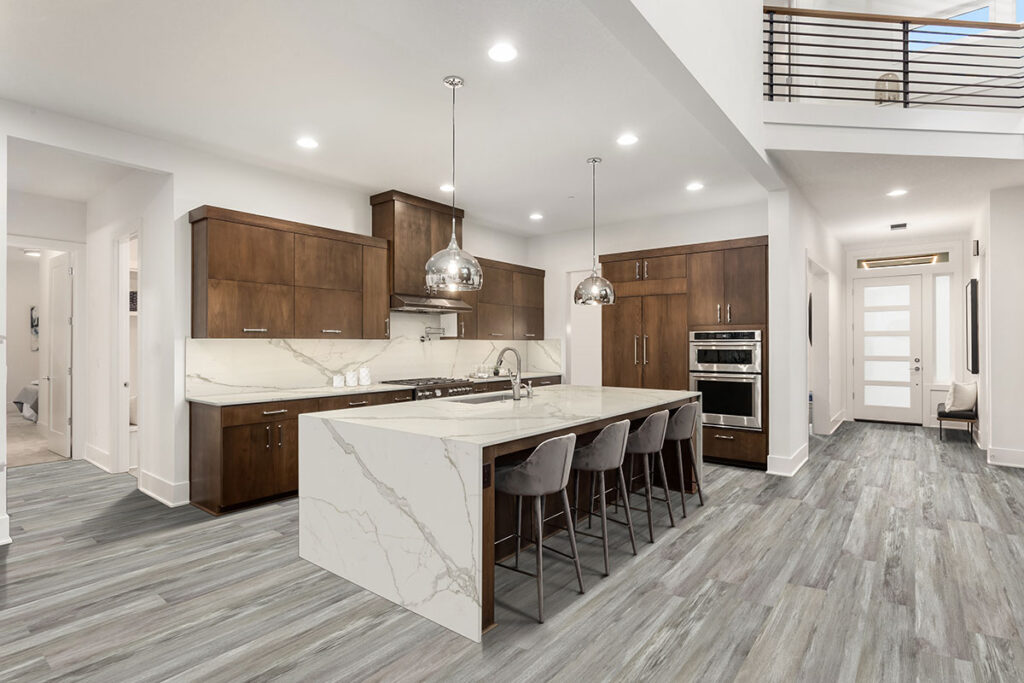
Whether you’re updating a single room or taking on a multi-unit build, the way you source your materials changes everything. Choosing the right vinyl flooring wholesaler can save you significant money, cut down on delays, and get you better products than what you’d typically find on a retail shelf. What makes vinyl flooring worth choosing in the first place? Vinyl flooring has earned its reputation for good reason. It’s waterproof, easy to maintain, and built to handle everyday wear in busy homes and commercial spaces. Modern vinyl options come in luxury plank and tile formats that closely mimic the look of wood or stone, without the high upkeep. Two popular formats are worth knowing: The real advantages of buying wholesale Wholesale pricing means you’re buying closer to the source, skipping the extra layers that retail adds to the final price tag. That difference matters, especially on larger projects. Here’s a quick look at how wholesale buying compares to standard retail: Factor Retail Store Wholesale Supplier Pricing Marked up for margin Factory-direct rates better value Order size flexibility Limited to shelf stock Bulk or single-project orders Product depth Curated for general public Professional-grade catalog Delivery options Store pickup or basic shipping Nationwide drop shipping to job sites Expert guidance Sales-floor staff Dedicated product consultations Who benefits most from wholesale flooring? What to look for in a wholesale flooring partner Not all wholesale suppliers operate the same way. Here are a few things worth checking before you commit: About The Flooring Supply The Flooring Supply is a trusted vinyl flooring wholesaler offering factory-direct pricing on Luxury Vinyl Plank, Luxury Vinyl Tile, and Engineered Hardwood. Designed to serve both homeowners and contractors, our streamlined process takes you from browsing to delivery with no guesswork. You can request a personalized quote, get real product guidance, and have your floors shipped directly to your driveway or job site, typically within 5 to 7 business days. For contractors, our Pro Portal offers bulk access, a referral program, and nationwide drop shipping support. We also offer a free Room Visualizer to help you preview finishes before you order. Whether it’s a single-room refresh or a large commercial build, we are built to keep your project on track. Ready to get started? Call (678) 288-9005 or visit theflooringsupply.com to request your personalized quote today. Get a Free Quote
Why Wholesale Vinyl Plank Flooring Is the Smart Choice for High-Traffic Spaces
If you’re outfitting a large home, a commercial property, or multiple rooms at once, the cost of flooring adds up fast. That’s where buying wholesale vinyl plank flooring makes a real difference, both for your budget and your schedule. Vinyl plank flooring has become one of the most preferred options across residential and commercial spaces, and for good reason. It looks great, holds up well, and doesn’t demand the upkeep that natural wood or stone requires. When you source it at wholesale volumes, you’re getting that same quality at a price that simply makes more sense. What Makes Vinyl Plank Flooring So Popular? Before we talk volume buying, it helps to understand why vinyl plank flooring has pulled ahead of so many other options. It’s not just about cost, it’s about performance. Key reasons homeowners and contractors prefer vinyl plank Understanding the layers: what you’re actually buying Not all vinyl plank is built the same. Knowing the construction helps you pick the right product for the right space. Layer Purpose What to look for Wear layer Scratch and stain protection 6 mil for residential, 12+ mil for commercial Print/design layer Visual appearance High-definition embossing for realistic texture Core layer Rigidity and stability SPC (stone plastic composite) for high-traffic areas Underlayment Sound absorption, cushioning Pre-attached saves time and cost Why Buying At Wholesale Volumes Just Makes Sense Whether you’re a contractor handling multiple job sites or a homeowner tackling a large renovation, purchasing wholesale vinyl plank flooring means you’re not paying retail markup on every box. You’re locking in a better price per square foot, reducing the number of orders you have to manage, and making sure all your material comes from the same production batch, which matters more than people realize. Batch consistency means the color, texture, and finish will match perfectly across every plank. That’s a detail that’s easy to overlook until you’re mid-installation and notice a visible difference between boxes purchased weeks apart. What wholesale purchasing typically covers Choosing The Right Plank For Your Project The thickness of the plank, the wear layer rating, and the core type all affect how the floor performs long-term. Here’s a quick breakdown of what tends to work best by space type. Space type Recommended thickness Core suggestion Bedroom / low traffic 4 to 6 mm LVP with standard core Living room / moderate traffic 6 to 8 mm LVP or entry-level SPC Kitchen / bathroom 6 to 8 mm SPC, waterproof core Commercial / heavy traffic 8 mm and above SPC with high mil wear layer Installation Tips Worth Keeping In Mind Even the best flooring can fall short if it’s not installed correctly. A few things that make the process smoother: Your One-Stop Shop for Quality Flooring Solutions The Flooring Supply is a trusted destination for homeowners, contractors, and commercial buyers looking for quality flooring at competitive prices. We offer an extensive selection of vinyl plank, hardwood, laminate, tile, and specialty flooring products sourced from reputable manufacturers. Whether you’re working on a single-room refresh or a large-scale commercial project, The Flooring Supply offers the product range and buying flexibility to meet your needs. Our team understands what professionals and homeowners are looking for: consistent quality, reliable availability, and pricing that works for real budgets. From LVP to hardwood and everything in between, every product is selected for durability and design. Ready to start your next project? Explore our full range and get the right flooring at the right price. FAQs
How to Maintain LVP and Engineered Hardwood Floors for Long-Term Value
Flooring is one of the most visible and heavily used surfaces in any property. For contractors, builders, and homeowners, the decision to install LVP flooring or engineered hardwood is often driven by durability, appearance, and long-term return on investment. But the true value of flooring is realized after installation through proper maintenance. At The Flooring Supply, we work with flooring professionals and homeowners across Greenville, SC, Atlanta, GA, Charlotte, NC, and along the I-85 corridor who want high-quality flooring at competitive wholesale flooring prices. Whether you are installing in a residential remodel or managing multiple new builds, understanding how to maintain these materials protects your investment and strengthens your reputation. This guide provides clear, practical steps to maintain luxury vinyl plank and engineered hardwood floors for long-term value. Why Maintenance Matters for Long-Term ROI According to the National Association of Realtors’ Remodeling Impact Report, new wood flooring and refinishing existing hardwood consistently rank among projects with strong cost recovery at resale. Properly maintained floors not only last longer but also preserve appearance, which directly impacts property value. For contractors, fewer callbacks and longer-lasting installations mean stronger margins and better referrals. For homeowners, consistent maintenance reduces the cost of premature replacement. Whether you are sourcing discount flooring for a flip in Greenville or installing engineered hardwood in a custom home in Atlanta, maintenance is part of delivering the best value flooring possible. Maintaining LVP Flooring for Long-Term Performance Luxury vinyl plank (LVP) flooring is known for its durability, water resistance, and ease of maintenance. However, “low maintenance” does not mean “no maintenance.” 1. Daily and Weekly Cleaning Best Practices LVP flooring should be cleaned regularly to prevent grit and debris from scratching the wear layer. Best Practices Avoid steam mops. While LVP is water-resistant, high heat can affect adhesives and locking systems over time. For restoration professionals and contractors working in multi-unit or commercial settings, recommending simple cleaning protocols to clients can significantly extend floor life. 2. Preventing Surface Wear The wear layer is what protects LVP flooring. Protecting that layer preserves appearance. Key Prevention Steps Research from the Forest Products Laboratory (U.S. Department of Agriculture) highlights that controlling moisture and abrasive debris significantly reduces surface deterioration in flooring materials. For flooring pros across Charlotte and Greenville, these small preventative steps can reduce warranty issues and customer complaints. 3. Managing Moisture and Spills LVP flooring performs well in kitchens, basements, and bathrooms because it is more moisture-resistant than traditional hardwood. Still, standing water should not be left unattended. For contractors sourcing high-quality flooring through wholesale channels, subfloor prep remains one of the most important factors in long-term durability. Maintaining Engineered Hardwood for Long-Term Value Engineered hardwood offers the visual appeal of solid wood with improved stability. It performs well in climates along the I-85 corridor where humidity levels fluctuate between Atlanta and the Carolinas. However, it requires more attention than LVP. 1. Control Indoor Climate Wood is a natural material that responds to environmental changes. The National Wood Flooring Association (NWFA) recommends maintaining: In areas like Greenville, SC, and Charlotte, NC, seasonal humidity swings can cause expansion and contraction. Installing humidifiers or dehumidifiers when needed protects engineered hardwood floors. Contractors should educate homeowners about this at project completion. 2. Proper Cleaning Techniques Engineered hardwood should be cleaned carefully to avoid damaging the finish. Recommended Approach Never use steam mops on engineered hardwood. Heat and moisture combined can compromise adhesives and veneer layers. For professionals installing engineered hardwood in Atlanta homes, educating clients about cleaning protects both the flooring and your brand reputation. 3. Surface Protection and Refinishing Unlike LVP flooring, many engineered hardwood products can be lightly refinished depending on the veneer thickness. To extend lifespan: While engineered hardwood does not refinish as many times as solid hardwood, quality products sourced from reliable suppliers can provide decades of service when properly maintained. Comparing Long-Term Maintenance: LVP vs Engineered Hardwood Factor LVP Flooring Engineered Hardwood Moisture Resistance High Moderate Climate Sensitivity Low Moderate Refinishing Option No Limited Cleaning Complexity Simple Moderate Ideal For High-traffic, rental, commercial Residential, resale-focused homes For restoration professionals and builders, selecting the right product depends on the application. For investors focused on ROI, LVP flooring often provides lower long-term maintenance costs. For high-end residential builds, engineered hardwood may enhance perceived value. The key is not just choosing the best flooring but maintaining it correctly. Maintenance as a Business Strategy for Flooring Pros If you are a flooring contractor along the I-85 corridor, maintenance education can be a competitive advantage. Here is how: Working with a reliable wholesale flooring partner ensures consistent product performance, reducing callbacks and protecting margins. Innovations in Flooring That Impact Maintenance Modern LVP flooring now includes enhanced wear layers and improved locking systems. Many engineered hardwood products use advanced core construction to reduce moisture-related movement. These innovations improve durability, but they do not eliminate the need for proper care. As flooring materials continue to evolve, maintenance protocols remain a foundational element of long-term value. Flooring in Greenville, Atlanta, Charlotte, and Along I-85 Climate matters. The Southeastern U.S. experiences variations in humidity that directly affect flooring performance. Whether installing flooring in Greenville, sourcing flooring in Atlanta, or supplying flooring in Charlotte, climate-conscious maintenance practices are essential. The Flooring Supply’s move toward Greenville strengthens our connection with contractors and builders across the corridor while maintaining nationwide drop-shipping capabilities. Long-Term Value Comes Down to Three Principles Regardless of product type, flooring longevity depends on: When these three are aligned, both LVP flooring and engineered hardwood deliver strong long-term returns. Protect Your Flooring Investment with the Right Partner Choosing the right flooring is only part of the equation. Maintaining it properly protects property value, strengthens contractor reputations, and reduces long-term costs. Whether you are a builder sourcing wholesale flooring for multiple developments, a restoration professional managing high-traffic installations, or a homeowner investing in engineered hardwood, long-term value begins with quality materials and continues with informed maintenance. At The Flooring Supply, we connect pros and homeowners with high-quality flooring
How to Install LVP Flooring Like a Pro
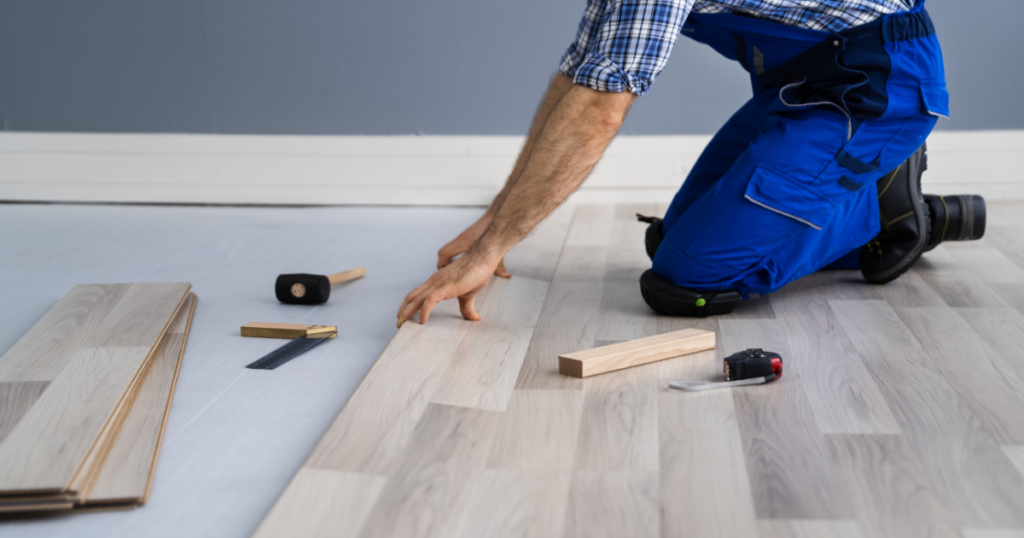
Luxury vinyl plank has become one of the most requested flooring options across Greenville, SC, Atlanta, GA, Charlotte, NC, and throughout the I-85 corridor. Homeowners appreciate its durability and design flexibility. Contractors value its speed of installation and consistent performance. At The Flooring Supply, we connect flooring pros and homeowners with high-quality flooring at competitive prices, including LVP, LVT, and engineered hardwood. Whether you are a general contractor managing multiple builds or a homeowner tackling your first install, understanding how to install LVP flooring correctly is essential to achieving professional results. This guide walks you through the full process, from preparation to final trim, so you can install flooring with confidence. Why LVP Flooring Is a Smart Choice Before we get into installation, it helps to understand why luxury vinyl plank continues to grow in popularity. According to industry data from organizations such as the Resilient Floor Covering Institute (RFCI), resilient flooring products like LVP have seen steady growth due to their water resistance, durability, and lower lifecycle maintenance compared to traditional hardwood in moisture-prone environments. Key advantages include: For contractors working in flooring in Greenville, flooring in Atlanta, or flooring in Charlotte, LVP flooring has become a practical solution that balances cost, performance, and installation efficiency. Tools and Materials You Will Need Installing LVP flooring does not require specialized equipment, but proper tools make a noticeable difference in results. Basic Tools Additional Materials Using high-quality flooring products and following manufacturer guidelines ensures long-term performance. Step 1: Prepare the Subfloor Properly Professional results begin with preparation. Inspect the Subfloor LVP flooring requires a clean, flat, and structurally sound surface. Most manufacturers specify that subfloor variation should not exceed 3/16 inch over 10 feet. Subfloors can be: Address Moisture Moisture testing is especially important on concrete slabs. ASTM standards recommend moisture testing before installation. Excess moisture can cause flooring failure, even with water-resistant materials. In areas along I-85 where humidity can fluctuate, such as Greenville and Atlanta, testing is not optional. It protects your reputation as a contractor and the homeowner’s investment. Level and Clean Skipping this step often results in visible imperfections and joint stress later. Step 2: Acclimate the Flooring While many LVP products require less acclimation than engineered hardwood, most manufacturers still recommend allowing planks to sit in the installation space for 24–48 hours. Keep room temperature between 65°F and 85°F, depending on product guidelines. Consistent temperature and humidity prevent unnecessary expansion or contraction. Step 3: Plan the Layout Professional installers rarely start laying planks without a layout plan. Measure the Room If necessary, trim the first row slightly so both sides of the room have balanced plank widths. Stagger the Seams Maintain a minimum stagger distance of 6 to 12 inches, as specified by the manufacturer. Randomizing the pattern improves structural integrity and visual appeal. Snap a chalk line along your starting wall to ensure your first row is straight. Step 4: Install the First Row This row determines the alignment of the entire floor. For click-lock LVP flooring, insert the tongue into the groove at the recommended angle and press down until it locks. Use a tapping block gently if needed. Never force planks together. If resistance occurs, check alignment. Step 5: Continue Row by Row After the first row is installed: Work steadily across the room. Around Door Frames Around Obstacles Use a template to mark cuts for vents or irregular shapes. A sharp utility knife works for straight cuts, while a jigsaw may be needed for complex cuts. Step 6: Install the Final Row The last row often requires lengthwise cutting. Take your time here. This is where uneven walls become noticeable. Step 7: Finishing Touches Once planks are installed: Avoid heavy furniture placement for at least 24 hours unless otherwise specified. Common Mistakes to Avoid Even experienced contractors can make preventable errors. Ignoring Expansion Gaps Without expansion space, LVP flooring can buckle under temperature changes. Skipping Moisture Testing Water-resistant does not mean waterproof under all conditions. Subfloor moisture can still cause issues. Poor Subfloor Prep Uneven surfaces lead to premature joint wear. Not Following Manufacturer Guidelines Each product may have specific installation requirements. Always review technical documentation. How Proper Installation Impacts ROI The true value of luxury vinyl plank flooring goes beyond initial cost. According to remodeling cost studies, quality flooring consistently ranks among the top upgrades for resale value. Professional installation: For pros sourcing discount flooring without sacrificing quality, proper installation ensures the best-value flooring truly delivers long-term results. LVP vs Engineered Hardwood Installation Considerations While engineered hardwood offers the natural wood construction of solid hardwood, LVP flooring is generally faster to install and more forgiving. Engineered Hardwood LVP Flooring Choosing the right material depends on job site conditions and client goals. Supporting Pros Along the I-85 Corridor The Flooring Supply is relocating its headquarters from Atlanta to Greenville, strengthening its presence in the Southeast while continuing to serve flooring customers in Atlanta, Greenville, and Charlotte, as well as nationwide. Working with reliable suppliers ensures access to high-quality flooring at competitive prices for homeowners and contractors alike. This relationship simplifies the ordering process, improves job efficiency, protects margins, and allows for materials to be shipped directly to job sites. Install With Confidence Installing LVP flooring like a pro comes down to preparation, precision, and patience. When subfloors are properly prepared, layouts are carefully planned, and manufacturer guidelines are followed, LVP flooring delivers durable, attractive results that hold up for years. If you are a contractor looking to streamline sourcing or a homeowner ready to upgrade your space, The Flooring Supply offers high-quality flooring options, including LVP, LVT, and engineered hardwood. To explore available products or learn more about visit: https://theflooringsupply.com/ Partner with a supplier that understands flooring across Greenville, Atlanta, Charlotte, and everywhere in between.
How to Install Luxury Vinyl Plank Flooring

Are you tired of the outdated and worn-out flooring in your home? If so, it might be time to consider upgrading to luxury vinyl plank (LVP) flooring. This innovative flooring solution offers a wide range of benefits that make it an increasingly popular choice among homeowners. One of the primary advantages of LVP flooring is its stunning visual appeal. Designed to mimic the look and texture of natural materials like wood and stone, luxury vinyl planks can elevate the aesthetic of any room. With a vast array of styles, colors, and patterns to choose from, you can easily find an option that perfectly complements your existing décor or inspires a whole new design direction. In addition to its aesthetic appeal, LVP flooring is renowned for its exceptional durability and longevity. Crafted with multiple layers of high-quality materials, including a rigid core and a protective wear layer, these planks are built to withstand the rigors of everyday life. They are resistant to scratches, dents, and water damage, making them an ideal choice for high-traffic areas and households with pets or children. With proper care and maintenance, your luxury vinyl plank flooring can maintain its pristine appearance for years to come. Types of Luxury Vinyl Plank Flooring When it comes to luxury vinyl plank flooring, there are several different types to consider, each with its own unique characteristics and benefits. Understanding the differences between these options can help you make an informed decision that best suits your needs and preferences. One of the most common types of LVP flooring is rigid core, which features a rigid, high-density core made of materials like wood composite or plastic. This core provides exceptional stability and durability, making it resistant to warping, cupping, and other forms of damage. Rigid core LVP is often a popular choice for homeowners looking for a reliable and long-lasting flooring solution. Another type of LVP flooring is the click-lock variety, which utilizes a unique interlocking system to simplify the installation process. These planks are designed to snap together seamlessly, creating a secure and stable surface without the need for adhesives. This makes click-lock LVP an attractive option for DIY enthusiasts or homeowners who want a quick and hassle-free installation. In addition to these standard types, there are also specialized LVP options, such as waterproof luxury vinyl planks. These planks are engineered with a completely waterproof core, making them an excellent choice for bathrooms, laundry rooms, and other areas prone to moisture. Waterproof LVP offers the same stunning visual appeal and durability as traditional luxury vinyl, but with the added benefit of superior water resistance. Preparing the Subfloor for Installation Before you can begin the process of installing your luxury vinyl plank flooring, it’s crucial to ensure that your subfloor is properly prepared. This step is essential for ensuring a smooth, level, and long-lasting installation. The first task in preparing your subfloor is to thoroughly clean the surface. Remove any dirt, debris, or existing flooring materials that may be present. This will provide a clean and even base for your new LVP flooring. If there are any significant cracks, holes, or uneven areas in the subfloor, address them by filling and leveling the surface as needed. This will help prevent future issues, such as unevenness or premature wear and tear of the new flooring. Another important consideration is the moisture content of the subfloor. Excess moisture can lead to a variety of problems, including warping, buckling, and mold growth. Before proceeding with the installation, use a moisture meter to test the subfloor and ensure that it meets the manufacturer’s recommended moisture levels. If the subfloor is too damp, you may need to address the issue by using a moisture barrier or sealant before laying the LVP flooring. Once the subfloor is clean, level, and dry, it’s time to assess its suitability for the LVP installation. Depending on the type of subfloor you have (concrete, plywood, or other materials), there may be specific preparation requirements or recommended underlayment to use. Consult the manufacturer’s instructions and follow their guidelines to ensure a successful and long-lasting installation. Acclimating the Luxury Vinyl Plank Flooring Proper acclimation of your luxury vinyl plank flooring is a crucial step in the installation process that is often overlooked. Acclimation refers to the process of allowing the planks to adjust to the temperature and humidity levels of the room where they will be installed. This step is essential for ensuring a successful and durable installation. Before you begin the installation, it’s important to remove the LVP planks from their packaging and allow them to sit in the room for at least 48 hours. This gives the planks time to adapt to the environmental conditions, which can help prevent issues such as gapping, buckling, or excessive expansion or contraction after installation. During the acclimation period, make sure to keep the planks flat and stacked, and avoid exposing them to direct sunlight or other heat sources. This will help maintain their stability and prevent any warping or distortion. Additionally, ensure that the room where the LVP will be installed is at the appropriate temperature and humidity levels, as specified by the manufacturer. By taking the time to properly acclimate your luxury vinyl plank flooring, you can minimize the risk of installation problems and ensure a seamless, long-lasting finish. This step may seem tedious, but it’s well worth the effort to ensure the success and longevity of your new flooring investment. How To Install Luxury Vinyl Plank Flooring With your subfloor properly prepared and your LVP planks acclimated, it’s time to begin the installation process. Depending on the specific product you’ve chosen, the installation method may vary, but the general steps remain similar. Start by laying out the planks in the desired pattern and orientation. Many LVP products feature a staggered or random pattern, which can add visual interest and a more natural appearance to your floors. Carefully measure the room and plan the layout to ensure that you minimize the need for