If you install flooring for a living or manage renovation budgets, one question matters more than most: Does this product deliver measurable return on investment?
Luxury Vinyl Plank (LVP) has become one of the fastest-growing segments in the flooring industry. For contractors, builders, and homeowners, it offers a balance of performance, cost control, and resale value that directly impacts ROI. At The Flooring Supply, professionals across Greenville, Atlanta, Charlotte, and nationwide rely on high-quality flooring options like LVP Flooring and LVT Flooring to meet performance standards while protecting margins.
This guide breaks down the real return on investment of offering luxury vinyl plank to clients, supported by industry research and practical insights for flooring professionals.
Why ROI Matters in Flooring Decisions
Flooring is not a decorative afterthought. It influences:
- Home resale value
- Installation labor costs
- Warranty claims and callbacks
- Long-term maintenance expenses
- Client satisfaction and referrals
According to the 2023 remodeling impact report by the National Association of Realtors (NAR), flooring refinishing and replacement projects consistently rank among the top interior upgrades for return on investment. While hardwood refinishing sees strong returns, replacing worn floors with durable, low-maintenance alternatives also significantly increases buyer appeal.
For contractors and builders, ROI is not only about resale value. It includes:
- Material markup potential
- Installation speed
- Reduced jobsite complications
- Lower post-install service calls
Luxury vinyl plank addresses each of these factors in measurable ways.
Material Cost vs. Performance Value
One of the primary drivers of ROI with LVP Flooring is its balance between cost and durability.
1. Competitive Material Pricing
Compared to solid hardwood or premium engineered hardwood, LVP typically carries a lower material cost per square foot. When sourced through wholesale flooring suppliers like The Flooring Supply, contractors can secure discount flooring pricing that protects profit margins while delivering high-quality flooring to clients.
This creates two advantages:
- More competitive bids
- Increased markup flexibility
2. Durability Backed by Testing Standards
Luxury vinyl plank products are tested under industry standards such as ASTM (American Society for Testing and Materials) performance ratings for wear resistance and impact strength.
Research published by the Resilient Floor Covering Institute (RFCI) highlights that modern LVP products feature multi-layer construction, including wear layers engineered to resist abrasion and indentation. For contractors, this means fewer callbacks due to surface damage.
Durability directly affects ROI by reducing:
- Replacement cycles
- Warranty claims
- Dissatisfied customers
Installation Efficiency and Labor Profitability
Time is money on a jobsite. LVP Flooring improves installation efficiency compared to many traditional flooring materials.
Faster Installation Times
Click-lock systems and floating floor designs reduce:
- Subfloor preparation time
- Adhesive curing periods
- Specialized labor requirements
For contractors, quicker installations mean:
- More projects completed per month
- Reduced labor overhead
- Improved scheduling flexibility
According to data from Home Innovation Research Labs, simplified flooring systems that reduce installation time can lower total installed cost by 10–20 percent compared to traditional hardwood installations.
That time savings translates directly into improved ROI for flooring professionals.
Moisture Resistance and Reduced Risk
One of the biggest financial risks in flooring projects is moisture failure.
Hardwood and some engineered hardwood products can expand, cup, or warp when exposed to moisture. In contrast, many LVP Flooring options are water-resistant or fully waterproof.
This matters for:
- Basements
- Kitchens
- Bathrooms
- Rental properties
- Restoration projects
By offering LVP, contractors reduce:
- Insurance disputes
- Costly tear-outs
- Post-install complaints
In restoration and multifamily work, especially, moisture-resistant materials significantly reduce long-term liability.
Appeal to Modern Homebuyers
Return on investment is also influenced by market demand.
According to Statista’s U.S. Flooring Market Data, resilient flooring categories, including LVP and LVT Flooring, have experienced consistent growth over the past decade, surpassing traditional materials in many residential applications.
Why?
- Realistic wood visuals
- Lower maintenance requirements
- Improved scratch resistance
- Compatibility with pets and children
Buyers increasingly prioritize practicality. Homes marketed with updated, low-maintenance flooring often attract stronger buyer interest than homes with outdated carpet or worn hardwood.
For builders in markets like Greenville, Atlanta, and Charlotte, offering LVP aligns with regional demand trends in growing housing markets.
Maintenance and Lifecycle Cost Analysis
True ROI includes the total cost of ownership.
Hardwood flooring may require:
- Periodic refinishing
- Specialized cleaning
- Climate control considerations
Luxury vinyl plank generally requires:
- Basic sweeping and mopping
- No refinishing
- Minimal specialty products
A study by the Building Owners and Managers Association (BOMA) on the lifecycle cost analysis of flooring materials found that resilient flooring often delivers lower long-term maintenance costs than traditional hardwood in high-traffic settings.
- For homeowners, that translates to predictable maintenance costs.
- For contractors, it means stronger value positioning during consultations.
Profit Margins for Flooring Contractors
Offering LVP Flooring can improve profitability in three practical ways:
1. Strong Supply Chain Flexibility
Wholesale flooring distribution allows contractors to maintain a consistent supply without excessive inventory overhead.
The Flooring Supply supports professionals by offering nationwide drop shipping, helping contractors reduce storage costs while maintaining access to high-quality flooring.
2. Fewer Skilled Labor Barriers
Hardwood installation requires specialized training and experience. LVP systems are generally more forgiving and easier for trained crews to access.
This expands labor flexibility and reduces dependency on niche installers.
3. Higher Project Volume
Because LVP is cost-effective and widely appealing, contractors often see:
- More accepted bids
- Faster decision-making from clients
- Increased referral potential
When installation efficiency improves and sales volume increases, overall business ROI improves.

LVP vs. Engineered Hardwood: ROI Considerations
Engineered Hardwood remains a strong product category, particularly for high-end residential builds.
However, when evaluating ROI:
| Factor | LVP Flooring | Engineered Hardwood |
| Moisture Resistance | High | Moderate |
| Installation Speed | Fast | Moderate |
| Maintenance | Low | Moderate |
| Initial Cost | Lower | Higher |
| Refinishing Potential | No | Limited |
For investment properties, rental units, and mid-range builds, LVP frequently delivers stronger financial efficiency.
For premium custom homes, engineered hardwood may align with buyer expectations. A balanced offering allows contractors to position themselves as advisors rather than product pushers.
Market Growth and Industry Trends
The flooring industry continues to evolve.
Reports from Grand View Research indicate that the global luxury vinyl flooring market is projected to grow steadily through the next decade due to demand for cost-effective, durable alternatives to hardwood.
This growth trend signals:
- Continued manufacturer innovation
- Expanded design options
- Increased market acceptance
For flooring businesses, aligning with growth categories reduces risk and improves long-term viability.
Offering LVP is not just about short-term margin; it is about staying aligned with where the industry is heading.
How Contractors Can Maximize ROI with LVP
To fully capitalize on the return potential of LVP Flooring:
1. Source Strategically
Partner with suppliers that provide:
- Competitive wholesale flooring pricing
- Reliable drop shipping
- Consistent product quality
2. Educate Clients
Explain:
- Wear layer ratings
- Waterproof capabilities
- Warranty coverage
- Maintenance expectations
Clients who understand value are less likely to question price.
3. Bundle Services
Offer:
- Subfloor inspection
- Transition strip upgrades
- Moisture mitigation services
Bundling increases ticket size while enhancing project durability.
4. Target Growing Markets
Rapidly expanding regions like Greenville and Charlotte present strong demand for affordable, durable flooring options in new construction and remodeling.
Positioning as a trusted resource for Best Value Flooring strengthens authority.
Simplifying the Flooring Decision for Clients
Many homeowners feel overwhelmed by the number of flooring options.
By presenting LVP as a practical solution that balances aesthetics, durability, and cost, contractors simplify decision-making.
This improves:
- Sales conversion rates
- Customer trust
- Repeat business
Simplifying the flooring industry begins with offering materials that solve real-world problems without unnecessary complications.
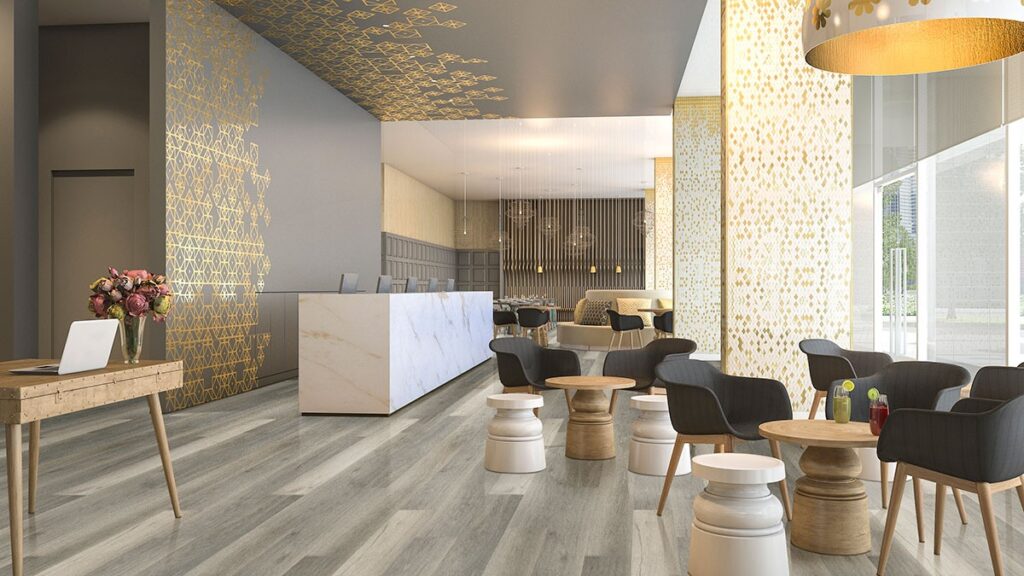
A Strategic Flooring Investment
Luxury Vinyl Plank has evolved from an alternative option to a primary flooring category for contractors and homeowners alike. Backed by industry growth data, performance testing standards, and lifecycle cost research, LVP Flooring delivers measurable return on investment across material cost, labor efficiency, durability, and resale appeal.
For flooring professionals seeking to increase profitability, reduce installation risk, and align with modern market demand, offering high-quality flooring options like LVP is a strategic move.
To explore reliable wholesale flooring solutions and access Best Flooring products at competitive pricing, visit https://theflooringsupply.com/ and discover how The Flooring Supply supports contractors nationwide from Greenville to Atlanta and beyond.
By choosing materials wisely, ROI is not just a calculation. It becomes a competitive advantage.