
How to Win More Flooring Jobs with Faster Material Delivery
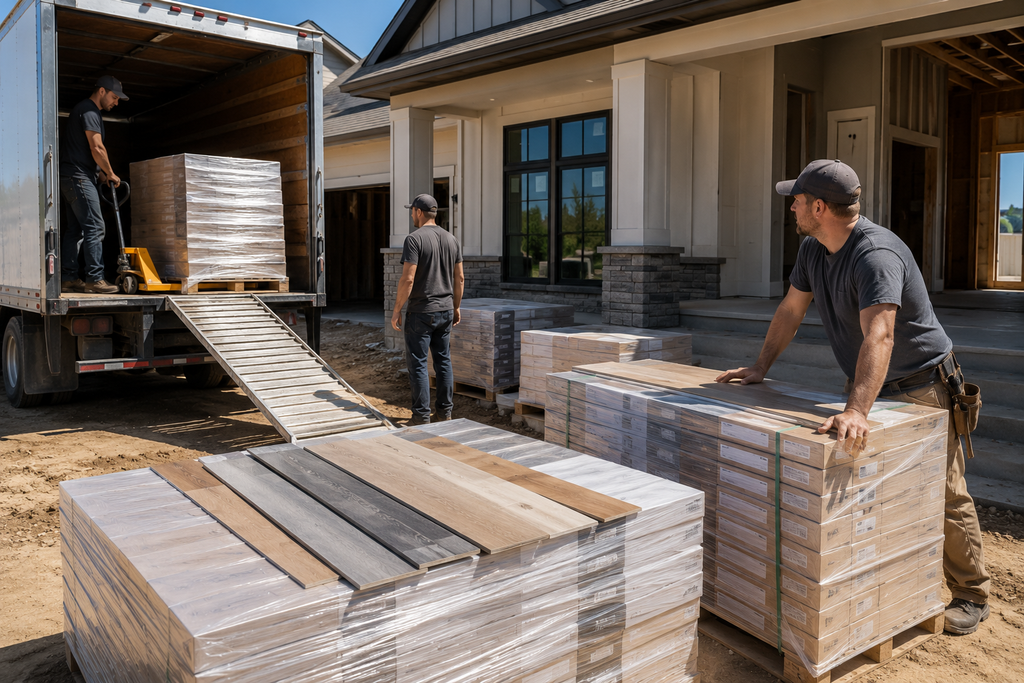
When homeowners, builders, or property managers compare flooring contractors, price is only part of the decision. Many projects are awarded to the contractor who can start sooner, finish on schedule, and avoid costly delays. That makes material delivery more than a logistics issue; it becomes a competitive advantage. For flooring professionals working throughout Greenville, SC, Atlanta, GA, Charlotte, NC, and communities along the I-85 corridor, reliable access to high-quality flooring can make the difference between landing a project and losing it to another contractor. The Flooring Supply helps flooring professionals simplify procurement by supplying LVP flooring, LVT flooring, engineered hardwood, wholesale flooring, and direct-to-jobsite shipping through its Pro Portal. Faster access to materials allows contractors to spend less time chasing inventory and more time completing profitable installations. Why Material Delays Cost Flooring Contractors More Than They Realize Every delayed shipment creates a chain reaction. If flooring arrives late, installers may need to reschedule crews, homeowners may become frustrated, builders may lose momentum, and additional trades may be pushed back. These delays often create expenses not included in the original estimate. Common hidden costs include: Construction researchers have consistently found that supply chain disruptions and material shortages are among the leading contributors to project delays and budget overruns across residential construction. Rather than focusing solely on installation efficiency, many successful contractors are now improving how they purchase and receive materials. Faster Delivery Helps You Win More Estimates When homeowners request multiple quotes, availability matters. Imagine two flooring contractors offering similar pricing: Most customers choose the contractor who offers confidence and certainty. Faster delivery allows contractors to: For restoration contractors, where emergency flooring replacement is common, quick access to LVP flooring or engineered hardwood can be especially valuable. Better Inventory Planning Means Better Cash Flow Keeping thousands of square feet of flooring in a warehouse ties up working capital. Instead of stocking every color and style, many contractors now rely on dependable wholesale suppliers that can deliver materials when projects are scheduled. This approach helps businesses: Supply chain research published in the Journal of Business Logistics has shown that efficient inventory management improves cash flow while reducing operational waste, particularly for construction-related businesses. Instead of tying up cash in inventory that may sit for months, contractors can invest in marketing, hiring installers, or expanding into new service areas. Direct Jobsite Shipping Saves Valuable Time Every extra stop between the supplier and the installation adds time. Picking up flooring from a warehouse may seem routine, but it often means: Direct-to-jobsite delivery removes these unnecessary steps. Instead of acting as a transportation company, flooring contractors can stay focused on installation and customer service. This becomes especially valuable for contractors working across Greenville, Atlanta, Charlotte, and other cities along Interstate I-85 where travel time alone can consume several hours each week. Reliable Suppliers Help Protect Your Reputation Customers rarely distinguish between a supplier problem and a contractor problem. If flooring arrives late, damaged, or incomplete, clients usually remember only that their contractor missed the promised timeline. Working with dependable suppliers reduces risks such as: A predictable supply chain allows contractors to communicate realistic schedules and consistently deliver on their promises. According to research from the Construction Industry Institute (CII), improved supply chain coordination significantly reduces project uncertainty and increases schedule reliability. Technology Is Making Flooring Procurement Easier The flooring industry has become increasingly digital. Instead of relying on phone calls, handwritten notes, or manual ordering, contractors now expect online purchasing systems that simplify procurement. Features such as: allow flooring professionals to spend less time managing materials and more time managing projects. Digital procurement also reduces ordering mistakes that often happen when multiple projects run simultaneously. Why Product Availability Matters Winning a flooring project often depends on offering the products customers actually want. Contractors who have access to a broad selection of: can respond to customer requests more quickly without searching multiple distributors. Having dependable access to popular flooring categories also helps contractors present themselves as trusted professionals rather than order takers. Building a More Efficient Flooring Business Growing a flooring company isn’t always about finding more customers. Sometimes it’s about removing the operational friction that limits growth. Ask yourself: Small operational improvements often produce meaningful long-term gains. Contractors who consistently grow their businesses usually make it easier to serve customers, not necessarily those who work longer hours. Simplify Material Delivery and Focus on Installing Floors Winning more flooring jobs isn’t only about competitive pricing or quality craftsmanship. It’s also about giving customers confidence that their project will stay on schedule. Reliable access to high-quality flooring, efficient ordering, and faster material delivery can help contractors reduce delays, improve cash flow, and complete more installations throughout Greenville, Atlanta, Charlotte, and beyond. Whether you’re installing LVP flooring, LVT flooring, or engineered hardwood, partnering with a dependable supplier makes every project easier to manage. If you’re looking for best value flooring, dependable wholesale flooring, and direct-to-jobsite delivery anywhere in the United States, visit The Flooring Supply at https://theflooringsupply.com/ to learn how their solutions can help your flooring business operate more efficiently.
Top Questions Contractors Ask When Sourcing Wholesale Flooring (Answered)

When you’re responsible for keeping flooring projects on schedule and within budget, choosing the right wholesale flooring supplier matters just as much as selecting the right product. Whether you’re installing luxury vinyl plank (LVP), luxury vinyl tile (LVT), or engineered hardwood, your supplier can directly affect project timelines, customer satisfaction, and profitability. At The Flooring Supply, contractors, home builders, restoration professionals, and homeowners gain access to high-quality flooring at competitive prices, with efficient ordering and nationwide drop shipping. Serving Greenville, SC; Atlanta, GA; Charlotte, NC; and communities throughout the I-85 corridor, the company also helps professionals streamline purchasing through its proprietary Pro Portal. Below are answers to some of the most common questions contractors ask when sourcing wholesale flooring. 1. How Do I Know I’m Getting Quality Wholesale Flooring? Wholesale pricing should never come at the expense of quality. Before purchasing flooring, verify: For engineered hardwood, examine the thickness of the hardwood veneer, plywood core construction, and finish quality. According to the North American Laminate Flooring Association (NALFA), products that meet recognized performance standards undergo testing for wear resistance, impact resistance, stain resistance, and dimensional stability. Choosing flooring that meets established industry standards helps reduce callbacks and warranty claims. 2. Is Wholesale Flooring Actually Less Expensive? Yes, but the biggest savings extend beyond the initial purchase price. Wholesale flooring often reduces: For contractors completing multiple projects annually, these efficiencies can significantly improve profit margins. Working with a supplier that offers direct shipping also eliminates unnecessary handling, allowing flooring to arrive closer to the job site when needed. 3. Which Flooring Products Offer the Best Value? The answer depends on the project. Luxury Vinyl Plank (LVP) LVP flooring is popular because it offers: The 2024 U.S. Houzz Kitchen Trends Study found that vinyl flooring remains one of the most commonly selected resilient flooring materials in remodeling projects due to its balance of appearance, durability, and affordability. Luxury Vinyl Tile (LVT) LVT works well for: Engineered Hardwood Engineered hardwood is often preferred when clients want: Selecting the right material depends on the customer’s priorities, not on choosing a single product for every application. 4. How Important Is Product Availability? Extremely important. Flooring delays frequently create scheduling problems that affect multiple trades. Ask suppliers: Reliable inventory management helps contractors avoid expensive project delays. 5. What Should I Look For Beyond Pricing? The lowest price doesn’t always provide the best overall value. Consider: The Flooring Supply’s Pro Portal helps professionals simplify purchasing and reduce the administrative work of ordering flooring for multiple projects. 6. Does Flooring Performance Really Matter That Much? Absolutely. The National Association of Home Builders (NAHB) consistently identifies flooring as one of the most visible interior finishes influencing homeowner satisfaction and long-term maintenance expectations. Durable flooring can reduce: High-quality flooring benefits both contractors and property owners throughout the life of the installation. 7. Can One Supplier Handle Different Project Types? Many contractors manage: Working with a supplier that offers LVP, LVT, and engineered hardwood makes purchasing more efficient and simplifies future repeat orders. Instead of coordinating with multiple distributors, contractors can source multiple flooring categories from a single reliable partner. 8. Should I Buy Locally or Use Nationwide Shipping? Both options have advantages. For contractors working in and around Greenville, Atlanta, Charlotte, and the I-85 corridor, local expertise offers valuable regional knowledge and faster communication. At the same time, nationwide drop shipping ensures contractors can receive products virtually anywhere in the United States without sacrificing convenience. This flexibility becomes especially valuable for contractors managing projects across multiple markets. 9. How Can Wholesale Flooring Help My Business Grow? Saving money on materials is only one benefit. Reliable sourcing also helps contractors: According to the Construction Industry Institute (CII), effective supply chain management improves project performance by reducing delays, increasing productivity, and lowering overall project costs. Efficient procurement becomes increasingly valuable as businesses take on more projects throughout the year. 10. What Questions Should I Ask Before Choosing a Flooring Supplier? Before committing to any supplier, ask: These questions help identify suppliers that support long-term business growth rather than simply offering competitive pricing. Why Contractors Choose The Flooring Supply Whether you’re installing LVP, LVT, or engineered hardwood, dependable sourcing helps keep projects moving while protecting your reputation. The Flooring Supply provides: By simplifying procurement and maintaining access to trusted flooring products, contractors can spend less time chasing materials and more time completing profitable projects. Partner With a Wholesale Flooring Supplier You Can Count On Successful flooring projects begin long before installation with dependable sourcing. Choosing a wholesale flooring supplier that combines quality products, reliable inventory, competitive pricing, and efficient delivery helps contractors stay on schedule while protecting their bottom line. Whether you’re searching for flooring in Greenville, Atlanta, or Charlotte, or need nationwide shipping, The Flooring Supply offers the products and support professionals need. Visit https://theflooringsupply.com/ to explore premium LVP flooring, LVT flooring, engineered hardwood, and contractor-focused solutions designed to simplify every project.
Wholesale Flooring Supplier Near Greenville, SC: What Sets Us Apart

If you’re searching for wholesale flooring near Greenville, SC, you’re probably comparing more than just price. You’re looking at availability, product quality, shipping reliability, and ease of doing business. At The Flooring Supply, we connect contractors, home builders, restoration professionals, and homeowners with high-quality flooring, including LVP, LVT, and engineered hardwood, at competitive wholesale rates. As we transition our home base from Atlanta to Greenville, we’re strengthening our presence along the I-85 corridor, serving Greenville, Atlanta, Charlotte, and everywhere in between. Here’s what truly sets us apart. A Strategic Hub Along I-85 Greenville, SC, is rapidly becoming a construction and renovation hotspot. Positioned between Atlanta, GA, and Charlotte, the I-85 corridor supports residential growth, commercial expansion, and steady remodeling activity. By anchoring operations in Greenville while maintaining strong ties to Atlanta and Charlotte, The Flooring Supply provides: For pros managing tight timelines, delivery consistency matters as much as product selection. Focused Product Lines That Deliver Value We specialize in the flooring categories that offer the strongest performance-to-cost ratio for both contractors and homeowners: 1. LVP Flooring (Luxury Vinyl Plank) LVP flooring has become one of the most widely specified products in residential and light commercial projects. Why? According to industry data from the Resilient Floor Covering Institute (RFCI), rigid core and vinyl plank products have seen consistent year-over-year growth due to durability and versatility in high-traffic spaces. For contractors, that translates into faster installs and fewer callbacks. For homeowners, it means long-term performance without constant refinishing. 2. LVT Flooring (Luxury Vinyl Tile) LVT flooring offers many of the same benefits as LVP but with tile-format aesthetics. It’s commonly used in kitchens, bathrooms, and commercial spaces where moisture resistance is essential. Compared to traditional ceramic tile, LVT: The result? A clean installation process and fewer post-installation maintenance concerns. 3. Engineered Hardwood For projects that call for authentic wood character, engineered hardwood provides a stable alternative to solid hardwood. Engineered construction with multiple layers of real wood veneer helps reduce expansion and contraction from humidity changes. This makes it suitable for climates such as South Carolina and Georgia, where seasonal moisture shifts can affect traditional wood floors. For builders working across the Southeast, stability matters. Wholesale Pricing Without Cutting Corners When contractors look for discount flooring, they’re not looking for low quality. They’re looking for margin. At The Flooring Supply, wholesale pricing is built around: We focus on best-value flooring, not inflated retail markups. That helps general contractors and flooring installers maintain profitability while delivering competitive bids to clients. The Pro Portal: Built for Contractors One of the biggest challenges in running a flooring business isn’t installation; it’s sourcing, tracking, and logistics. Our proprietary Pro Portal is designed to simplify that process. Through the portal, pros can: For contractors managing multiple jobs across Greenville, Atlanta, or Charlotte, streamlined procurement can mean finishing one more project per month. Over time, that directly impacts revenue. If you’re wondering how to make money installing flooring, part of the answer lies in operational efficiency, not just labor skills. Simplifying the Flooring Industry The flooring supply chain can be complicated. Retail markups, limited stock, inconsistent lead times, and unclear specifications create friction. Our model is built around simplicity: By narrowing our offerings to high-performing categories like LVP, LVT, and engineered hardwood, we help eliminate confusion and reduce costly mistakes. For new contractors entering the market, this clarity helps shorten the learning curve. The True Value of LVP: Return on Investment Flooring plays a significant role in home value and buyer perception. According to data from the National Association of Realtors (NAR) Remodeling Impact Report, refinishing or replacing flooring consistently ranks among projects with strong cost recovery and high homeowner satisfaction. LVP flooring, in particular, offers: For investors, flippers, and builders in Greenville and along I-85, that balance of cost and perceived value makes LVP one of the most practical flooring choices available today. Serving Pros and DIY Alike While much of our focus is on flooring professionals, we also serve homeowners who want: DIY customers benefit from the same sourcing network and product standards as contractors. Whether you’re installing flooring in a single-room renovation or supplying materials for a 20-home development, the goal is the same: dependable products at wholesale value. Why Greenville Is the Right Move Our relocation to Greenville isn’t just geographic; it reflects where growth is happening. Greenville sits at the intersection of: By strengthening our footprint in Greenville while continuing to serve Atlanta and Charlotte, we position ourselves closer to the professionals driving the Southeast’s growth. And with nationwide drop shipping, our reach extends far beyond the region. What Sets The Flooring Supply Apart When comparing wholesale flooring suppliers, here’s what makes the difference: We’re not trying to be everything. We focus on what performs well, sells well, and installs efficiently. That’s how authority is built in this industry through consistency and reliability. Partner With a Wholesale Flooring Supplier Built for Growth If you’re a contractor, builder, or restoration professional looking for wholesale flooring near Greenville, SC, or anywhere between Atlanta and Charlotte, The Flooring Supply is built to support your business. From LVP flooring and LVT flooring to engineered hardwood, we help you secure high-quality flooring at competitive wholesale pricing with logistics that keep your projects moving. Explore product options, learn more about our Pro Portal, and see how we can support your next project at: https://theflooringsupply.com/ When supply is simplified, projects move faster, and profits follow.
How to Price Flooring Jobs When Buying at Wholesale: A Breakdown for Contractors

Pricing flooring jobs correctly can determine whether a project generates steady profit or unexpected loss. For contractors working with wholesale flooring, the opportunity to increase margins is real but only if pricing is structured carefully. At The Flooring Supply, professionals across the U.S. source LVP, LVT, and engineered hardwood at competitive wholesale rates. With drop shipping available nationwide and operations transitioning from Atlanta to Greenville, contractors from Georgia to the Carolinas and beyond can access high-quality flooring without traditional retail markups. This guide breaks down how to price flooring jobs when purchasing at wholesale so you can remain competitive while protecting your bottom line. 1. Understand Your True Material Cost Wholesale pricing improves margins, but material cost is more than just the per-square-foot number on the invoice. When calculating cost, include: For example, if LVP flooring costs $2.25 per square foot wholesale and you install 1,000 square feet with a 7% waste factor, you are purchasing 1,070 square feet. That brings your material cost closer to $2,407.50 before accessories. The National Wood Flooring Association (NWFA) recommends including a waste allowance appropriate to the product type and installation pattern. Plank layouts with diagonal cuts or irregular spaces often require more than 5% overage. Accurate material calculations prevent underbidding. 2. Know Your Labor Benchmarks Labor varies by region and product type. Industry surveys show that installation labor for flooring typically ranges: Engineered hardwood requires more skill and time, particularly when moisture testing or subfloor prep is involved. According to the NWFA, subfloor moisture testing is essential before wood installation to prevent long-term failure. When pricing labor, include: Wholesale material savings should not lead to discounted labor rates. Labor represents skill and liability not just time. 3. Factor in Overhead and Business Costs Many contractors price jobs by adding material and labor, then adding a small percentage markup. This often leaves profit exposed. Your overhead may include: A common method is to calculate your annual overhead and divide it by projected billable hours or square footage installed. That gives you an overhead cost per unit. If your overhead equates to $0.75 per square foot and you omit it from pricing, your margins shrink quickly. Wholesale flooring helps improve margins but only if overhead is accounted for before profit is calculated. 4. Establish a Clear Markup Strategy When buying discount flooring at wholesale, your markup strategy determines profitability. There are two common approaches: Cost-Plus Pricing Add a percentage markup to the total cost (materials + labor + overhead). Example: Target Margin Pricing Set your desired gross margin first and calculate backward. If you want a 35% gross margin, your cost must represent 65% of the final selling price. Wholesale purchasing enables stronger margins without raising customer prices above market rates. 5. Understand Market Positioning Contractors in Atlanta, Greenville, or Charlotte operate in competitive markets. Customers often compare multiple bids. Rather than simply lowering prices, position your bid based on value: Luxury vinyl plank continues to grow in popularity. The Grand view research reports that resilient flooring categories, including LVP and LVT, have led industry growth over the past decade due to durability and water resistance. Consumers recognize value in products that combine performance with reasonable pricing. 6. Evaluate Return on Investment for Clients Helping clients understand ROI strengthens your bid. Research from Remodeling Magazine’s Cost vs. Value Report consistently shows that flooring replacements improve resale appeal and buyer perception. Luxury vinyl and engineered hardwood are particularly attractive because: When clients see flooring as an investment rather than a cost, price resistance decreases. Contractors sourcing wholesale flooring can offer strong value without compromising margins. 7. Protect Your Profit with Clear Contracts Even well-priced jobs can lose money without scope clarity. Include in your contract: Engineered hardwood installations, for example, may require acclimation periods. Failing to account for this can delay schedules and affect profitability. Clear documentation protects both contractor and homeowner. Example Pricing Breakdown (Simplified) 1,000 sq ft LVP Installation: Total Cost: $6,307.50 If targeting a 25% profit margin: This structure protects profit while remaining competitive compared to retail-based pricing models. Why Wholesale Flooring Strengthens Contractor Margins Retail markups often range from 30–50% before a contractor even adds labor. Sourcing directly from a supplier like The Flooring Supply reduces that initial markup, creating flexibility. Advantages include: Whether you operate in Atlanta, Greenville, Charlotte, or elsewhere, wholesale access supports sustainable pricing models. Price with Strategy, Not Guesswork Pricing flooring jobs correctly requires more than comparing competitor bids. It requires understanding material costs, labor benchmarks, overhead, and profit goals. Wholesale flooring improves your position but only if pricing is structured thoughtfully. If you are looking for the best value flooring that allows you to protect margins while delivering strong results, explore options at The Flooring Supply. Visit https://theflooringsupply.com/ to access high-quality flooring shipped nationwide and simplify the way you price your next job. Smart sourcing leads to smarter profits.
Best Luxury Vinyl Plank Flooring for High-Traffic Rental Properties

When you manage rental properties, flooring is not just a design choice. It is a financial decision. Every turnover, repair, and warranty call impacts your bottom line. Choosing the best luxury vinyl plank flooring for high-traffic rental properties can reduce maintenance costs, increase tenant satisfaction, and protect your investment long term. At The Flooring Supply, professionals and homeowners alike turn to high-quality flooring options that balance durability with value. Whether you are renovating single-family rentals in Greenville, upgrading multi-units in Atlanta, or managing properties across the USA, selecting the right LVP flooring is essential to controlling costs and maximizing return. This guide breaks down what to look for in LVP flooring for rentals, supported by research, industry standards, and practical contractor insight. Why LVP Flooring Dominates Rental Properties Luxury Vinyl Plank (LVP) flooring has become one of the most widely specified flooring materials in the United States. According to industry data from the Resilient Floor Covering Institute (RFCI) and reports from Floor Covering Weekly, resilient flooring, including LVP flooring, has been one of the fastest-growing categories in the flooring industry over the past decade. Its popularity is driven by durability, water resistance, and ease of installation. For rental properties, these benefits directly translate to operational advantages: Compared to engineered hardwood, LVP flooring typically requires less maintenance and offers better moisture performance, making it particularly well-suited for high-turnover rental environments. What Makes LVP Flooring Ideal for High-Traffic Rentals? High-traffic rental properties face unique stressors: The best luxury vinyl plank flooring for these conditions includes several key performance characteristics. 1. Wear Layer Thickness The wear layer is one of the most critical factors. For rental properties, professionals typically recommend: A thicker wear layer improves scratch resistance and long-term durability. According to ASTM testing standards used across the flooring industry, thicker wear layers provide greater resistance to abrasion and surface damage. For landlords and contractors focused on best value flooring, investing slightly more upfront in a stronger wear layer often reduces long-term replacement costs. 2. Core Construction and Stability Modern LVP flooring often uses rigid core technologies such as: SPC cores are especially popular in rental properties because they offer: For properties in humid climates like Atlanta, or in variable-seasonal environments in Greenville and Charlotte, rigid-core LVP flooring reduces expansion and contraction issues. 3. Waterproof Performance Moisture damage is one of the leading causes of flooring replacement in rental units. According to insurance industry data, water damage accounts for a significant percentage of property claims in residential buildings. LVP flooring offers waterproof surface protection when properly installed, making it ideal for: While engineered hardwood may offer aesthetic appeal, it is generally more vulnerable to moisture. For rental property managers seeking low-maintenance solutions, LVP flooring provides practical protection. 4. Ease of Installation and Replacement Time is money in rental properties. Every day a unit sits vacant impacts revenue. Click-lock LVP flooring systems allow for: For contractors looking to improve margins, faster install times increase job efficiency. For landlords, this reduces downtime between tenants. This is one reason wholesale flooring buyers continue to shift toward high-quality LVP flooring systems. ROI: The True Value of LVP Flooring in Rentals The return on investment for flooring in rental properties is not just about resale value. It is about: Research Insight According to the National Association of Realtors Remodeling Impact Report, new flooring consistently ranks among the most valuable interior upgrades in terms of appeal and return. While carpet often needs replacement every 3 to 7 years in rentals, LVP flooring can last significantly longer under proper conditions. When calculated across multiple tenant cycles, durable LVP flooring often lowers total lifecycle costs compared to carpet or lower-grade materials. For contractors running flooring businesses, positioning high-quality flooring as a long-term investment rather than a short-term expense builds client trust and repeat work. How to Choose the Best LVP Flooring for Rental Units Here is a professional checklist for selecting LVP flooring in high-traffic rental properties: Step 1: Match Wear Layer to Traffic Level Step 2: Choose Neutral, Market-Friendly Styles Neutral wood-look planks remain the most versatile choice. Studies on housing trends consistently show that neutral finishes appeal to a broader range of tenants and support faster leasing. Avoid overly trendy finishes that may reduce appeal in future tenant cycles. Step 3: Evaluate Locking System Quality A secure locking system reduces callbacks and warranty issues. Contractors should test sample boards before committing to bulk orders. Step 4: Consider Underlayment Integration Some LVP flooring products include attached underlayment, which: This can be particularly important in apartment properties where sound transmission is a concern. Comparing LVP Flooring to LVT Flooring and Engineered Hardwood While this article focuses on LVP flooring, rental property managers may also evaluate: LVT Flooring Luxury Vinyl Tile (LVT flooring) offers similar durability but is typically used for tile-look designs. Performance characteristics are comparable to LVP flooring when the wear layer and core construction are equal. Engineered Hardwood Engineered hardwood provides natural wood aesthetics, but: For luxury rentals, engineered hardwood may be appropriate. However, for high-turnover or budget-sensitive properties, LVP flooring often delivers better value. How Contractors Can Increase Profit with LVP Flooring For flooring professionals in Greenville, Atlanta, Charlotte, and across the USA, rental property renovations offer repeatable business opportunities. To increase margins: Contractors who position themselves as flooring advisors rather than installers often build stronger long-term relationships. Industry Innovation: Where LVP Flooring Is Headed Recent innovations in LVP flooring include: The flooring industry continues to refine performance standards, making modern LVP flooring more durable than earlier generations. For rental property owners, staying up to date on product improvements can enhance long-term asset performance. Why High Quality Flooring Matters in Rental Branding Flooring is one of the first features tenants notice during showings. Even in value-focused rentals, clean and durable flooring improves perceived property quality. In competitive rental markets like Greenville and Atlanta, modern LVP flooring can: This reinforces the idea that choosing the best value flooring is not about buying the cheapest product. It is about
The ROI of Offering Luxury Vinyl Plank to Clients

If you install flooring for a living or manage renovation budgets, one question matters more than most: Does this product deliver measurable return on investment? Luxury Vinyl Plank (LVP) has become one of the fastest-growing segments in the flooring industry. For contractors, builders, and homeowners, it offers a balance of performance, cost control, and resale value that directly impacts ROI. At The Flooring Supply, professionals across Greenville, Atlanta, Charlotte, and nationwide rely on high-quality flooring options like LVP Flooring and LVT Flooring to meet performance standards while protecting margins. This guide breaks down the real return on investment of offering luxury vinyl plank to clients, supported by industry research and practical insights for flooring professionals. Why ROI Matters in Flooring Decisions Flooring is not a decorative afterthought. It influences: According to the 2023 remodeling impact report by the National Association of Realtors (NAR), flooring refinishing and replacement projects consistently rank among the top interior upgrades for return on investment. While hardwood refinishing sees strong returns, replacing worn floors with durable, low-maintenance alternatives also significantly increases buyer appeal. For contractors and builders, ROI is not only about resale value. It includes: Luxury vinyl plank addresses each of these factors in measurable ways. Material Cost vs. Performance Value One of the primary drivers of ROI with LVP Flooring is its balance between cost and durability. 1. Competitive Material Pricing Compared to solid hardwood or premium engineered hardwood, LVP typically carries a lower material cost per square foot. When sourced through wholesale flooring suppliers like The Flooring Supply, contractors can secure discount flooring pricing that protects profit margins while delivering high-quality flooring to clients. This creates two advantages: 2. Durability Backed by Testing Standards Luxury vinyl plank products are tested under industry standards such as ASTM (American Society for Testing and Materials) performance ratings for wear resistance and impact strength. Research published by the Resilient Floor Covering Institute (RFCI) highlights that modern LVP products feature multi-layer construction, including wear layers engineered to resist abrasion and indentation. For contractors, this means fewer callbacks due to surface damage. Durability directly affects ROI by reducing: Installation Efficiency and Labor Profitability Time is money on a jobsite. LVP Flooring improves installation efficiency compared to many traditional flooring materials. Faster Installation Times Click-lock systems and floating floor designs reduce: For contractors, quicker installations mean: According to data from Home Innovation Research Labs, simplified flooring systems that reduce installation time can lower total installed cost by 10–20 percent compared to traditional hardwood installations. That time savings translates directly into improved ROI for flooring professionals. Moisture Resistance and Reduced Risk One of the biggest financial risks in flooring projects is moisture failure. Hardwood and some engineered hardwood products can expand, cup, or warp when exposed to moisture. In contrast, many LVP Flooring options are water-resistant or fully waterproof. This matters for: By offering LVP, contractors reduce: In restoration and multifamily work, especially, moisture-resistant materials significantly reduce long-term liability. Appeal to Modern Homebuyers Return on investment is also influenced by market demand. According to Statista’s U.S. Flooring Market Data, resilient flooring categories, including LVP and LVT Flooring, have experienced consistent growth over the past decade, surpassing traditional materials in many residential applications. Why? Buyers increasingly prioritize practicality. Homes marketed with updated, low-maintenance flooring often attract stronger buyer interest than homes with outdated carpet or worn hardwood. For builders in markets like Greenville, Atlanta, and Charlotte, offering LVP aligns with regional demand trends in growing housing markets. Maintenance and Lifecycle Cost Analysis True ROI includes the total cost of ownership. Hardwood flooring may require: Luxury vinyl plank generally requires: A study by the Building Owners and Managers Association (BOMA) on the lifecycle cost analysis of flooring materials found that resilient flooring often delivers lower long-term maintenance costs than traditional hardwood in high-traffic settings. Profit Margins for Flooring Contractors Offering LVP Flooring can improve profitability in three practical ways: 1. Strong Supply Chain Flexibility Wholesale flooring distribution allows contractors to maintain a consistent supply without excessive inventory overhead. The Flooring Supply supports professionals by offering nationwide drop shipping, helping contractors reduce storage costs while maintaining access to high-quality flooring. 2. Fewer Skilled Labor Barriers Hardwood installation requires specialized training and experience. LVP systems are generally more forgiving and easier for trained crews to access. This expands labor flexibility and reduces dependency on niche installers. 3. Higher Project Volume Because LVP is cost-effective and widely appealing, contractors often see: When installation efficiency improves and sales volume increases, overall business ROI improves. LVP vs. Engineered Hardwood: ROI Considerations Engineered Hardwood remains a strong product category, particularly for high-end residential builds. However, when evaluating ROI: Factor LVP Flooring Engineered Hardwood Moisture Resistance High Moderate Installation Speed Fast Moderate Maintenance Low Moderate Initial Cost Lower Higher Refinishing Potential No Limited For investment properties, rental units, and mid-range builds, LVP frequently delivers stronger financial efficiency. For premium custom homes, engineered hardwood may align with buyer expectations. A balanced offering allows contractors to position themselves as advisors rather than product pushers. Market Growth and Industry Trends The flooring industry continues to evolve. Reports from Grand View Research indicate that the global luxury vinyl flooring market is projected to grow steadily through the next decade due to demand for cost-effective, durable alternatives to hardwood. This growth trend signals: For flooring businesses, aligning with growth categories reduces risk and improves long-term viability. Offering LVP is not just about short-term margin; it is about staying aligned with where the industry is heading. How Contractors Can Maximize ROI with LVP To fully capitalize on the return potential of LVP Flooring: 1. Source Strategically Partner with suppliers that provide: 2. Educate Clients Explain: Clients who understand value are less likely to question price. 3. Bundle Services Offer: Bundling increases ticket size while enhancing project durability. 4. Target Growing Markets Rapidly expanding regions like Greenville and Charlotte present strong demand for affordable, durable flooring options in new construction and remodeling. Positioning as a trusted resource for Best Value Flooring strengthens authority. Simplifying the Flooring
Why Builders Along I-85 Prefer Drop-Ship Flooring Services
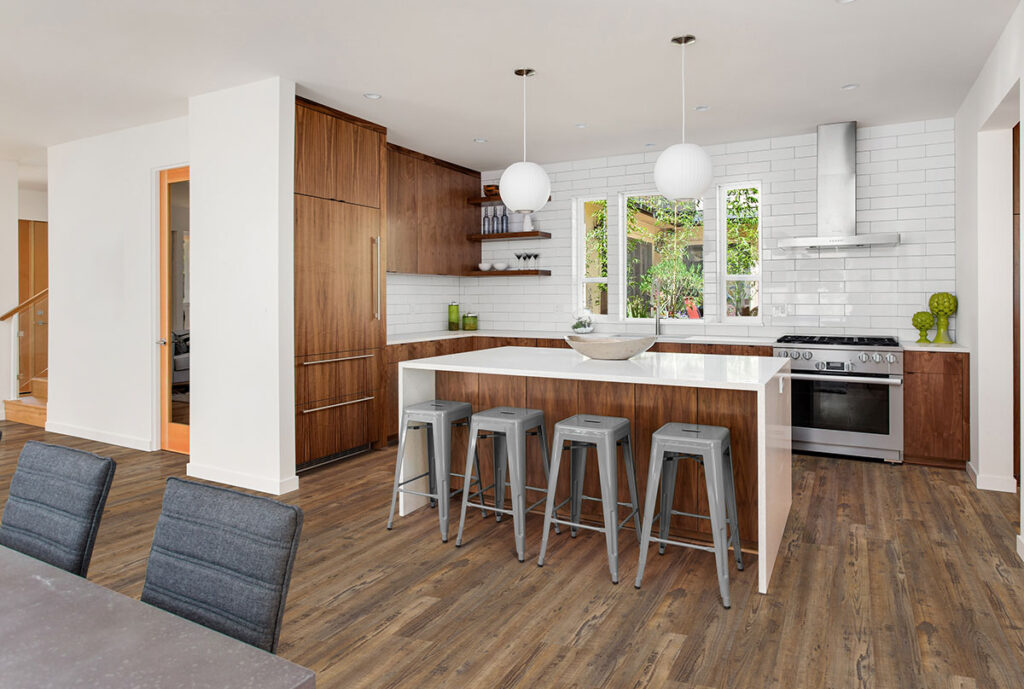
Homebuilders and contractors along the I-85 corridor from Charlotte to Atlanta to Greenville face a familiar challenge: tight timelines, rising material costs, and jobsite coordination headaches. Flooring delays? Non-starters. That’s why many are switching to drop-ship flooring services from companies like The Flooring Supply, which offer direct-to-site delivery of high-quality flooring at wholesale prices, without the usual supply chain drama. Let’s explore why this model is changing the game for flooring pros and how you can take advantage, whether you’re based in bustling Atlanta or developing in growing Greenville. What Is Drop-Ship Flooring? Drop-shipping in the flooring industry refers to the direct shipment of materials such as LVP, LVT, or engineered hardwood from the supplierto the job site, bypassing distributor warehouses or retail stores. Key Benefits It’s not just an eCommerce convenience, it’s a logistical advantage for on-the-ground builders. Why It Works Along the I-85 Corridor The I-85 corridor through Georgia, South Carolina, and North Carolina is a hub of new construction, renovation, and restoration. Here’s why drop-ship makes even more sense in this region: 1. Construction Boom in Secondary Cities Cities like Greenville, Spartanburg, and Gastonia are seeing rapid residential development, but local supply houses often can’t match the selection or pricing of national distributors. Drop-shipping bridges the gap. 2. Traffic and Travel Time Navigating I-85 traffic to pick up flooring in person is a productivity killer. With drop-ship, your materials arrive at the jobsite, not ata warehouse 45 minutes away. 3. Labor Constraints Builders don’t want to assign a crew member to do materials runs. Every saved labor hour can now be spent installing flooring, not fetching it. What Types of Flooring Are Builders Ordering? Contractors working along I-85 favor materials that combine durability, ease of installation, and return on investment. These three categories dominate drop-ship orders: 1. LVP Flooring (Luxury Vinyl Plank) 2. LVT Flooring (Luxury Vinyl Tile) 3. Engineered Hardwood When ordered in bulk via The Flooring Supply’s Pro Portal, these options arrive ready to install no delays, no backorders, and no unnecessary markups. The Role of The Flooring Supply’s Pro Portal For contractors along I-85, The Flooring Supply isn’t just a supplier, it’s a jobsite partner. The company’s Pro Portal makes it simple to: Real-World Scenario You’re building five homes outside Greenville, and each uses a different LVP style. Instead of driving to a warehouse three times a week, you use the Pro Portal to drop-ship all five styles directly to each property, timed to coincide with flooring installation. How Drop-Shipping Puts Money Back in Your Pocket Drop-shipping isn’t just about convenience; it’s about margins. Here’s How It Saves You Money Whether you’re a general contractor or a one-man flooring crew, those savings stack up across multiple builds per month. Greenville, Atlanta, Charlotte: Market Snapshots Greenville, SC As The Flooring Supply relocates its HQ here, local builders gain even faster access to discounted flooring. The city’s explosion in mid-range and upscale new construction makes it a prime candidate for engineered hardwood and LVP with real-wood visuals. Atlanta, GA For metro remodels and flip projects, Atlanta builders prefer drop-ship LVP for its quick installation and strong return on investment (ROI) in resale value. Charlotte, NC With a growing number of young homeowners and custom builds, Charlotte-area pros order mid-grade to premium flooring in volume, often using The Flooring Supply’s drop-ship model to stage installs across multiple properties. How to Maximize Drop-Ship Success as a Builder Even with the right partner, your efficiency depends on a few key best practices: Measure Twice, Order Once Use The Flooring Supply’s coverage calculator to avoid over- or under-ordering. Returns are possible, but better planning saves time. Schedule Delivery to Match Install Timeline Don’t have materials show up before the jobsite is ready. The Pro Portal lets you schedule deliveries for the exact day you need them. Use the Same SKUs Across Projects Standardizing your flooring stock-keeping unit (SKU) keeps things simple for your crews and your clients. Order Samples for Clients Yes, even if it’s a drop-ship setup, you can request samples from The Flooring Supply to help clients make faster decisions. Drop-Ship vs. Traditional Supply: A Quick Comparison Feature Traditional Retail Pickup The Flooring Supply Drop-Ship Inventory Scope Limited to store stock Access to the national inventory Delivery Usually self-pickup Delivered to the jobsite Pricing Retail markup Discount flooring pricing Time Spent 2–3 hours per pickup 0 hours arrive where you need it Best for DIYers or one-off needs Pros with ongoing jobs The Future Is Drop-Ship As construction accelerates along I-85, builders can’t afford outdated supply models. Drop-shipping is no longer a “nice to have” it’s the smartest way to run a flooring business. The Flooring Supply is helping pros streamline the process, cut costs, and deliver top-tier flooring without the back-and-forth. Take the Next Step Ready to Skip the Supply House? If you’re a contractor, builder, or home improvement pro in Greenville, Atlanta, Charlotte, or anywhere along I-85, The Flooring Supply is your plug for high-quality flooring at discount prices delivered directly to the job site. Start simplifying your flooring workflow now at theflooringsupply.com
How Flooring Supply Chains Are Evolving in 2026

Flooring looks simple from the outside: pick a color, choose a wear layer, schedule install, done. But in 2026, the real difference between a smooth project and a painful one often comes down to the product’s supply chain: where it’s made, how it’s shipped, how quickly it can be replenished, and how confidently a supplier can document what’s inside the box. For flooring pros (general contractors, home builders, restoration teams) and homeowners alike, the rules have changed. Freight remains volatile, trade policy is a moving target, and compliance expectations are higher, especially for products that contain polyvinyl chloride (PVC), a core input for many vinyl flooring lines. The upside is that supply chains are becoming more efficient. The best operators are building redundancy, investing in better inventory visibility, and offering more direct-to-jobsite delivery models. If you work anywhere along the I-85 corridor, Greenville, SC, to Atlanta, GA, or to Charlotte (NC), or you source nationwide, understanding these shifts helps you protect your schedules and your margins. The 2026 Reality: Floor Supply Chains Are Being Redesigned, Not “Fixed” It’s tempting to characterize supply chains as either “broken” or “back to normal.” In 2026, a more accurate view is that supply chains are being redesigned around risk. Freight Volatility Is The New Baseline Global shipping has been dealing with reroutes, capacity changes, and unpredictable rate swings. Several industry trackers and logistics providers describe this as a “new normal” of volatility across 2025–2026. For flooring, this matters because heavy, bulky products increase freight costs, and delays hit installers first. Compliance And Documentation Expectations Are Rising U.S. Customs and Border Protection (CBP) guidance on UFLPA enforcement is straightforward: importers need organized documentation that maps the supply chain and supports admissibility. Notably for the flooring industry, DHS has identified PVC (used heavily in vinyl flooring) as a “high priority sector” under UFLPA enforcement, which could increase scrutiny and the need for stronger documentation. Tariffs And Trade Policy Add Cost Uncertainty Tariffs and trade actions don’t just affect “big manufacturers.” They flow down into material pricing, contractor bids, and homeowner budgets, especially for imported building materials. 5 Ways Flooring Supply Chains Are Evolving In 2026 1. Multi-Sourcing Beats Single-Sourcing In past years, many distributors and contractors relied on a small set of dependable mills or import channels. In 2026, the more innovative approach is multi-sourcing, such as carrying comparable LVP Flooring and LVT Flooring options from different production regions, so a disruption doesn’t stop the job. For pros, this shows up as: 2. Inventory Visibility Is Becoming A Competitive Advantage When you’re running multiple jobs, “we’ll check and get back to you” is no longer good enough. Better suppliers are investing in systems that provide: This is where a dedicated pro workflow (like a Pro Portal) matters, including fewer calls, fewer surprises, and less time spent chasing updates. In 2026, efficiency is the margin. 3. Delivery Models Are Shifting Toward Jobsite-Direct The growth of drop-ship and jobsite delivery isn’t just about convenience; it’s a response to labour and schedule pressure. If you’re a GC or restoration pro, jobsite-direct delivery can reduce: It also supports distributed crews across a region, which is helpful if you’re doing projects in Greenville, Atlanta, and Charlotte in the same month. 4. “Proof” Is Becoming Part Of The Product Customers, primarily commercial buyers and higher-end homeowners, are asking more questions: That’s not paranoia; it’s the market reacting to enforcement reality. CBP expects a well-organised evidence package when goods are detained under UFLPA, and DHS has signalled PVC as an enforcement priority sector. For the flooring industry, this pushes suppliers to tighten the chain-of-custody documentation and vet upstream inputs more carefully. 5. Demand Is Uneven, So Supply Chains Are Becoming More Flexible Flooring demand doesn’t move in a straight line. Industry coverage in 2026 still points to mixed activity across categories, with resilient surfaces remaining important even in choppy conditions. The practical outcome: distributors and suppliers are developing more flexible replenishment strategies that maintain appropriate depth in fast-moving SKUs while remaining responsive to style-driven lines. What This Means For LVP, LVT, and Engineered Hardwood in 2026 LVP Flooring and LVT Flooring: Fast-Moving, But Higher Scrutiny Luxury vinyl remains a go-to for its value, durability, and installation speed. But because vinyl is linked to PVC inputs, suppliers are placing greater emphasis on documentation, traceability, and consistent sourcing programs. Pro Takeaway Treat “availability” as more than “in stock today.” Ask: Engineered Hardwood: Lead Times And Specs Matter More Engineered hardwood has its own supply considerations: species sourcing, plywood core consistency, finishing capacity, and moisture/temperature handling in transit. In 2026, the winning strategy is tighter specification discipline (so you aren’t re-approving materials mid-project) and earlier procurement on longer-lead items. Homeowner Takeaway If you want engineered hardwood for a deadline, don’t wait until demo week to finalise. Your installer can’t install what isn’t on-site. A Practical 2026 Sourcing Playbook For Flooring Pros If your goal is Best Value Flooring without schedule pain, here’s a grounded way to operate in 2026. Build A “Two-Option” Spec From Day One For every job, set up: This reduces the time you spend renegotiating with the homeowner or designer when a product gets tight. Treat Lead Time Like A Cost (Because It Is) When freight is volatile, time becomes a real expense: idle crews, reschedules, storage fees, and customer frustration. Global shipping volatility across 2024–2026 has made timing less predictable, even when rates soften. Add buffer for any product not in local/regional stock. Ask Better Questions Before You Buy Keep it simple. You don’t need a 40-question checklist, just the ones that prevent disasters: Protect Your Margin With Fewer Touches Every extra handling step costs you time (and often damage). Prioritise suppliers who can ship where you work, whether that’s the I-85 corridor or across the U.S. This is also where Wholesale flooring and Discount Flooring sourcing can be done responsibly: the goal isn’t “cheap,” it’s high-quality flooring at a predictable delivered cost. Why The I-85 Corridor Matters (And Why Location
How to Make More Profit on Flooring Jobs with Wholesale Ordering

If you’re a contractor, builder, or restoration pro working in Greenville, Atlanta, Charlotte, or anywhere along I-85, your flooring budget might be working against you. Even small inefficiencies, such as relying on local big-box retailers, dealing with out-of-stock delays, or not buying at accurate wholesale prices, can erode your profits. This guide will show you how to turn that around. By strategically ordering wholesale flooring through platforms like The Flooring Supply’s Pro Portal, you can lower material costs, reduce downtime, and streamline logistics. And when you combine lower costs with faster delivery, you don’t just save, you make more. Let’s break it down. The High Cost of Traditional Flooring Sourcing Most flooring professionals still get materials from local distributors or retail chains. While convenient, this method has hidden costs: Retail Markups Even “contractor pricing” often includes 30–50% markups. Limited Inventory Popular luxury vinyl plank (LVP) and engineered hardwood products go out of stock, causing delays. Multiple Trips If you’re sourcing from multiple stores or warehouses, that’s time lost on the job site. No Shipping Options You’re responsible for transporting the product. Each of these can directly reduce your margins or delay your payment cycle. In high-volume regions like Greenville or Charlotte, time is money, and supply chain hiccups hit your bottom line hard. What Is Wholesale Flooring (and Why It’s Different Here) “Wholesale flooring” means buying directly from suppliers at bulk pricing, but it doesn’t always mean better quality or service. True wholesale success requires a partner who can: The Flooring Supply offers exactly that, with a difference. Our Pro Portal is designed specifically for flooring contractors, general contractors, home builders, and restoration crews. It’s not just about pricing; it’s about predictability, speed, and ease. The Profit Equation: Wholesale Flooring by the Numbers Let’s look at how profit increases with wholesale buying. Case Example: LVP Flooring Job in Greenville, SC Item Big Box Retail Wholesale via The Flooring Supply LVP Material Cost (1,000 sq ft) $3.29/sq ft $2.29/sq ft Total Cost $3,290 $2,290 Delivery Cost Varies / Self-pickup Included (drop-shipped) Time to Job Site 2–4 Days 1–2 Days Savings , $1,000 If you do 3–5 jobs per month, you’re looking at $3,000–$5,000 in added margin, without changing your rates or adding hours. Key Benefits of Ordering Flooring Wholesale via Pro Portal 1. Better Margins Lower material costs directly improve your per-job profitability. Whether it’s a kitchen remodel or whole-house restoration, savings on LVP or engineered hardwood add up. 2. Faster Job Turnaround Get materials shipped directly to your job site. That means no store pickups, fewer supply chain issues, and faster install times. 3. Less Inventory Waste Order exactly what you need, when you need it. No need to overbuy “just in case” or wait weeks for stock replenishment. 4. Dedicated Support The Flooring Supply works with pros. If there’s a delay, substitution, or question, you’re not calling a call center. You’re talking to a flooring expert. 5. Track Orders and Costs in One Place With the Pro Portal, you can manage multiple job sites, billing, and order histories in a single dashboard, helping you stay organized without a spreadsheet jungle. What Flooring Products Work Best for Wholesale Ordering? Whether you’re in Charlotte or Atlanta, here’s what flooring professionals are ordering in bulk to boost profits: Luxury Vinyl Plank (LVP) Luxury Vinyl Tile (LVT) Engineered Hardwood All options are available with fast shipping and bulk pricing through The Flooring Supply’s Pro Portal. Local Pros, Why Location Still Matters (Even with Drop-Shipping) The Flooring Supply is now based in Greenville, SC, with strong service roots in Atlanta, GA, and Charlotte, SC. That means faster fulfillment and more brilliant service for pros working in: Upstate South Carolina Think Spartanburg, Anderson, and Greenville County Metro Atlanta High demand means high competition; wholesale ordering is your edge Charlotte to Gastonia Corridor Engineered hardwood and LVP are in demand with homebuyers and renovators alike. If you’re working anywhere along Interstate 85, The Flooring Supply is uniquely positioned to support your jobs with fast, affordable shipping, no matter the state. And for projects outside the region? We drop-ship nationwide. Smart Tips to Maximize Your Profits with Wholesale Orders Here are four pro strategies to lock in even more profit: 1. Batch Your Orders Group projects and order materials together to reduce shipping costs and unlock larger volume discounts. 2. Use the Pro Portal Manage multiple orders, get job-based pricing, and view your entire order history in one place. It’s not just easier; it reduces admin time. 3. Standardize Material Choices Use the duplicate flooring SKUs across multiple jobs (especially rentals and spec homes) to simplify ordering, improve installation speed, and secure better pricing. 4. Offer Clients “Upgrades” at a Margin Order the base material at wholesale, then offer premium options at a markup. You stay competitive while growing your bottom line. Let Wholesale Ordering Do the Heavy Lifting Profit in the flooring business doesn’t just come from labor; it comes from how smartly you source your materials. Whether you’re doing high-end engineered hardwood in Charlotte or flipping rentals in Greenville with LVP flooring, wholesale ordering from The Flooring Supply helps you save time, reduce cost, and grow your margins. With high-quality flooring, fast shipping, and tools designed just for contractors, you get more than just product; you get a partner.Ready to make more profit on your next flooring job? Sign up for the Pro Portal at The Flooring Supply and get the best value flooring delivered to your job site, fast.