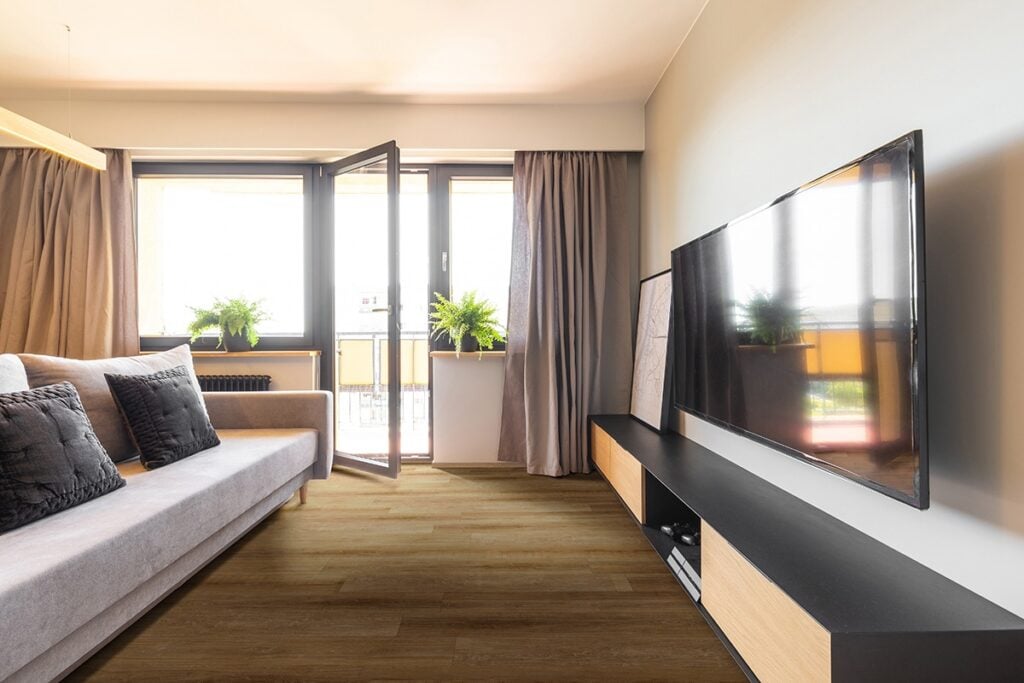
When you manage rental properties, flooring is not just a design choice. It is a financial decision. Every turnover, repair, and warranty call impacts your bottom line. Choosing the best luxury vinyl plank flooring for high-traffic rental properties can reduce maintenance costs, increase tenant satisfaction, and protect your investment long term.
At The Flooring Supply, professionals and homeowners alike turn to high-quality flooring options that balance durability with value. Whether you are renovating single-family rentals in Greenville, upgrading multi-units in Atlanta, or managing properties across the USA, selecting the right LVP flooring is essential to controlling costs and maximizing return.
This guide breaks down what to look for in LVP flooring for rentals, supported by research, industry standards, and practical contractor insight.
Why LVP Flooring Dominates Rental Properties
Luxury Vinyl Plank (LVP) flooring has become one of the most widely specified flooring materials in the United States. According to industry data from the Resilient Floor Covering Institute (RFCI) and reports from Floor Covering Weekly, resilient flooring, including LVP flooring, has been one of the fastest-growing categories in the flooring industry over the past decade. Its popularity is driven by durability, water resistance, and ease of installation.
For rental properties, these benefits directly translate to operational advantages:
- Resistance to scratches and dents
- Water resistance in kitchens, bathrooms, and entryways
- Lower replacement frequency compared to carpet
- Easy plank-by-plank repairs
- Faster installation turnaround
Compared to engineered hardwood, LVP flooring typically requires less maintenance and offers better moisture performance, making it particularly well-suited for high-turnover rental environments.
What Makes LVP Flooring Ideal for High-Traffic Rentals?
High-traffic rental properties face unique stressors:
- Frequent tenant turnover
- Moving furniture and appliances
- Pets and children
- Heavy foot traffic
- Moisture exposure
The best luxury vinyl plank flooring for these conditions includes several key performance characteristics.
1. Wear Layer Thickness
The wear layer is one of the most critical factors. For rental properties, professionals typically recommend:
- 12 mil minimum for standard rentals
- 20 mil or higher for heavy-traffic or multi-family units
A thicker wear layer improves scratch resistance and long-term durability. According to ASTM testing standards used across the flooring industry, thicker wear layers provide greater resistance to abrasion and surface damage.
For landlords and contractors focused on best value flooring, investing slightly more upfront in a stronger wear layer often reduces long-term replacement costs.
2. Core Construction and Stability
Modern LVP flooring often uses rigid core technologies such as:
- SPC (Stone Plastic Composite)
- WPC (Wood Plastic Composite)
SPC cores are especially popular in rental properties because they offer:
- Higher dent resistance
- Better dimensional stability
- Improved performance over uneven subfloors
For properties in humid climates like Atlanta, or in variable-seasonal environments in Greenville and Charlotte, rigid-core LVP flooring reduces expansion and contraction issues.
3. Waterproof Performance
Moisture damage is one of the leading causes of flooring replacement in rental units. According to insurance industry data, water damage accounts for a significant percentage of property claims in residential buildings.
LVP flooring offers waterproof surface protection when properly installed, making it ideal for:
- Kitchens
- Bathrooms
- Laundry rooms
- Basement units
While engineered hardwood may offer aesthetic appeal, it is generally more vulnerable to moisture. For rental property managers seeking low-maintenance solutions, LVP flooring provides practical protection.
4. Ease of Installation and Replacement
Time is money in rental properties. Every day a unit sits vacant impacts revenue.
Click-lock LVP flooring systems allow for:
- Faster installation compared to glue-down systems
- Minimal acclimation requirements
- Easier plank replacement during spot repairs
For contractors looking to improve margins, faster install times increase job efficiency. For landlords, this reduces downtime between tenants.
This is one reason wholesale flooring buyers continue to shift toward high-quality LVP flooring systems.
ROI: The True Value of LVP Flooring in Rentals
The return on investment for flooring in rental properties is not just about resale value. It is about:
- Reduced maintenance
- Lower turnover costs
- Increased tenant satisfaction
- Fewer emergency repairs
Research Insight
According to the National Association of Realtors Remodeling Impact Report, new flooring consistently ranks among the most valuable interior upgrades in terms of appeal and return. While carpet often needs replacement every 3 to 7 years in rentals, LVP flooring can last significantly longer under proper conditions.
When calculated across multiple tenant cycles, durable LVP flooring often lowers total lifecycle costs compared to carpet or lower-grade materials.
For contractors running flooring businesses, positioning high-quality flooring as a long-term investment rather than a short-term expense builds client trust and repeat work.
How to Choose the Best LVP Flooring for Rental Units
Here is a professional checklist for selecting LVP flooring in high-traffic rental properties:
Step 1: Match Wear Layer to Traffic Level
- Single-family rental with moderate wear → 12–20 mil
- Multi-unit, high-traffic building → 20 mil or higher
Step 2: Choose Neutral, Market-Friendly Styles
Neutral wood-look planks remain the most versatile choice. Studies on housing trends consistently show that neutral finishes appeal to a broader range of tenants and support faster leasing.
Avoid overly trendy finishes that may reduce appeal in future tenant cycles.
Step 3: Evaluate Locking System Quality
A secure locking system reduces callbacks and warranty issues. Contractors should test sample boards before committing to bulk orders.
Step 4: Consider Underlayment Integration
Some LVP flooring products include attached underlayment, which:
- Speeds up installation
- Reduces labor cost
- Improves sound absorption in multi-family units
This can be particularly important in apartment properties where sound transmission is a concern.
Comparing LVP Flooring to LVT Flooring and Engineered Hardwood
While this article focuses on LVP flooring, rental property managers may also evaluate:
LVT Flooring
Luxury Vinyl Tile (LVT flooring) offers similar durability but is typically used for tile-look designs. Performance characteristics are comparable to LVP flooring when the wear layer and core construction are equal.
Engineered Hardwood
Engineered hardwood provides natural wood aesthetics, but:
- Is more sensitive to moisture
- Requires more careful maintenance
- Typically carries higher replacement costs
For luxury rentals, engineered hardwood may be appropriate. However, for high-turnover or budget-sensitive properties, LVP flooring often delivers better value.
How Contractors Can Increase Profit with LVP Flooring
For flooring professionals in Greenville, Atlanta, Charlotte, and across the USA, rental property renovations offer repeatable business opportunities.
To increase margins:
- Standardize 1–2 proven LVP flooring SKUs
- Buy through wholesale flooring channels
- Reduce installation time with click-lock systems
- Educate landlords on lifecycle savings
Contractors who position themselves as flooring advisors rather than installers often build stronger long-term relationships.
Industry Innovation: Where LVP Flooring Is Headed
Recent innovations in LVP flooring include:
- Enhanced embossing for a more realistic texture
- Improved scratch-resistant coatings
- Better UV resistance
- More environmentally responsible manufacturing processes
The flooring industry continues to refine performance standards, making modern LVP flooring more durable than earlier generations.
For rental property owners, staying up to date on product improvements can enhance long-term asset performance.
Why High Quality Flooring Matters in Rental Branding
Flooring is one of the first features tenants notice during showings. Even in value-focused rentals, clean and durable flooring improves perceived property quality.
In competitive rental markets like Greenville and Atlanta, modern LVP flooring can:
- Support faster leasing
- Reduce negotiation pressure on rent
- Increase overall property appeal
This reinforces the idea that choosing the best value flooring is not about buying the cheapest product. It is about balancing durability, aesthetics, and lifecycle cost.
Establishing Authority Through Smart Material Choices
At The Flooring Supply, the focus is simple: connect contractors and homeowners with high-quality flooring at competitive prices. Whether you are sourcing LVP flooring for multi-unit renovations or updating single-family rentals, selecting the right product impacts both immediate budget and long-term profitability.
From wholesale flooring solutions to reliable drop shipping across the USA, access to dependable supply chains helps flooring professionals simplify their operations.
For those investing in flooring in Greenville, relocating projects from Atlanta, or expanding across Charlotte and beyond, sourcing reliable LVP flooring is foundational to running a successful rental property operation.
Build Smarter, Replace Less
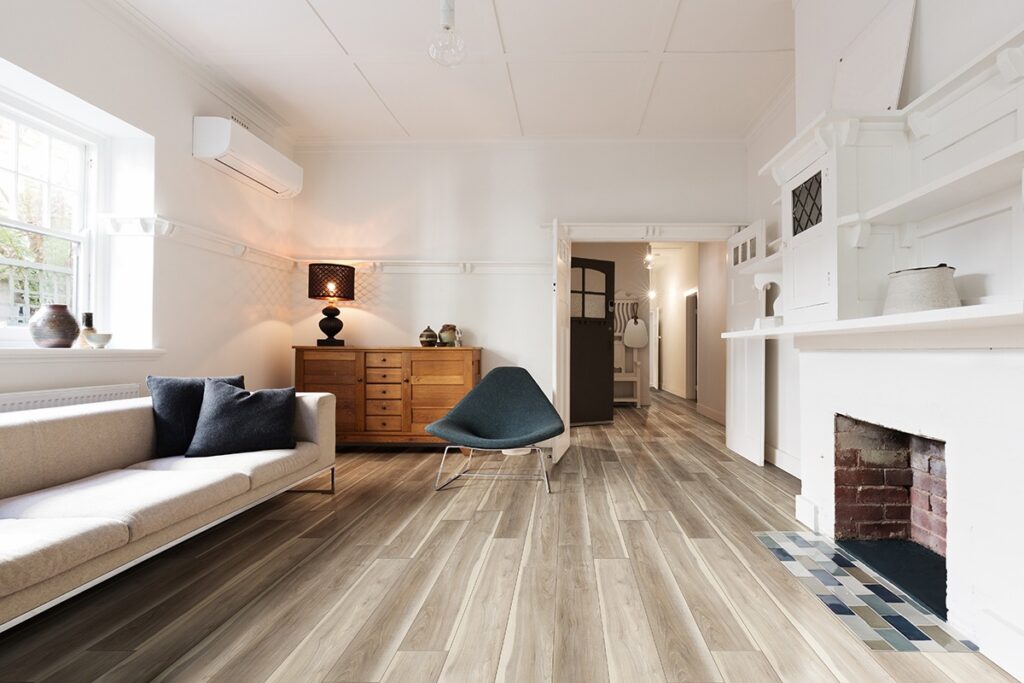
High-traffic rental properties demand flooring that works as hard as the investment behind it. The best luxury vinyl plank flooring combines durability, water resistance, and installation efficiency to reduce long-term costs.
Instead of replacing flooring every few years, property owners and contractors who prioritize wear layer strength, core stability, and proper installation can extend product life and improve return on investment.
Making informed flooring decisions today can reduce replacement cycles tomorrow.