
How to Win More Flooring Jobs with Faster Material Delivery
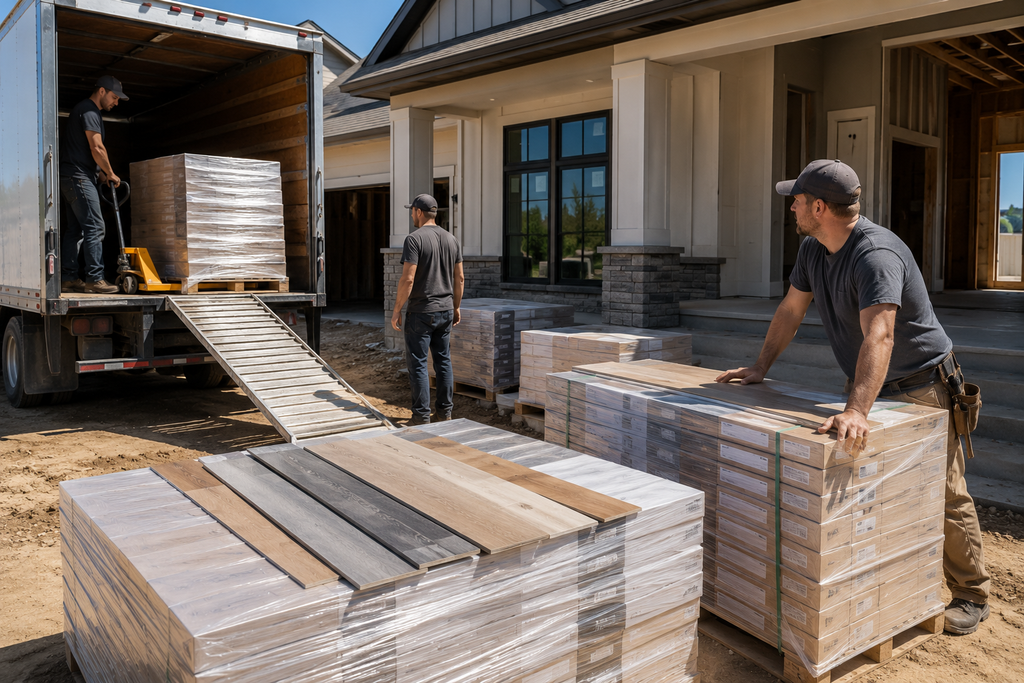
When homeowners, builders, or property managers compare flooring contractors, price is only part of the decision. Many projects are awarded to the contractor who can start sooner, finish on schedule, and avoid costly delays. That makes material delivery more than a logistics issue; it becomes a competitive advantage. For flooring professionals working throughout Greenville, SC, Atlanta, GA, Charlotte, NC, and communities along the I-85 corridor, reliable access to high-quality flooring can make the difference between landing a project and losing it to another contractor. The Flooring Supply helps flooring professionals simplify procurement by supplying LVP flooring, LVT flooring, engineered hardwood, wholesale flooring, and direct-to-jobsite shipping through its Pro Portal. Faster access to materials allows contractors to spend less time chasing inventory and more time completing profitable installations. Why Material Delays Cost Flooring Contractors More Than They Realize Every delayed shipment creates a chain reaction. If flooring arrives late, installers may need to reschedule crews, homeowners may become frustrated, builders may lose momentum, and additional trades may be pushed back. These delays often create expenses not included in the original estimate. Common hidden costs include: Construction researchers have consistently found that supply chain disruptions and material shortages are among the leading contributors to project delays and budget overruns across residential construction. Rather than focusing solely on installation efficiency, many successful contractors are now improving how they purchase and receive materials. Faster Delivery Helps You Win More Estimates When homeowners request multiple quotes, availability matters. Imagine two flooring contractors offering similar pricing: Most customers choose the contractor who offers confidence and certainty. Faster delivery allows contractors to: For restoration contractors, where emergency flooring replacement is common, quick access to LVP flooring or engineered hardwood can be especially valuable. Better Inventory Planning Means Better Cash Flow Keeping thousands of square feet of flooring in a warehouse ties up working capital. Instead of stocking every color and style, many contractors now rely on dependable wholesale suppliers that can deliver materials when projects are scheduled. This approach helps businesses: Supply chain research published in the Journal of Business Logistics has shown that efficient inventory management improves cash flow while reducing operational waste, particularly for construction-related businesses. Instead of tying up cash in inventory that may sit for months, contractors can invest in marketing, hiring installers, or expanding into new service areas. Direct Jobsite Shipping Saves Valuable Time Every extra stop between the supplier and the installation adds time. Picking up flooring from a warehouse may seem routine, but it often means: Direct-to-jobsite delivery removes these unnecessary steps. Instead of acting as a transportation company, flooring contractors can stay focused on installation and customer service. This becomes especially valuable for contractors working across Greenville, Atlanta, Charlotte, and other cities along Interstate I-85 where travel time alone can consume several hours each week. Reliable Suppliers Help Protect Your Reputation Customers rarely distinguish between a supplier problem and a contractor problem. If flooring arrives late, damaged, or incomplete, clients usually remember only that their contractor missed the promised timeline. Working with dependable suppliers reduces risks such as: A predictable supply chain allows contractors to communicate realistic schedules and consistently deliver on their promises. According to research from the Construction Industry Institute (CII), improved supply chain coordination significantly reduces project uncertainty and increases schedule reliability. Technology Is Making Flooring Procurement Easier The flooring industry has become increasingly digital. Instead of relying on phone calls, handwritten notes, or manual ordering, contractors now expect online purchasing systems that simplify procurement. Features such as: allow flooring professionals to spend less time managing materials and more time managing projects. Digital procurement also reduces ordering mistakes that often happen when multiple projects run simultaneously. Why Product Availability Matters Winning a flooring project often depends on offering the products customers actually want. Contractors who have access to a broad selection of: can respond to customer requests more quickly without searching multiple distributors. Having dependable access to popular flooring categories also helps contractors present themselves as trusted professionals rather than order takers. Building a More Efficient Flooring Business Growing a flooring company isn’t always about finding more customers. Sometimes it’s about removing the operational friction that limits growth. Ask yourself: Small operational improvements often produce meaningful long-term gains. Contractors who consistently grow their businesses usually make it easier to serve customers, not necessarily those who work longer hours. Simplify Material Delivery and Focus on Installing Floors Winning more flooring jobs isn’t only about competitive pricing or quality craftsmanship. It’s also about giving customers confidence that their project will stay on schedule. Reliable access to high-quality flooring, efficient ordering, and faster material delivery can help contractors reduce delays, improve cash flow, and complete more installations throughout Greenville, Atlanta, Charlotte, and beyond. Whether you’re installing LVP flooring, LVT flooring, or engineered hardwood, partnering with a dependable supplier makes every project easier to manage. If you’re looking for best value flooring, dependable wholesale flooring, and direct-to-jobsite delivery anywhere in the United States, visit The Flooring Supply at https://theflooringsupply.com/ to learn how their solutions can help your flooring business operate more efficiently.
Common Flooring Myths That Cost Homeowners Money
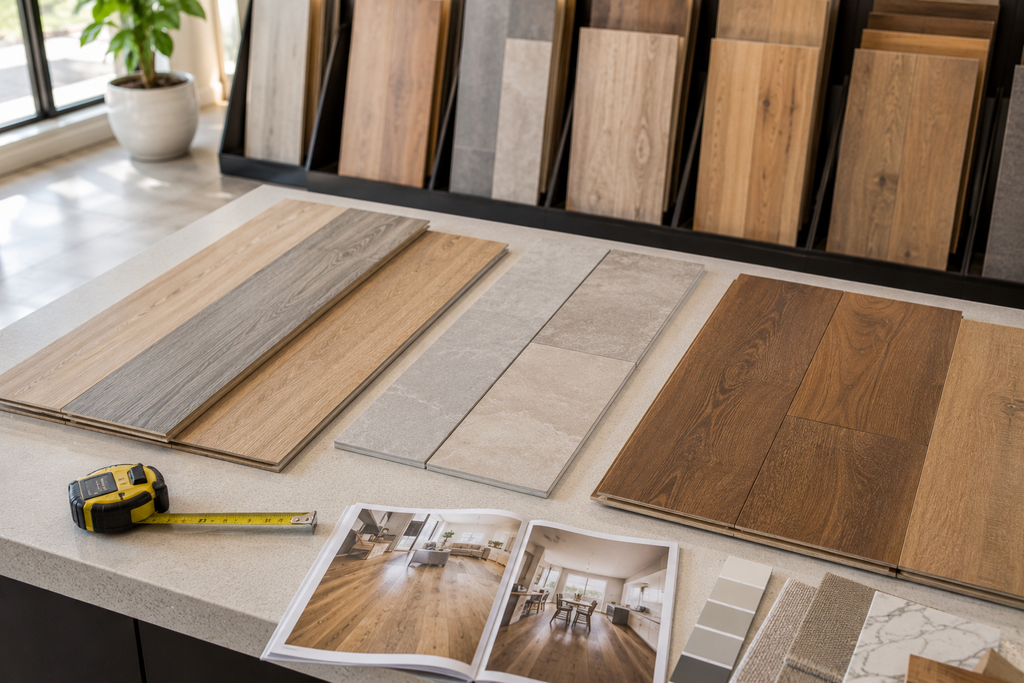
Choosing new flooring is one of the biggest investments homeowners make during a renovation. Yet many buying decisions are based on outdated advice, misconceptions, or assumptions that end up costing more than expected. Whether you’re remodeling a home in Greenville, SC, Atlanta, GA, Charlotte, NC, or anywhere along the I-85 corridor, understanding the facts can help you make a better long-term investment. At The Flooring Supply, homeowners and flooring professionals alike have access to high-quality flooring at competitive prices, including luxury vinyl plank (LVP), luxury vinyl tile (LVT), and engineered hardwood. Knowing what separates fact from fiction can help you maximize both your budget and your flooring’s lifespan. 1. The Cheapest Flooring Saves the Most Money Many homeowners focus only on the purchase price. While inexpensive flooring may reduce upfront costs, it often increases long-term expenses. Lower-quality flooring may wear out sooner, require more maintenance, or need replacement years before a premium alternative. Installation costs remain largely the same regardless of product quality, so replacing a failed floor can double labor expenses. Research from the National Association of Realtors’ Remodeling Impact Report found that flooring upgrades consistently improve homeowner satisfaction while contributing positively to resale value, especially when durable materials are selected. Instead of asking, “What’s the cheapest option?” ask: High-quality flooring often delivers the better overall value. 2. Luxury Vinyl Plank Looks Cheap Years ago, vinyl flooring looked very different from today’s products. Modern LVP flooring has changed dramatically. Advanced manufacturing techniques now produce: Many visitors cannot distinguish premium LVP from hardwood without touching it. Beyond appearance, LVP offers benefits that traditional hardwood cannot always provide, including superior moisture resistance and easier maintenance. For busy families, pet owners, or rental properties, LVP flooring frequently delivers one of the strongest combinations of appearance, durability, and value. 3. Hardwood Is Always Better Than Engineered Hardwood Solid hardwood has earned an excellent reputation, but that doesn’t automatically make it the best choice for every home. Engineered hardwood uses a genuine hardwood surface with multiple layers beneath that improve dimensional stability. This construction helps reduce expansion and contraction caused by humidity changes. According to the USDA Forest Products Laboratory, engineered wood products are specifically designed to provide greater dimensional stability than comparable solid wood under changing environmental conditions. This makes engineered hardwood an excellent option for: For many homeowners, engineered hardwood delivers the appearance of solid hardwood while offering improved performance in challenging environments. 4. All Flooring Products Are Basically the Same Not all flooring products are created equally. Two products may look nearly identical online while having significant differences in: A thicker wear layer often provides greater resistance against scratches and daily wear. Contractors understand that selecting quality materials reduces callbacks and customer complaints. Homeowners benefit from the same principle. Working with a trusted supplier helps ensure you’re comparing products based on performance, not just price. 5. DIY Installation Always Saves Money Installing flooring yourself can absolutely save money, but only when the project matches your experience level. Incorrect installation can lead to: The North American Laminate Flooring Association (NALFA) emphasizes that following manufacturer installation guidelines is essential to achieving expected product performance and maintaining warranty protection. Many experienced DIY homeowners install click-lock LVP flooring successfully. However, more complex layouts, subfloor repairs, stairs, or large spaces often benefit from professional installation. The goal isn’t simply to spend less today; it’s to avoid costly repairs later. 6. Waterproof Flooring Means Water Can Sit Forever One of the most misunderstood flooring terms is “waterproof.” Waterproof flooring refers to the flooring material itself, not the entire flooring system. Standing water can still affect: Even with waterproof LVP flooring, clean spills promptly. Proper installation and moisture management remain essential parts of protecting your investment. 7. Wholesale Flooring Means Lower Quality Many people assume “wholesale flooring” means discount products with lower standards. In reality, wholesale pricing often reflects a different distribution model, not inferior materials. Companies like The Flooring Supply reduce unnecessary markups by connecting homeowners and flooring professionals with premium flooring products at competitive prices. This approach allows customers to purchase: Discount pricing doesn’t necessarily mean discount quality. 8. Flooring Doesn’t Affect Home Value Flooring is one of the first things buyers notice. Old carpet, damaged laminate, or worn flooring can negatively impact first impressions. Conversely, updated flooring creates a cleaner, more modern appearance that appeals to buyers. The National Association of Realtors has repeatedly found that interior improvements, including flooring upgrades, rank among projects that increase homeowner enjoyment while improving marketability. Even if you’re not planning to sell immediately, investing in durable flooring improves daily living while supporting long-term property value. How to Make a Smarter Flooring Decision Instead of focusing solely on purchase price, evaluate flooring based on total value. Ask yourself: Working with knowledgeable flooring professionals helps ensure you choose materials that meet both your needs and your budget. Whether you’re a homeowner planning a renovation or a contractor managing multiple projects, selecting the right flooring from the beginning often prevents expensive mistakes later. Invest in Facts, Not Flooring Myths Flooring myths often lead homeowners toward decisions that seem inexpensive today but become costly over time. Understanding the differences between LVP flooring, engineered hardwood, and other high-quality options lets you invest with confidence. If you’re looking for the best value flooring, wholesale flooring, or premium flooring solutions in Greenville, Atlanta, Charlotte, or anywhere across the United States, The Flooring Supply offers trusted products for homeowners and flooring professionals alike. Visit https://theflooringsupply.com/ to explore high-quality flooring options, compare products, and find solutions that deliver lasting value for your next project.
Top Questions Contractors Ask When Sourcing Wholesale Flooring (Answered)
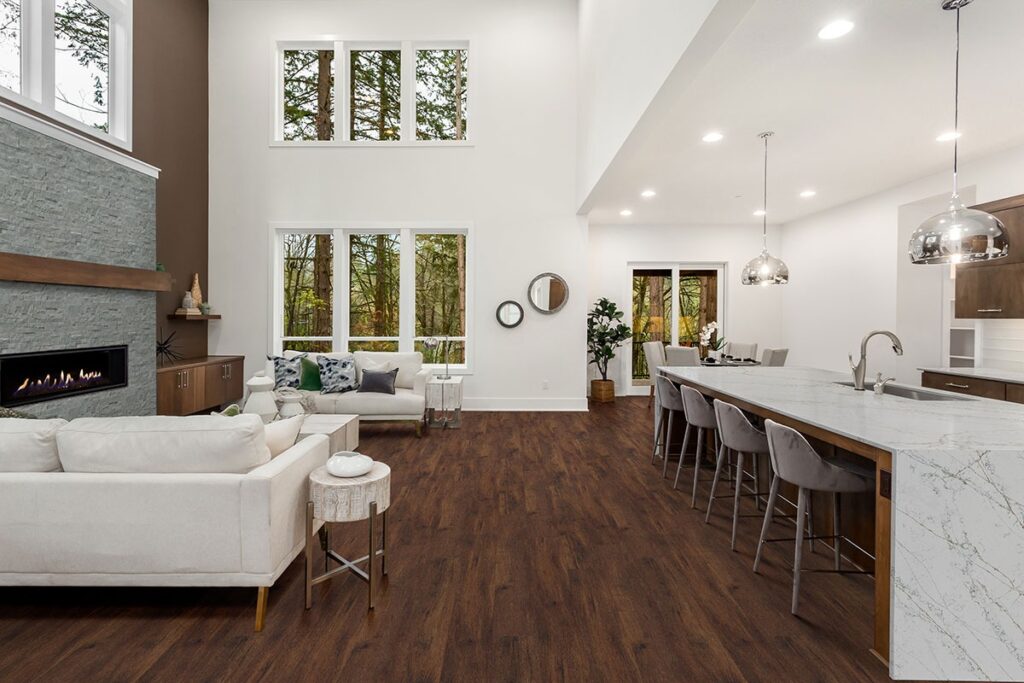
When you’re responsible for keeping flooring projects on schedule and within budget, choosing the right wholesale flooring supplier matters just as much as selecting the right product. Whether you’re installing luxury vinyl plank (LVP), luxury vinyl tile (LVT), or engineered hardwood, your supplier can directly affect project timelines, customer satisfaction, and profitability. At The Flooring Supply, contractors, home builders, restoration professionals, and homeowners gain access to high-quality flooring at competitive prices, with efficient ordering and nationwide drop shipping. Serving Greenville, SC; Atlanta, GA; Charlotte, NC; and communities throughout the I-85 corridor, the company also helps professionals streamline purchasing through its proprietary Pro Portal. Below are answers to some of the most common questions contractors ask when sourcing wholesale flooring. 1. How Do I Know I’m Getting Quality Wholesale Flooring? Wholesale pricing should never come at the expense of quality. Before purchasing flooring, verify: For engineered hardwood, examine the thickness of the hardwood veneer, plywood core construction, and finish quality. According to the North American Laminate Flooring Association (NALFA), products that meet recognized performance standards undergo testing for wear resistance, impact resistance, stain resistance, and dimensional stability. Choosing flooring that meets established industry standards helps reduce callbacks and warranty claims. 2. Is Wholesale Flooring Actually Less Expensive? Yes, but the biggest savings extend beyond the initial purchase price. Wholesale flooring often reduces: For contractors completing multiple projects annually, these efficiencies can significantly improve profit margins. Working with a supplier that offers direct shipping also eliminates unnecessary handling, allowing flooring to arrive closer to the job site when needed. 3. Which Flooring Products Offer the Best Value? The answer depends on the project. Luxury Vinyl Plank (LVP) LVP flooring is popular because it offers: The 2024 U.S. Houzz Kitchen Trends Study found that vinyl flooring remains one of the most commonly selected resilient flooring materials in remodeling projects due to its balance of appearance, durability, and affordability. Luxury Vinyl Tile (LVT) LVT works well for: Engineered Hardwood Engineered hardwood is often preferred when clients want: Selecting the right material depends on the customer’s priorities, not on choosing a single product for every application. 4. How Important Is Product Availability? Extremely important. Flooring delays frequently create scheduling problems that affect multiple trades. Ask suppliers: Reliable inventory management helps contractors avoid expensive project delays. 5. What Should I Look For Beyond Pricing? The lowest price doesn’t always provide the best overall value. Consider: The Flooring Supply’s Pro Portal helps professionals simplify purchasing and reduce the administrative work of ordering flooring for multiple projects. 6. Does Flooring Performance Really Matter That Much? Absolutely. The National Association of Home Builders (NAHB) consistently identifies flooring as one of the most visible interior finishes influencing homeowner satisfaction and long-term maintenance expectations. Durable flooring can reduce: High-quality flooring benefits both contractors and property owners throughout the life of the installation. 7. Can One Supplier Handle Different Project Types? Many contractors manage: Working with a supplier that offers LVP, LVT, and engineered hardwood makes purchasing more efficient and simplifies future repeat orders. Instead of coordinating with multiple distributors, contractors can source multiple flooring categories from a single reliable partner. 8. Should I Buy Locally or Use Nationwide Shipping? Both options have advantages. For contractors working in and around Greenville, Atlanta, Charlotte, and the I-85 corridor, local expertise offers valuable regional knowledge and faster communication. At the same time, nationwide drop shipping ensures contractors can receive products virtually anywhere in the United States without sacrificing convenience. This flexibility becomes especially valuable for contractors managing projects across multiple markets. 9. How Can Wholesale Flooring Help My Business Grow? Saving money on materials is only one benefit. Reliable sourcing also helps contractors: According to the Construction Industry Institute (CII), effective supply chain management improves project performance by reducing delays, increasing productivity, and lowering overall project costs. Efficient procurement becomes increasingly valuable as businesses take on more projects throughout the year. 10. What Questions Should I Ask Before Choosing a Flooring Supplier? Before committing to any supplier, ask: These questions help identify suppliers that support long-term business growth rather than simply offering competitive pricing. Why Contractors Choose The Flooring Supply Whether you’re installing LVP, LVT, or engineered hardwood, dependable sourcing helps keep projects moving while protecting your reputation. The Flooring Supply provides: By simplifying procurement and maintaining access to trusted flooring products, contractors can spend less time chasing materials and more time completing profitable projects. Partner With a Wholesale Flooring Supplier You Can Count On Successful flooring projects begin long before installation with dependable sourcing. Choosing a wholesale flooring supplier that combines quality products, reliable inventory, competitive pricing, and efficient delivery helps contractors stay on schedule while protecting their bottom line. Whether you’re searching for flooring in Greenville, Atlanta, or Charlotte, or need nationwide shipping, The Flooring Supply offers the products and support professionals need. Visit https://theflooringsupply.com/ to explore premium LVP flooring, LVT flooring, engineered hardwood, and contractor-focused solutions designed to simplify every project.
Best Flooring Options for Upstate South Carolina Homes (Climate, Humidity, and Style)
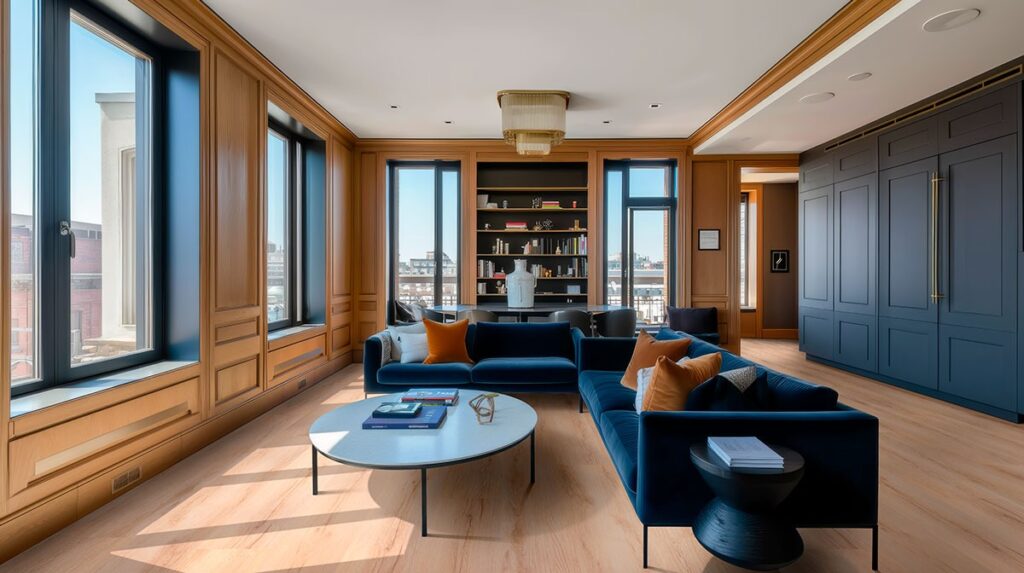
When choosing new flooring, appearance is only part of the equation. In Upstate South Carolina, factors such as humidity, seasonal temperature fluctuations, and everyday wear can significantly affect how flooring performs over time. Whether you’re a homeowner renovating your living space or a contractor completing projects across Greenville, Atlanta, Charlotte, and communities along the I-85 corridor, selecting the right flooring helps reduce callbacks, improve durability, and deliver lasting value. At The Flooring Supply, professionals and DIY homeowners alike have access to high-quality LVP, LVT, and engineered hardwood at competitive prices. Understanding how each material performs in the Southeast’s climate makes it easier to choose the right solution for every project. Why Climate Matters When Choosing Flooring Upstate South Carolina experiences a humid subtropical climate characterized by: According to the National Weather Service, humidity levels can remain elevated for much of the year, causing wood-based building materials to naturally expand and contract with moisture fluctuations. This makes flooring selection especially important. Choosing products designed to perform in changing moisture conditions can help reduce movement, gaps, cupping, or premature wear. What Makes a Great Flooring Choice? The best flooring balances several factors: For most homes throughout Greenville, Atlanta, Charlotte, and surrounding areas, three flooring categories consistently perform well: Let’s look at how each compares. Luxury Vinyl Plank (LVP): A Practical Choice for Busy Homes Luxury Vinyl Plank has become one of the fastest-growing flooring categories in North America for good reason. Benefits of LVP Flooring Because LVP is constructed with multiple engineered layers rather than solid wood, it remains stable in environments where humidity fluctuates throughout the year. For homeowners with: LVP often delivers an excellent combination of durability and affordability. Best Rooms for LVP Many modern LVP collections are also waterproof, making them especially attractive for moisture-prone areas. Luxury Vinyl Tile (LVT): The Look of Stone Without the Maintenance If a project calls for the appearance of tile or natural stone while maintaining easier installation and maintenance, Luxury Vinyl Tile is an excellent option. Advantages of LVT Flooring LVT is commonly selected for: For contractors, it also offers faster installation compared to many traditional tile applications. Engineered Hardwood: Natural Beauty Built for Modern Homes Many homeowners still prefer the timeless appearance of real hardwood. Unlike solid hardwood, engineered hardwood uses a layered construction with a genuine hardwood veneer over a stable core. This design helps reduce expansion and contraction caused by humidity changes. Benefits of Engineered Hardwood Although engineered hardwood performs better than traditional solid hardwood in humid environments, maintaining consistent indoor humidity is still recommended for optimal performance. Ideal Areas Which Flooring Performs Best in Upstate South Carolina? Flooring Type Moisture Resistance Durability Appearance Maintenance Luxury Vinyl Plank Excellent Excellent Wood Look Very Low Luxury Vinyl Tile Excellent Excellent Stone/Tile Look Very Low Engineered Hardwood Good Very Good Natural Hardwood Moderate For many homeowners, LVP provides the best overall combination of durability, moisture resistance, and value. For projects emphasizing premium aesthetics, engineered hardwood remains an excellent investment. Style Trends Across Greenville, Atlanta, and Charlotte Homeowners throughout the Southeast continue to favor flooring that complements both traditional and contemporary homes. Popular styles include: Light Oak Finishes Light oak creates an open, airy appearance while helping smaller spaces feel larger. Wide Plank Flooring Wider planks remain one of today’s most requested flooring styles because they create a more seamless appearance. Natural Wood Tones Warm browns and neutral wood colors continue to complement a wide range of cabinetry, furniture, and paint colors. Matte Finishes Low-sheen finishes help hide everyday dust and footprints while creating a more natural appearance. These design trends work well across everything from new construction in Greenville to renovation projects throughout Atlanta and Charlotte. Tips for Contractors Choosing Flooring Flooring professionals know that product quality affects installation speed, customer satisfaction, and future referrals. When selecting materials, consider: Working with a dependable wholesale flooring supplier helps contractors reduce delays and keep projects moving efficiently. Tips for Homeowners Before purchasing flooring, ask yourself: Answering these questions helps narrow down the best flooring option while avoiding unnecessary upgrades. Why Quality Flooring Is a Smart Investment Flooring is one of the first features people notice when entering a home. Choosing high-quality materials can provide: Rather than replacing flooring sooner than expected, investing in durable products designed for your local climate often provides better overall value. Find the Right Flooring with The Flooring Supply Whether you’re remodeling a home in Greenville, installing flooring throughout the Atlanta metro area, completing projects in Charlotte, or serving customers anywhere along the I-85 corridor, selecting flooring designed for the Southeast’s climate helps ensure long-lasting performance. The Flooring Supply offers premium LVP, LVT, and engineered hardwood for homeowners, contractors, builders, and restoration professionals seeking quality products at competitive prices. With nationwide drop shipping, wholesale pricing, and solutions designed to simplify flooring procurement, they help make every project more efficient. Explore the full collection and learn more at https://theflooringsupply.com/ to find high-quality flooring that combines durability, style, and value for your next project.
How to Choose the Right Flooring Color for Open-Concept Homes
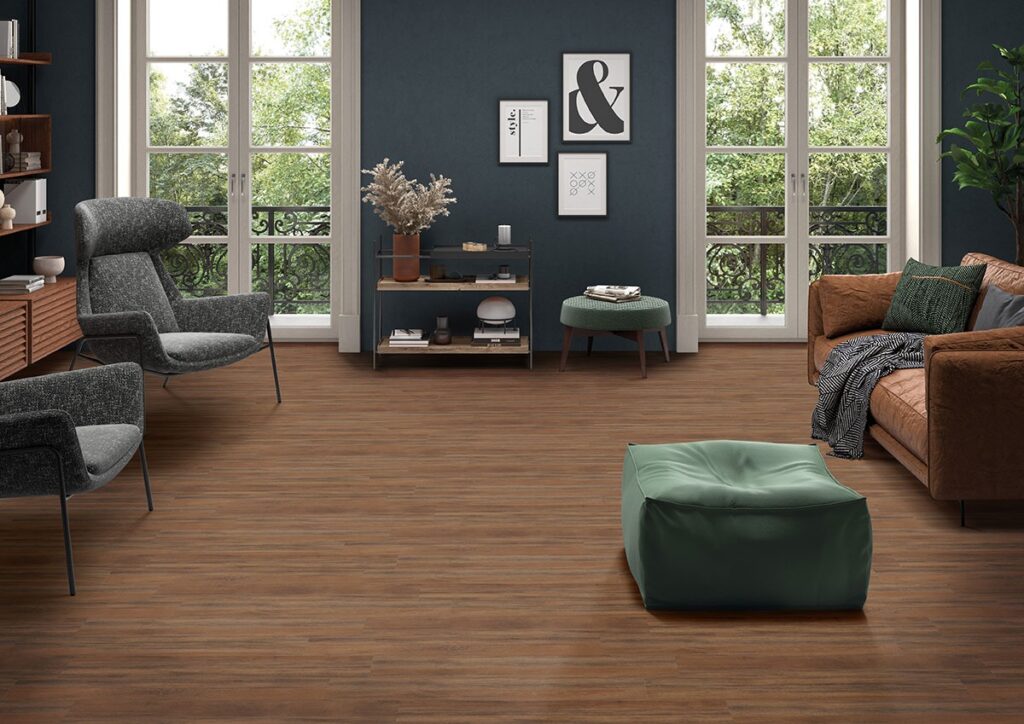
Open-concept homes continue to dominate new construction and renovations across Greenville, SC; Atlanta, GA; Charlotte, NC; and the I-85 corridor. While open layouts create spaciousness and flexibility, they also make the choice of flooring color one of the most critical design decisions in the home. In an open floor plan, flooring isn’t confined to one room. It visually connects kitchens, living areas, dining spaces, and sometimes hallways all at once. A poor color choice becomes highly visible. The right one increases perceived space, improves light balance, and supports long-term property value. At The Flooring Supply, we work with flooring pros, home builders, restoration specialists, and homeowners who need high-quality flooring, whether that’s LVP flooring, LVT flooring, or engineered hardwood delivered efficiently and priced competitively. This guide walks you through choosing the right flooring color with a professional mindset. Why Flooring Color Matters More in Open-Concept Homes In traditional layouts, rooms are visually separated by walls and doorways. In open-concept homes, the flooring acts as a visual foundation across large, continuous spaces. Color impacts: Research in environmental psychology has shown that lighter surfaces increase perceived spatial volume and brightness due to higher light reflectance values (LRV). This matters in open homes, where flooring spans thousands of square feet. For contractors and builders, selecting the right tone also reduces callbacks and change orders, especially in spec builds. Step 1: Start With Natural Light, Not Paint Paint can change. Cabinets can change. Flooring usually does not. Before selecting flooring in Greenville, flooring in Atlanta, or flooring in Charlotte, evaluate: Bright, High-Light Homes Homes with abundant natural light can handle: Low-Light or Narrow Spaces Homes with limited light benefit from: Dark floors absorb more light. In large open-concept areas with limited windows, the space can feel smaller than intended. Step 2: Understand Undertones (The Most Overlooked Detail) Most flooring mistakes happen because undertones are ignored. Common undertone categories: For example: In open-concept homes, undertones must remain consistent across the entire visible area. Mixing cool flooring with warm cabinets often creates visual tension. Pros who specialize in wholesale flooring installations often standardize on 2–3 versatile tones that perform well across most projects, simplifying decision-making and increasing margins. Step 3: Consider Lifestyle and Wear Floor color directly impacts maintenance visibility. Light Flooring Dark Flooring According to the National Wood Flooring Association (NWFA), mid-tone woods tend to show less visible wear over time compared to very dark finishes. This is relevant whether installing engineered hardwood or high-quality vinyl flooring. For restoration professionals and contractors managing rental or flip properties, mid-tones typically offer the best balance between aesthetic appeal and durability perception. Step 4: Choose a Color That Scales Across Space Open-concept homes often extend flooring into: The larger the footprint, the more dominant the flooring becomes. Safe, High-Performance Color Categories For builders along I-85, neutral tones consistently outperform bold or trendy shades when the resale timeline matters. Step 5: Match Flooring to Business Goals (For Pros) If you are running a flooring business, color selection isn’t only about design—it’s about efficiency and profit. Standardizing inventory across popular colors can: At The Flooring Supply, contractors use our Pro Portal to streamline ordering of LVP, LVT, and engineered hardwood directly to job sites, reducing time spent sourcing and improving project margin control. Choosing colors that consistently perform well in open-concept homes simplifies your workflow and protects your bottom line. Step 6: Know When to Choose LVP, LVT, or Engineered Hardwood Color is important, but material affects how that color behaves over time. LVP Flooring LVT Flooring Engineered Hardwood Open-concept homes in the Southeast often benefit from engineered hardwood or high-quality LVP due to humidity fluctuations. Stable core construction helps reduce expansion and contraction issues. When purchasing discount or wholesale flooring, always confirm the wear layer thickness and construction quality, not just the color. Step 7: Think Long-Term, Not Trend-Driven Trends move quickly. Flooring does not. Highly gray floors peaked in popularity over the last decade. Warmer natural tones are currently regaining traction. If resale value matters or if you’re installing flooring for clients, avoid extreme tones. Balanced, natural wood-inspired shades consistently provide the best long-term value. The best flooring decisions are the ones that still look appropriate 10–15 years from now. Final Checklist Before Ordering Before placing your order: For pros in Greenville, Atlanta, Charlotte, and along the I-85 corridor, consistency and supplier reliability matter just as much as color selection. Choose Color With Confidence and Back It With the Right Supplier Selecting the right flooring color for an open-concept home requires balancing light, undertones, lifestyle demands, resale considerations, and business efficiency. Whether you’re installing LVP, LVT, or engineered hardwood, the goal is the same: choose a tone that enhances the space, supports durability, and delivers lasting value. At The Flooring Supply, we help contractors and homeowners secure high-quality flooring at competitive pricing with efficient delivery options and a Pro Portal designed to streamline your workflow. If you’re planning your next project in Greenville, Atlanta, Charlotte, or anywhere across the U.S., explore your options at: https://theflooringsupply.com/ Make your next flooring color decision one that supports both design and long-term performance.
How to Read a Flooring Spec Sheet: A Guide for Builders and Contractors

When you’re pricing a job in Greenville, Atlanta, Charlotte, or anywhere along the I-85 corridor, the flooring spec sheet often determines whether the project runs smoothly or turns into a callback. For builders, general contractors, and restoration professionals, understanding a flooring spec sheet is not optional. It’s how you protect your margin, your schedule, and your reputation. At The Flooring Supply, we work with pros who install LVP, LVT, and engineered hardwood flooring every day. This guide will help you break down a spec sheet line by line so you can confidently select high-quality flooring that delivers the best value for your project. Why Flooring Spec Sheets Matter A flooring spec sheet is not marketing material. It is a technical summary of performance data, installation requirements, and compliance standards. For contractors, this means: Understanding these details also helps you compare wholesale flooring and discount flooring options without sacrificing quality. 1. Wear Layer (For LVP and LVT Flooring) The wear layer is one of the most important numbers on any LVP or LVT flooring spec sheet. It is measured in mils (thousandths of an inch), not millimeters. What to Look For The wear layer protects against scratches and abrasion. ASTM D4060 (Taber Abrasion Test) is often used to measure wear resistance in resilient flooring. A thicker wear layer typically means better long-term durability in high-traffic environments. For contractors working on rental properties or commercial spaces in Atlanta or Charlotte, a 20-mil wear layer may reduce long-term maintenance and replacement costs. 2. Total Thickness vs. Wear Layer Many pros confuse overall thickness with durability. Thicker boards can help with minor subfloor imperfections and may feel more solid underfoot. However, a thick board with a thin wear layer can still wear out prematurely. Always compare both numbers together. 3. Core Type (SPC vs. WPC vs. Engineered Hardwood Core) The core impacts stability, especially in humid climates like Greenville or the broader Southeast. For LVP and LVT SPC cores generally perform well in areas with temperature swings and moisture exposure. For Engineered Hardwood Spec sheets will list: Engineered hardwood stability is supported by cross-layered construction. According to the National Wood Flooring Association (NWFA), engineered wood’s layered design helps reduce expansion and contraction compared to solid hardwood. This is particularly important in homes across the I-85 region, where humidity can vary seasonally. 4. AC Rating (For Some Resilient and Laminate Products) AC ratings (Abrasion Criteria) are more common in laminate flooring but may appear on some spec sheets. While not standard for all LVP flooring, similar abrasion testing standards may be referenced. Always check which testing method is being used. 5. Installation Method The spec sheet should clearly outline: Why this matters for contractors: The installation method directly affects your labor estimate and job timeline. 6. Moisture Resistance and Testing Standards Moisture performance is critical in bathrooms, kitchens, and restoration jobs. Look for references to: Most SPC-based LVP flooring is marketed as waterproof, but the spec sheet should clarify limitations, especially regarding subfloor moisture conditions. For restoration professionals in Greenville or Atlanta, reviewing these standards helps prevent costly failures. 7. Slip Resistance and Safety Ratings In commercial or multi-family applications, slip resistance may be required. The spec sheet may list: These ratings matter for code compliance in commercial environments. 8. Warranty Details Do not just look at the number of years. Read: A 30-year residential warranty does not guarantee commercial durability. Always match warranty coverage to project use. 9. Environmental Certifications For certain builders and developers, certifications may be required: Low-VOC flooring contributes to healthier indoor air quality, which may support LEED or green building initiatives. 10. Packaging and Coverage Per Carton This section affects your estimate accuracy. Spec sheets typically list: A standard waste factor ranges from 5%–10% depending on layout complexity. Accurate coverage calculations protect your profit margins and reduce jobsite delays. How to Compare Flooring Spec Sheets Side by Side When reviewing multiple products from wholesale flooring suppliers: The best value flooring is not always the lowest price. It is the product that meets job requirements while minimizing callbacks and replacements. Applying This Knowledge Along the I-85 Corridor Builders and contractors working in: Face similar climate considerations: humidity, temperature shifts, and varied subfloor conditions. Choosing high-quality flooring supported by clear, transparent spec sheets helps you maintain consistency across markets. At The Flooring Supply, we help pros source LVP, LVT, and engineered hardwood that balance performance and cost. Through our Pro Portal, contractors can streamline ordering, reduce sourcing time, and have flooring shipped directly to the jobsite anywhere in the USA. Read the Specs, Protect the Job A flooring spec sheet is more than a technical document. It is your roadmap to performance, durability, and profitability. By understanding wear layers, core construction, moisture standards, warranties, and installation requirements, you position yourself as a knowledgeable professional who delivers lasting results. If you’re sourcing high-quality flooring, wholesale flooring, or discount flooring in Greenville, Atlanta, Charlotte, or anywhere nationwide, The Flooring Supply is ready to help you simplify the process and secure the best value for your next project. Explore available products and streamline your next order at: https://theflooringsupply.com/
What Is Wear Layer Thickness in LVP and Why Does It Matter?
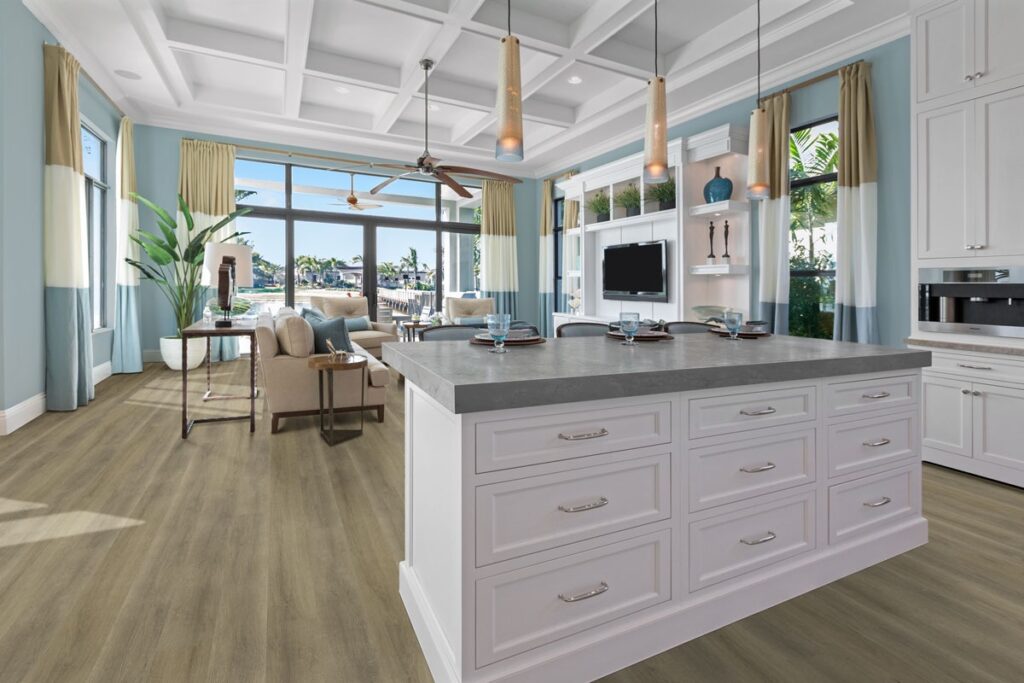
Luxury vinyl plank has become one of the most widely used flooring products in residential and light commercial spaces. For contractors, builders, and homeowners comparing LVP flooring, one specification consistently raises questions: wear layer thickness. At The Flooring Supply, we work with flooring pros and DIY customers across the USA, from Atlanta to Greenville and Charlotte, helping them evaluate high-quality flooring based on performance, not just price. Understanding wear-layer thickness is key to choosing the best-value flooring for your project. This guide explains what the wear layer is, how it’s measured, and how to choose the right thickness for your application. What Is the Wear Layer in LVP Flooring? Luxury vinyl plank is a layered product. Most LVP flooring includes: The wear layer is the clear protective surface that sits above the decorative vinyl image. Its purpose is to resist: In many products, the wear layer is made of clear PVC with urethane coatings, and sometimes enhanced with ceramic bead technology for additional abrasion resistance. Without a sufficient wear layer, the printed design beneath can wear down over time. That is why thickness matters. How Is Wear Layer Thickness Measured? Wear layer thickness is measured in mils, not millimeters. Common wear layer thicknesses in LVP flooring include: The higher the mil number, the thicker the protective surface. However, thicker does not always mean better. The right wear layer depends on traffic level and use. Why Wear Layer Thickness Matters 1. Durability Under Foot Traffic Research in surface wear testing, such as Taber Abrasion testing (ASTM D4060), shows that thicker protective layers typically withstand more abrasion cycles before visible damage occurs. In simple terms, thicker wear layers generally resist wear longer. In residential settings with moderate foot traffic, a 12 mil wear layer often performs well. In commercial or rental environments with heavier use, 20 mil or higher is typically recommended. 2. Scratch and Scuff Resistance While the wear layer thickness contributes to durability, the coating technology also plays a role. Aluminum oxide and ceramic bead finishes increase scratch resistance beyond that provided by thickness alone. That means a high-quality 12 mil wear layer with advanced coating may outperform a lower-quality 20 mil layer. For contractors installing LVP flooring in active households, pets and furniture movement are practical considerations. The wear layer helps protect against everyday abrasion. 3. Long-Term Appearance Once the decorative print layer is compromised, the flooring cannot be refinished like engineered hardwood. The wear layer is the primary defense. A thicker wear layer helps maintain the visual integrity of LVT and LVP flooring for longer, especially in kitchens, entryways, and commercial spaces. 4. Warranty Implications Many manufacturers tie residential and commercial warranties directly to wear layer thickness. For example: When evaluating wholesale flooring options, warranty coverage should be reviewed alongside thickness. Recommended Wear Layer Thickness by Application Residential Homes For most homeowners, 12 mil provides a balance of durability and cost. It works well for: Higher-traffic households, especially those with pets or children, may benefit from 20 mil. Rental Properties Landlords often prefer 20 mil wear layers to reduce replacement frequency. While discount flooring options with lower wear layers may reduce upfront cost, durability often lowers long-term expense. Light Commercial Spaces Retail shops, offices, and professional buildings typically require 20 mil or greater. This supports higher foot traffic and rolling loads. Heavy Commercial Some commercial settings may require specialized LVT flooring with enhanced wear layers beyond 22 mil and additional performance certifications. Does Thicker Always Mean Better? Not necessarily. Here are three important considerations: 1. Core Construction The core (SPC, WPC, or flexible vinyl) affects stability and dent resistance. A thick wear layer cannot compensate for a weak core. 2. Overall Plank Thickness Total plank thickness and wear layer thickness are separate specifications. A 5 mm plank with a 20 mil wear layer may perform differently than a 6.5 mm plank with the same wear layer. 3. Intended Use Over-specifying can increase material costs without added benefit. A guest bedroom does not require commercial-grade protection. Choosing the best flooring means matching product specs to real-world conditions. LVP vs Engineered Hardwood: Wear Considerations Unlike engineered hardwood, which can sometimes be refinished depending on veneer thickness, LVP flooring relies entirely on its wear layer for surface protection. Engineered hardwood durability is determined by the hardwood veneer thickness, while LVP performance depends on mil thickness and coating quality. Both have advantages. LVP often provides stronger moisture resistance and lower maintenance, making it practical in kitchens and basements. Cost vs Long-Term Value Wear layer thickness impacts price, but it also impacts lifecycle cost. For contractors, selecting appropriate thickness can reduce callbacks and replacement costs. For homeowners, it protects against premature wear. Studies in flooring lifecycle analysis suggest that more durable surface materials reduce long-term replacement frequency, lowering environmental impact and total cost of ownership. When evaluating wholesale flooring, balancing durability and budget ensures best value flooring over time. How to Choose the Right Wear Layer Here is a practical decision guide: 1. Evaluate Traffic Level Low, moderate, or heavy? 2. Consider Occupants Pets, children, commercial customers? 3. Review Warranty Coverage Residential or commercial? 4. Compare Coating Technology Look for urethane, aluminum oxide, or ceramic bead finishes. 5. Confirm Source Quality Work with trusted flooring suppliers who prioritize high-quality flooring. At The Flooring Supply, we help contractors and homeowners compare LVP flooring specifications clearly, without unnecessary complexity. Wear Layer Thickness and Regional Considerations With growing demand in Greenville, Atlanta, and Charlotte, flooring needs often reflect mixed-use environments, rental properties, and new construction homes. In humid southeastern climates, moisture-resistant LVP flooring, combined with an appropriate wear layer, delivers practical performance. The Flooring Supply can drop ship anywhere in the USA, supporting projects regardless of location. Matching Specification to Performance Wear-layer thickness in LVP flooring matters because it directly affects durability, appearance retention, warranty coverage, and long-term value. However, the right choice depends on application, not just the highest number available. For most residential applications, 12 mil offers reliable performance. For heavier use or
How to Price Flooring Jobs When Buying at Wholesale: A Breakdown for Contractors

Pricing flooring jobs correctly can determine whether a project generates steady profit or unexpected loss. For contractors working with wholesale flooring, the opportunity to increase margins is real but only if pricing is structured carefully. At The Flooring Supply, professionals across the U.S. source LVP, LVT, and engineered hardwood at competitive wholesale rates. With drop shipping available nationwide and operations transitioning from Atlanta to Greenville, contractors from Georgia to the Carolinas and beyond can access high-quality flooring without traditional retail markups. This guide breaks down how to price flooring jobs when purchasing at wholesale so you can remain competitive while protecting your bottom line. 1. Understand Your True Material Cost Wholesale pricing improves margins, but material cost is more than just the per-square-foot number on the invoice. When calculating cost, include: For example, if LVP flooring costs $2.25 per square foot wholesale and you install 1,000 square feet with a 7% waste factor, you are purchasing 1,070 square feet. That brings your material cost closer to $2,407.50 before accessories. The National Wood Flooring Association (NWFA) recommends including a waste allowance appropriate to the product type and installation pattern. Plank layouts with diagonal cuts or irregular spaces often require more than 5% overage. Accurate material calculations prevent underbidding. 2. Know Your Labor Benchmarks Labor varies by region and product type. Industry surveys show that installation labor for flooring typically ranges: Engineered hardwood requires more skill and time, particularly when moisture testing or subfloor prep is involved. According to the NWFA, subfloor moisture testing is essential before wood installation to prevent long-term failure. When pricing labor, include: Wholesale material savings should not lead to discounted labor rates. Labor represents skill and liability not just time. 3. Factor in Overhead and Business Costs Many contractors price jobs by adding material and labor, then adding a small percentage markup. This often leaves profit exposed. Your overhead may include: A common method is to calculate your annual overhead and divide it by projected billable hours or square footage installed. That gives you an overhead cost per unit. If your overhead equates to $0.75 per square foot and you omit it from pricing, your margins shrink quickly. Wholesale flooring helps improve margins but only if overhead is accounted for before profit is calculated. 4. Establish a Clear Markup Strategy When buying discount flooring at wholesale, your markup strategy determines profitability. There are two common approaches: Cost-Plus Pricing Add a percentage markup to the total cost (materials + labor + overhead). Example: Target Margin Pricing Set your desired gross margin first and calculate backward. If you want a 35% gross margin, your cost must represent 65% of the final selling price. Wholesale purchasing enables stronger margins without raising customer prices above market rates. 5. Understand Market Positioning Contractors in Atlanta, Greenville, or Charlotte operate in competitive markets. Customers often compare multiple bids. Rather than simply lowering prices, position your bid based on value: Luxury vinyl plank continues to grow in popularity. The Grand view research reports that resilient flooring categories, including LVP and LVT, have led industry growth over the past decade due to durability and water resistance. Consumers recognize value in products that combine performance with reasonable pricing. 6. Evaluate Return on Investment for Clients Helping clients understand ROI strengthens your bid. Research from Remodeling Magazine’s Cost vs. Value Report consistently shows that flooring replacements improve resale appeal and buyer perception. Luxury vinyl and engineered hardwood are particularly attractive because: When clients see flooring as an investment rather than a cost, price resistance decreases. Contractors sourcing wholesale flooring can offer strong value without compromising margins. 7. Protect Your Profit with Clear Contracts Even well-priced jobs can lose money without scope clarity. Include in your contract: Engineered hardwood installations, for example, may require acclimation periods. Failing to account for this can delay schedules and affect profitability. Clear documentation protects both contractor and homeowner. Example Pricing Breakdown (Simplified) 1,000 sq ft LVP Installation: Total Cost: $6,307.50 If targeting a 25% profit margin: This structure protects profit while remaining competitive compared to retail-based pricing models. Why Wholesale Flooring Strengthens Contractor Margins Retail markups often range from 30–50% before a contractor even adds labor. Sourcing directly from a supplier like The Flooring Supply reduces that initial markup, creating flexibility. Advantages include: Whether you operate in Atlanta, Greenville, Charlotte, or elsewhere, wholesale access supports sustainable pricing models. Price with Strategy, Not Guesswork Pricing flooring jobs correctly requires more than comparing competitor bids. It requires understanding material costs, labor benchmarks, overhead, and profit goals. Wholesale flooring improves your position but only if pricing is structured thoughtfully. If you are looking for the best value flooring that allows you to protect margins while delivering strong results, explore options at The Flooring Supply. Visit https://theflooringsupply.com/ to access high-quality flooring shipped nationwide and simplify the way you price your next job. Smart sourcing leads to smarter profits.
Best Luxury Vinyl Plank Flooring for High-Traffic Rental Properties
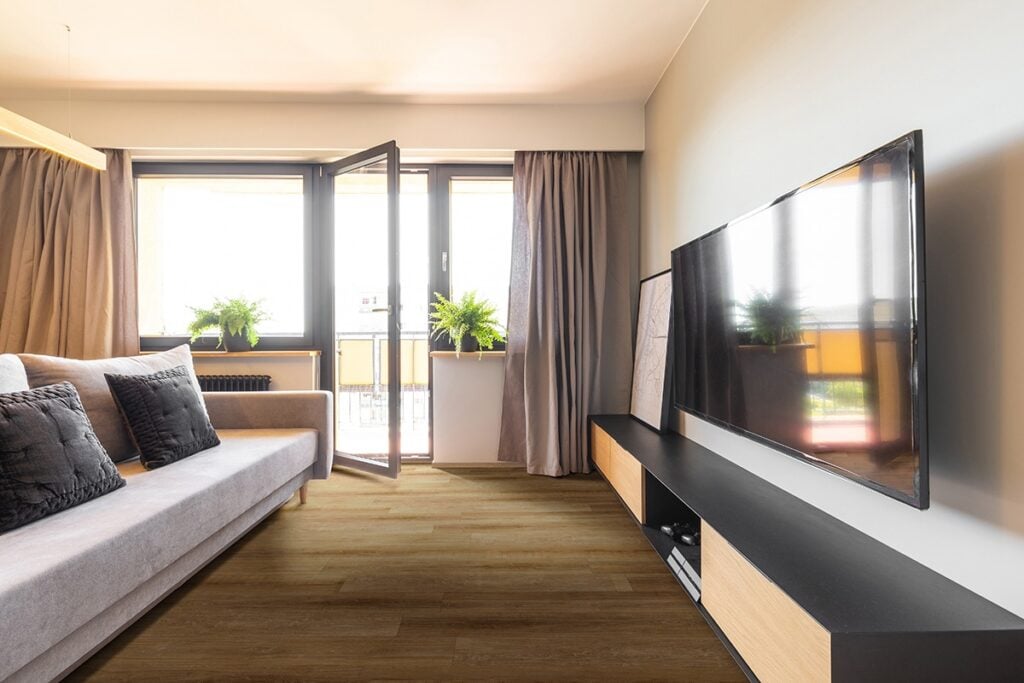
When you manage rental properties, flooring is not just a design choice. It is a financial decision. Every turnover, repair, and warranty call impacts your bottom line. Choosing the best luxury vinyl plank flooring for high-traffic rental properties can reduce maintenance costs, increase tenant satisfaction, and protect your investment long term. At The Flooring Supply, professionals and homeowners alike turn to high-quality flooring options that balance durability with value. Whether you are renovating single-family rentals in Greenville, upgrading multi-units in Atlanta, or managing properties across the USA, selecting the right LVP flooring is essential to controlling costs and maximizing return. This guide breaks down what to look for in LVP flooring for rentals, supported by research, industry standards, and practical contractor insight. Why LVP Flooring Dominates Rental Properties Luxury Vinyl Plank (LVP) flooring has become one of the most widely specified flooring materials in the United States. According to industry data from the Resilient Floor Covering Institute (RFCI) and reports from Floor Covering Weekly, resilient flooring, including LVP flooring, has been one of the fastest-growing categories in the flooring industry over the past decade. Its popularity is driven by durability, water resistance, and ease of installation. For rental properties, these benefits directly translate to operational advantages: Compared to engineered hardwood, LVP flooring typically requires less maintenance and offers better moisture performance, making it particularly well-suited for high-turnover rental environments. What Makes LVP Flooring Ideal for High-Traffic Rentals? High-traffic rental properties face unique stressors: The best luxury vinyl plank flooring for these conditions includes several key performance characteristics. 1. Wear Layer Thickness The wear layer is one of the most critical factors. For rental properties, professionals typically recommend: A thicker wear layer improves scratch resistance and long-term durability. According to ASTM testing standards used across the flooring industry, thicker wear layers provide greater resistance to abrasion and surface damage. For landlords and contractors focused on best value flooring, investing slightly more upfront in a stronger wear layer often reduces long-term replacement costs. 2. Core Construction and Stability Modern LVP flooring often uses rigid core technologies such as: SPC cores are especially popular in rental properties because they offer: For properties in humid climates like Atlanta, or in variable-seasonal environments in Greenville and Charlotte, rigid-core LVP flooring reduces expansion and contraction issues. 3. Waterproof Performance Moisture damage is one of the leading causes of flooring replacement in rental units. According to insurance industry data, water damage accounts for a significant percentage of property claims in residential buildings. LVP flooring offers waterproof surface protection when properly installed, making it ideal for: While engineered hardwood may offer aesthetic appeal, it is generally more vulnerable to moisture. For rental property managers seeking low-maintenance solutions, LVP flooring provides practical protection. 4. Ease of Installation and Replacement Time is money in rental properties. Every day a unit sits vacant impacts revenue. Click-lock LVP flooring systems allow for: For contractors looking to improve margins, faster install times increase job efficiency. For landlords, this reduces downtime between tenants. This is one reason wholesale flooring buyers continue to shift toward high-quality LVP flooring systems. ROI: The True Value of LVP Flooring in Rentals The return on investment for flooring in rental properties is not just about resale value. It is about: Research Insight According to the National Association of Realtors Remodeling Impact Report, new flooring consistently ranks among the most valuable interior upgrades in terms of appeal and return. While carpet often needs replacement every 3 to 7 years in rentals, LVP flooring can last significantly longer under proper conditions. When calculated across multiple tenant cycles, durable LVP flooring often lowers total lifecycle costs compared to carpet or lower-grade materials. For contractors running flooring businesses, positioning high-quality flooring as a long-term investment rather than a short-term expense builds client trust and repeat work. How to Choose the Best LVP Flooring for Rental Units Here is a professional checklist for selecting LVP flooring in high-traffic rental properties: Step 1: Match Wear Layer to Traffic Level Step 2: Choose Neutral, Market-Friendly Styles Neutral wood-look planks remain the most versatile choice. Studies on housing trends consistently show that neutral finishes appeal to a broader range of tenants and support faster leasing. Avoid overly trendy finishes that may reduce appeal in future tenant cycles. Step 3: Evaluate Locking System Quality A secure locking system reduces callbacks and warranty issues. Contractors should test sample boards before committing to bulk orders. Step 4: Consider Underlayment Integration Some LVP flooring products include attached underlayment, which: This can be particularly important in apartment properties where sound transmission is a concern. Comparing LVP Flooring to LVT Flooring and Engineered Hardwood While this article focuses on LVP flooring, rental property managers may also evaluate: LVT Flooring Luxury Vinyl Tile (LVT flooring) offers similar durability but is typically used for tile-look designs. Performance characteristics are comparable to LVP flooring when the wear layer and core construction are equal. Engineered Hardwood Engineered hardwood provides natural wood aesthetics, but: For luxury rentals, engineered hardwood may be appropriate. However, for high-turnover or budget-sensitive properties, LVP flooring often delivers better value. How Contractors Can Increase Profit with LVP Flooring For flooring professionals in Greenville, Atlanta, Charlotte, and across the USA, rental property renovations offer repeatable business opportunities. To increase margins: Contractors who position themselves as flooring advisors rather than installers often build stronger long-term relationships. Industry Innovation: Where LVP Flooring Is Headed Recent innovations in LVP flooring include: The flooring industry continues to refine performance standards, making modern LVP flooring more durable than earlier generations. For rental property owners, staying up to date on product improvements can enhance long-term asset performance. Why High Quality Flooring Matters in Rental Branding Flooring is one of the first features tenants notice during showings. Even in value-focused rentals, clean and durable flooring improves perceived property quality. In competitive rental markets like Greenville and Atlanta, modern LVP flooring can: This reinforces the idea that choosing the best value flooring is not about buying the cheapest product. It is about
Fixing Common Luxury Vinyl Tile Installation Mistakes
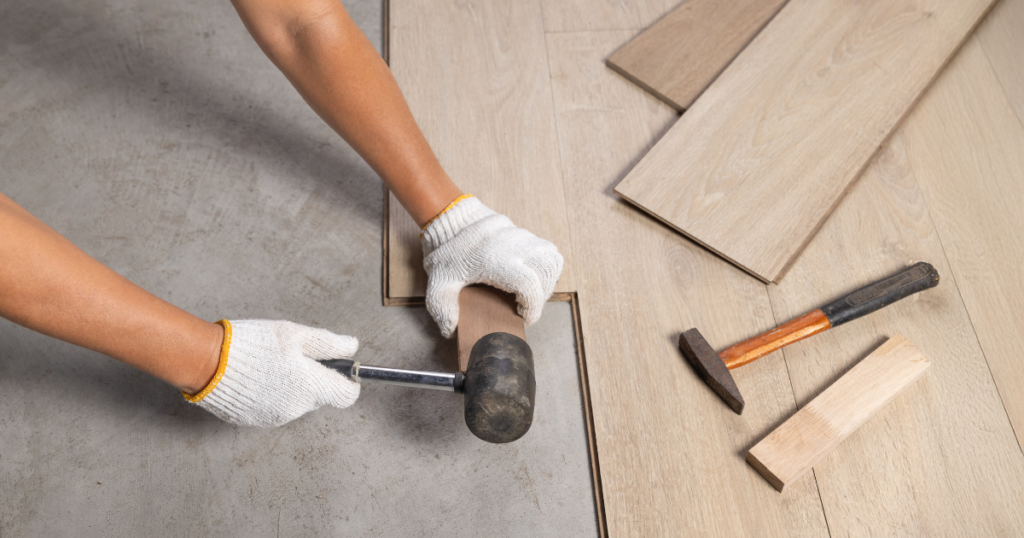
Luxury Vinyl Tile (LVT Flooring) has earned its place as one of the most practical and profitable flooring solutions in today’s market. For contractors, builders, and homeowners alike, it delivers durability, moisture resistance, and design flexibility at a competitive price point. But even high-quality flooring products can fail if installed incorrectly. At The Flooring Supply, we work with flooring pros and DIY homeowners across the country, from Flooring in Atlanta to Flooring in Greenville and beyond, who rely on proper installation to protect margins, timelines, and client satisfaction. In this guide, we’ll break down the most common luxury vinyl tile installation mistakes, how to fix them, and how to prevent them from happening on your next project. Why Proper LVT Installation Matters Luxury vinyl tile is engineered for performance, but it is not forgiving when shortcuts are taken. According to data from the Resilient Floor Covering Institute (RFCI), the majority of flooring failures are installation-related rather than product-related. Industry estimates suggest that over 70% of resilient flooring claims stem from improper subfloor preparation or moisture issues. In other words, installation quality directly affects: Whether you are installing LVT Flooring in a new build in Greenville or remodeling a home in Atlanta, avoiding these mistakes protects both your reputation and your bottom line. 1. Skipping Proper Subfloor Preparation The Problem One of the most common causes of LVT failure is inadequate subfloor prep. Luxury vinyl tile requires a flat, clean, and structurally sound substrate. Even small imperfections can telegraph through the surface over time. The ASTM F710 Standard Practice for Preparing Concrete Floors outlines the importance of smoothness, cleanliness, and dryness before installation. Ignoring these standards leads to: How to Fix It If you notice lippage, hollow spots, or uneven joints after installation: How to Prevent It 2. Ignoring Moisture Testing The Problem Concrete slabs release moisture for months after pouring. If moisture levels exceed acceptable limits, adhesives can break down and locking systems can weaken. The ASTM F2170 In-Situ Relative Humidity Test and ASTM F1869 Calcium Chloride Test are industry standards for measuring moisture vapor emission. Skipping this step is especially risky in humid regions like the Southeast, including Atlanta and Charlotte. How to Fix It If tiles are lifting or the adhesive is failing: How to Prevent It 3. Not Allowing Proper Acclimation The Problem Luxury vinyl products expand and contract slightly with temperature changes. Installing LVT directly from a cold truck or hot warehouse can lead to: Manufacturers typically recommend 48 hours of acclimation in the installation environment. How to Fix It If gapping occurs shortly after installation: How to Prevent It 4. Improper Layout Planning The Problem Poor layout planning leads to narrow cuts at walls, inconsistent grout lines (for glue-down LVT), or awkward transitions between rooms. This is particularly noticeable in high-visibility areas such as kitchens and open floor plans. How to Fix It If the layout imbalance is visible: How to Prevent It Professional installers understand that layout precision enhances perceived quality, especially when selling Best Value Flooring to discerning homeowners. 5. Incorrect Adhesive Use (Glue-Down LVT) The Problem Using the wrong adhesive or applying too much or too little causes bond failure. The RFCI and adhesive manufacturers emphasize the importance of open time, trowel size, and coverage rates. Common issues include: How to Fix It How to Prevent It 6. Failing to Maintain Expansion Gaps The Problem Even click-lock LVT Flooring requires perimeter expansion gaps. Blocking those gaps with tight baseboards or cabinetry causes buckling. This is common in DIY installs. How to Fix It How to Prevent It 7. Poor Transition Planning Luxury vinyl tile often meets other materials, such as tile or Engineered Hardwood. Without proper transitions: How to Fix It How to Prevent It 8. Rushing the Job Time pressure leads to: According to industry contractor surveys, rework due to installation errors can cost up to 15% of project profit. For professionals focused on profit margins, especially those sourcing Wholesale Flooring or Discount Flooring, avoiding callbacks is critical. Prevention Strategy for Contractors Industry Innovation and Installation Standards Modern LVT Flooring has evolved significantly. Enhanced locking systems, thicker wear layers, and improved backing technologies make today’s products more durable than earlier generations. However, innovation does not eliminate the need for standards. The ASTM F1700 classification system defines performance levels for solid vinyl tile, including thickness and wear-layer durability. Understanding product classifications helps contractors select the Best Flooring for each environment. Higher wear layers may improve scratch resistance, but installation precision remains the determining factor in long-term performance. The Business Case for Getting Installation Right For contractors and flooring professionals, correct installation supports: In competitive markets like Flooring in Greenville or Flooring in Atlanta, reputation drives repeat business. Homeowners investing in high-quality flooring expect professional results. Installation excellence reinforces perceived value and protects resale appeal. Choosing the Right Materials from the Start Many installation issues begin with the use of inconsistent or low-grade materials. Reliable sourcing ensures: At The Flooring Supply, professionals and homeowners can access carefully selected LVP, LVT, and Engineered Hardwood options, all of which are shipped nationwide. With a growing home base in Greenville and strong ties to Atlanta and Charlotte markets, the company supports contractors seeking dependable supply chains and Best Value Flooring options. Quality materials, paired with proper installation, create durable results. Final Installation Checklist Before closing out any LVT project: A disciplined checklist reduces costly errors. Protect Your Flooring Investment with the Right Approach Luxury vinyl tile offers durability, design flexibility, and a strong return on investment, but only when installed correctly. Most failures stem from preventable mistakes. Whether you are a contractor building your flooring business or a homeowner upgrading your space, taking the time to follow industry standards protects both performance and profit. If you are sourcing high-quality flooring or seeking dependable Wholesale Flooring options backed by professional insight, explore https://theflooringsupply.com/ to find materials designed to perform as they should when installed properly.