
What Makes a Flooring Supplier Trustworthy? 7 Things to Look For
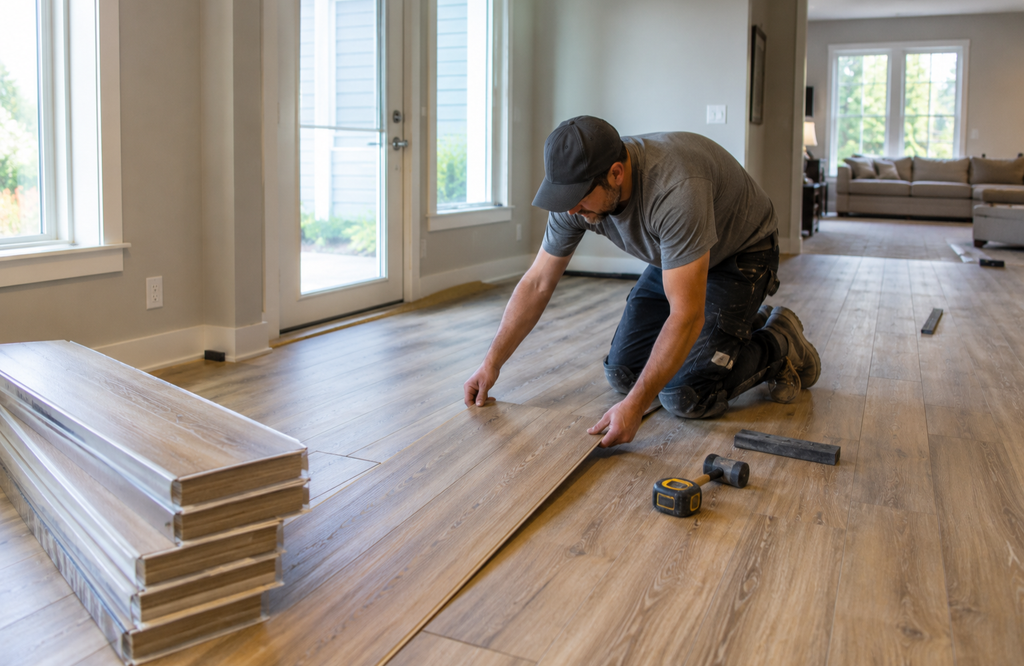
Whether you’re a flooring contractor managing multiple installations or a homeowner investing in a renovation, choosing the right flooring supplier matters just as much as choosing the flooring itself. A supplier doesn’t simply provide products; they influence project timelines, installation quality, costs, and customer satisfaction. With so many companies offering flooring, LVP flooring, engineered hardwood, and other materials, it can be difficult to know which supplier deserves your business. At The Flooring Supply, the goal is simple: help professionals and homeowners find high-quality flooring at competitive prices while making the buying process easier. Here are seven qualities that separate a trustworthy flooring supplier from the rest. 1. They Offer Consistently High-Quality Flooring Price matters, but quality should always come first. Reliable suppliers carefully choose the manufacturers they work with and stand behind the products they sell. Whether you’re buying luxury vinyl plank (LVP flooring), luxury vinyl tile (LVT flooring), or engineered hardwood, consistency is important. A quality flooring product should offer: The lowest-priced flooring isn’t always the best value if it needs replacing years earlier than expected. Research from the National Institute of Standards and Technology (NIST) shows that material quality significantly affects the overall life-cycle cost of building products, making durability an important part of long-term value rather than simply an upfront expense. 2. They Understand Both Contractors and Homeowners Professional flooring installers and DIY homeowners have different needs. Contractors often prioritize: Homeowners usually focus on: A trustworthy supplier understands both audiences and provides the appropriate level of support instead of offering a one-size-fits-all experience. For flooring professionals working throughout Greenville, SC, Atlanta, GA, Charlotte, NC, and along the I-85 corridor, efficiency can mean completing more projects each year. 3. They Keep Inventory Available Nothing delays a flooring project faster than discovering the product is backordered after the installation date has already been scheduled. Reliable suppliers invest in inventory management so customers know what is available before placing an order. They also communicate clearly when: According to research from the Association for Supply Chain Management (ASCM), inventory visibility and transparent communication reduce costly project delays and improve customer satisfaction across construction-related industries. When your flooring supplier can provide dependable timelines, scheduling installers and coordinating other trades becomes much easier. 4. They Make Buying Easy Ordering flooring shouldn’t feel complicated. Modern suppliers simplify the process through: For contractors, every hour spent chasing product availability is time that isn’t spent generating revenue. This is one reason The Flooring Supply developed its proprietary Pro Portal, which helps professionals order flooring more efficiently and ship products directly to job sites. Simplifying purchasing saves time, and for many businesses, time directly affects profitability. 5. They Provide Honest Pricing Everyone wants discount flooring, but hidden fees and confusing pricing often erase those savings. Trustworthy suppliers are transparent about: Instead of advertising unrealistic discounts, they explain the actual value customers receive. Wholesale pricing should still come with dependable service, knowledgeable support, and quality products. The best flooring supplier helps customers understand exactly what they’re paying for before they commit. 6. They Share Product Knowledge Instead of Sales Pressure Good suppliers educate. Great suppliers become trusted resources. Whether someone is deciding between engineered hardwood and LVP flooring, choosing the right wear layer, or understanding moisture requirements, knowledgeable guidance helps customers make better decisions. Educational content also reduces costly installation mistakes. Research published in the Journal of Construction Engineering and Management has found that better communication and information sharing throughout construction projects lead to fewer errors and better outcomes. Customers return repeatedly to suppliers who answer questions honestly rather than pushing the most expensive option. 7. They Build Long-Term Relationships The best suppliers don’t focus on one transaction. They focus on earning repeat business. Contractors especially benefit from suppliers who understand how their businesses operate. This may include: For homeowners, trust often means knowing they’ll receive help even after installation if questions arise. Relationships built on reliability typically create better experiences than constantly switching suppliers to save a few dollars on each order. Why Local Expertise Still Matters Although many flooring suppliers can ship nationwide, local expertise remains valuable. Businesses familiar with markets like Greenville, Atlanta, and Charlotte understand regional construction trends, popular flooring styles, transportation logistics, and contractor needs. At the same time, nationwide drop shipping allows projects across the United States to receive the same level of service. The combination of local knowledge and national fulfillment provides flexibility without sacrificing reliability. Choosing the Best Value Flooring Finding the best value flooring isn’t about purchasing the cheapest product available. Instead, consider the complete experience: When those answers are yes, you’ve likely found a supplier worth working with. Partner with a Flooring Supplier You Can Count On Whether you’re installing flooring every week or renovating your own home, choosing the right supplier affects every stage of the project. The Flooring Supply is committed to providing high-quality flooring, competitive pricing, dependable service, and efficient ordering solutions for contractors and homeowners alike. From LVP and LVT flooring to engineered hardwood, we focus on making flooring purchases easier while delivering lasting value. If you’re looking for a trusted partner serving Greenville, SC, Atlanta, GA, Charlotte, NC, and customers nationwide, visit https://theflooringsupply.com/ to explore available flooring products and discover how a dependable supplier can simplify your next project.
The Hidden Costs of Choosing Cheap Flooring Materials
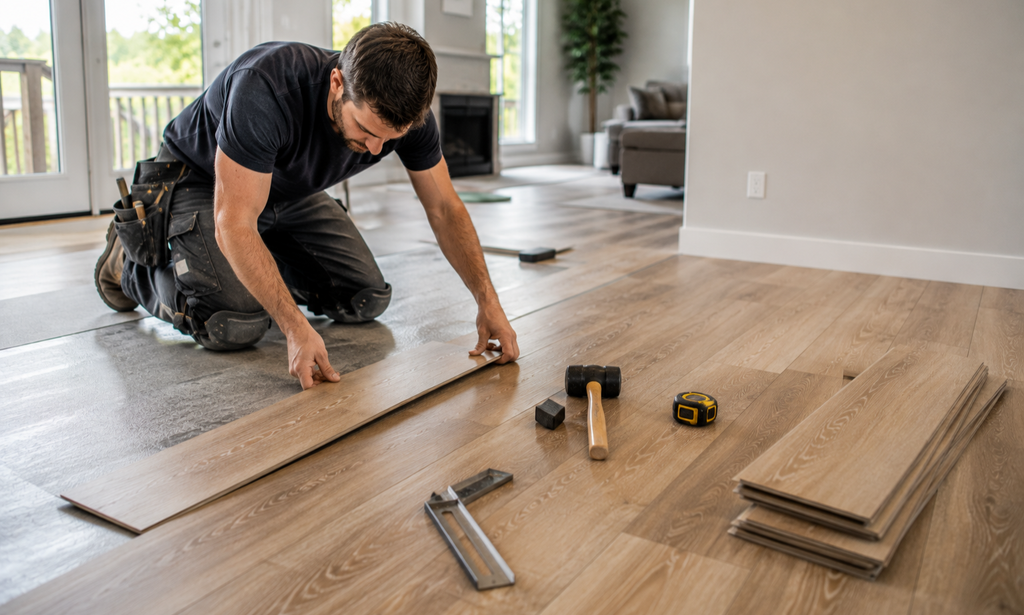
When comparing flooring products, it’s easy to focus on the price tag. Whether you’re a homeowner planning a renovation or a contractor estimating a project, lower-cost materials may seem like the best deal. But the purchase price is only one part of the equation. The real cost of flooring includes durability, maintenance, installation, replacement frequency, and customer satisfaction. Choosing lower-quality products can lead to unexpected expenses that outweigh the initial savings. At The Flooring Supply, professionals and homeowners alike have access to high-quality flooring at competitive prices, making it possible to balance cost with long-term performance. From LVP and LVT to engineered hardwood, choosing the right product from the start often delivers better value over the life of the floor. The Lowest Price Doesn’t Always Mean the Lowest Cost Budget flooring products often reduce manufacturing costs by using thinner wear layers, lower-quality cores, or less durable finishes. While these differences may not be obvious during installation, they usually become noticeable after months or years of regular use. A floor that scratches easily, develops gaps, or requires early replacement can quickly erase any savings from choosing the cheapest option. Instead of asking: “How much does this flooring cost today?” A better question is: “How much will this flooring cost over the next 10 to 20 years?” That perspective often changes the decision. 1. Earlier Replacement One of the largest hidden expenses is replacing flooring sooner than expected. Lower-quality flooring is generally more susceptible to: Replacing flooring means paying for: For contractors, premature failures may also result in warranty discussions or damage to client relationships. According to research from the National Institute of Standards and Technology (NIST), evaluating products using life-cycle cost analysis rather than purchase price alone often results in lower long-term ownership costs because maintenance, replacement, and service life significantly influence overall value. 2. Increased Maintenance Not all flooring requires the same level of maintenance. Some inexpensive products require: Higher-quality LVP flooring and LVT flooring are designed to resist stains, moisture, and everyday wear, reducing ongoing maintenance. For busy homeowners and property managers, fewer maintenance requirements translate into lower long-term costs and less disruption. The U.S. Environmental Protection Agency also notes that choosing durable building materials can reduce waste generation and the environmental impact of frequent replacement. 3. Installation Problems Cheap flooring doesn’t only affect performance; it can also affect installation. Contractors often encounter issues such as: These problems increase installation time and material waste. For professionals, extra labor reduces profitability. For homeowners, longer installations often mean additional labor costs. Reliable products help installers complete projects more efficiently while delivering consistent results. 4. Lower Property Appeal Flooring plays a significant role in how buyers perceive a home. Worn, damaged, or outdated flooring can make an otherwise well-maintained property feel older than it actually is. Conversely, quality flooring creates: The National Association of Realtors’ Remodeling Impact research consistently finds that flooring improvements rank among the projects homeowners appreciate most for both enjoyment and resale appeal. While flooring alone won’t determine home value, it often influences how buyers evaluate a property’s overall condition. 5. Reduced Customer Satisfaction For flooring professionals, every completed project can lead to future referrals. If inexpensive materials begin failing after installation, customers may blame the installer rather than the product. Quality flooring helps contractors: Using dependable materials isn’t simply about today’s project; it’s about protecting tomorrow’s opportunities. Why LVP Flooring Often Delivers Better Value Luxury Vinyl Plank has become one of the fastest-growing flooring categories for good reason. Modern LVP flooring combines attractive design with practical performance. Benefits include: Rather than choosing the least expensive vinyl available, many contractors focus on products that balance affordability with long-term durability. That approach often produces fewer issues after installation. Engineered Hardwood: A Long-Term Investment For homeowners seeking genuine wood aesthetics, engineered hardwood offers advantages over many lower-cost alternatives. Quality engineered hardwood provides: Although the initial investment may be higher than budget flooring, its longevity often improves overall value. Wholesale Flooring Can Reduce Costs Without Sacrificing Quality Saving money doesn’t always mean buying the cheapest product. A better strategy is purchasing high-quality flooring through a trusted wholesale supplier. This lets contractors and homeowners access premium products at competitive prices while avoiding many of the performance issues associated with low-end materials. The Flooring Supply simplifies this process by connecting customers with trusted flooring options and helping professionals source products efficiently through its proprietary Pro Portal. Whether you’re managing multiple installations or renovating a single home, wholesale pricing can make premium flooring far more accessible. How to Identify Better Value Flooring Instead of comparing only price, consider these factors: These characteristics often provide a clearer picture of overall value than price alone. Choosing Flooring That Pays Off Every flooring project represents an investment. The goal isn’t simply to spend less today; it’s to avoid spending more tomorrow. For homeowners, that means fewer repairs, lower maintenance, and flooring that continues looking good for years. For contractors, it means smoother installations, fewer callbacks, happier customers, and stronger business growth. When evaluating flooring, the best value usually comes from products that balance quality, durability, and competitive pricing, not simply the lowest sticker price. Build Long-Term Value with The Flooring Supply Whether you’re installing flooring in a single home or sourcing materials for multiple projects across Greenville, SC, Atlanta, GA, Charlotte, NC, and communities throughout the I-85 corridor, choosing the right products makes a lasting difference. The Flooring Supply offers high-quality LVP flooring, LVT flooring, engineered hardwood, and other discount flooring solutions designed for professionals and homeowners who want dependable performance without paying unnecessary premiums. With nationwide drop shipping and a contractor-focused Pro Portal, they help simplify flooring procurement while delivering exceptional value. Learn more and explore available flooring options at https://theflooringsupply.com/.
What Is a Vinyl Flooring Wholesaler and Why Should You Buy From One?
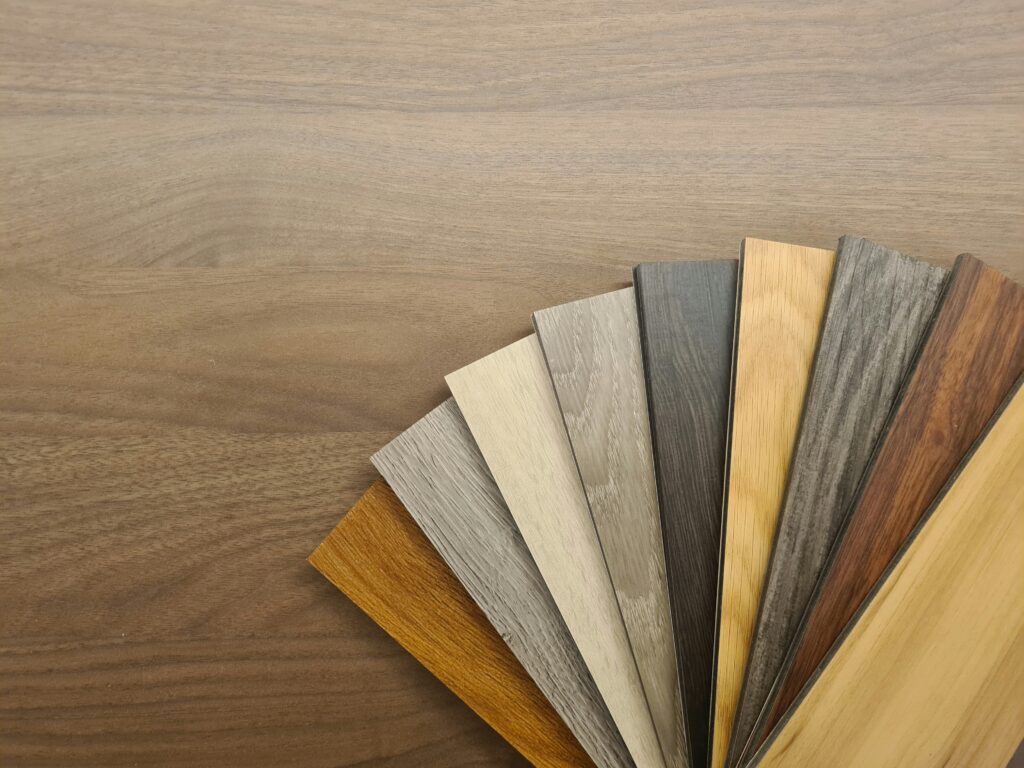
If you’ve ever priced out flooring for a major renovation, you already know how fast costs can spiral. Retail markups stack layer upon layer by the time a product reaches a store shelf. You’re paying for the storefront, the display models, the advertising, and the staff, and none of that adds a single thing to your floor. That’s exactly where a vinyl flooring wholesaler changes the game. What Is a Vinyl Flooring Wholesaler? A vinyl flooring wholesaler is a supplier that purchases products directly from manufacturers and resells them at significantly lower prices than traditional retail. They operate without the overhead of a brick-and-mortar showroom, and that savings passes straight to the buyer. Most wholesalers work with contractors, builders, property managers, and interior designers. But here’s something a lot of people miss: homeowners can access the same pricing, and often the same product catalog, too. How Wholesale Stacks Up Against Retail Shopping at a big-box home improvement store is convenient, but you’re absorbing every cost in the supply chain. A vinyl flooring wholesaler removes most of those layers. Retail Store Vinyl Flooring Wholesaler Price per sq. ft. Higher, with multiple markups Lower, closer to manufacturer cost Product range Limited to shelf inventory Wider, including commercial-grade vinyl Dye lot consistency Stock rotates frequently Larger batches for room-to-room matching Who can buy General public Contractors, businesses, and homeowners Why Vinyl Flooring Is the Smart Wholesale Choice Vinyl has become one of the most practical flooring materials in both residential and commercial spaces. Luxury Vinyl Plank (LVP) and Luxury Vinyl Tile (LVT) deliver a look that rivals real hardwood or stone, while being fully waterproof and significantly more durable under everyday wear. When you buy vinyl flooring wholesale, you’re getting that same high-performance product without the inflated price tag attached to retail. The Advantages Most Buyers Don’t Know About Beyond the obvious cost savings, there are real benefits to going wholesale that most buyers overlook: Who Actually Benefits From Buying Wholesale? You don’t need a contractor’s license to buy wholesale vinyl flooring. It’s a practical option for: The more square footage you’re covering, the more the savings compound. And with vinyl being one of the most durable, low-maintenance flooring types available today, buying it at wholesale pricing is simply good planning. Your One-Stop Source for Quality Vinyl Flooring Solutions At The Flooring Supply, we bring wholesale vinyl flooring directly to contractors, builders, designers, and homeowners across the country. Our catalog includes Luxury Vinyl Plank (LVP), Luxury Vinyl Tile (LVT), and Engineered Hardwood flooring, all sourced directly from manufacturers so our prices stay consistently competitive. Whether you’re outfitting a single home or managing a large commercial project, our team works with you to match the right product to your space, style, and budget. We maintain large, ready-to-ship inventory so your order moves fast, without the delays that come with rotating retail stock. From waterproof options for bathrooms and kitchens to heavy-duty commercial vinyl built for high-traffic spaces, we’ve got you covered. Ready to save on your next flooring project? Visit The Flooring Supply and explore our wholesale catalog. Get a free quote today and let our team get you started. Frequently Asked Questions Q1. What is a vinyl flooring wholesaler? A – A vinyl flooring wholesaler buys products directly from manufacturers and resells them at reduced prices, skipping retail markups to offer contractors, homeowners, and commercial buyers more affordable flooring options. Q2. Is wholesale vinyl flooring cheaper than retail? A – Yes, wholesale vinyl flooring is almost always cheaper than retail. Buying directly from a wholesaler removes all extra markups, meaning lower prices per square foot for your entire project. Q3. Can homeowners buy from a vinyl flooring wholesaler? A – Absolutely, homeowners can buy from a vinyl flooring wholesaler. Many wholesalers now sell directly to the public, making it easy for anyone to access commercial-quality flooring at competitive prices. Q4. What types of vinyl flooring are available from wholesalers? A – Wholesalers carry luxury vinyl plank, luxury vinyl tile, SPC, and WPC flooring. These products cover residential and commercial grades, offering a wider selection than most retail showrooms typically stock. Q5. How do I find a reliable vinyl flooring wholesaler? A – To find a reliable vinyl flooring wholesaler, look for suppliers with transparent pricing, consistent inventory, strong customer reviews, and verified direct manufacturer relationships that guarantee product quality and consistency.
Discount Vinyl Tile Flooring vs. Ceramic Tile: Which Is Worth It?
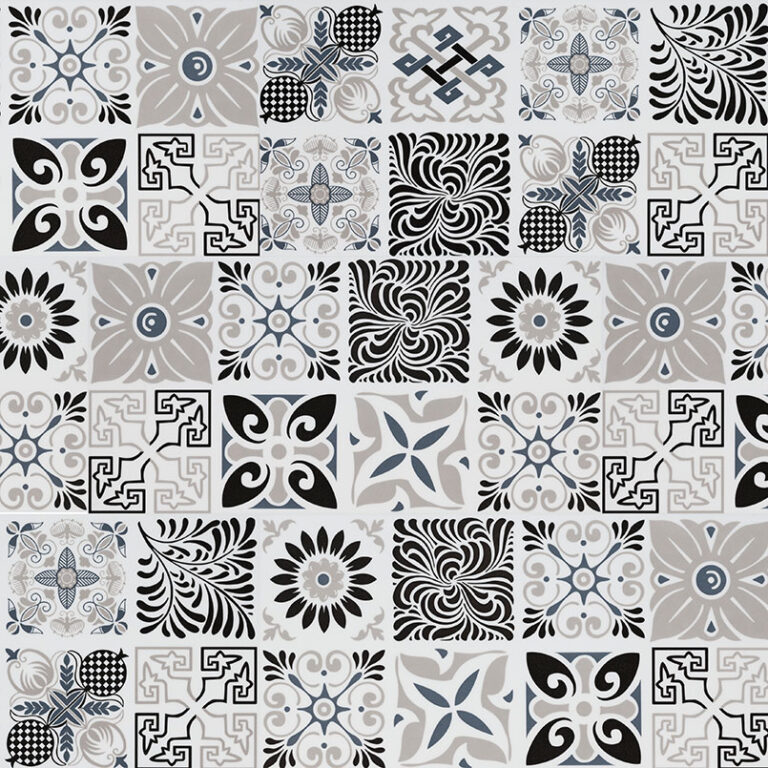
Choosing between discount vinyl tile flooring and ceramic tile sounds like a simple budget question. But it’s really a performance decision, and the wrong choice can cost you far more in repairs and replacements down the line than any initial price gap. Here’s what most comparison guides skip over. What “Discount” Actually Means in Vinyl Tile Many buyers assume “discount” means lower quality. That’s rarely the full story. Discount vinyl tile flooring often comes from overstock inventory, discontinued color lines, or bulk manufacturing agreements. The product specs stay the same. Only the retail price changes. The real quality indicator is the wear layer, rated in mils (thousandths of an inch). A 12-mil wear layer handles everyday residential traffic comfortably. At 20 mils and above, you’re working with commercial-grade durability at a residential price point. When you’re browsing discount vinyl tile flooring, the mil rating tells you far more than the sale tag ever will. Where Ceramic Tile Has the Edge Ceramic tile has held its ground for decades, and for good reason: There’s a hidden cost most buyers don’t account for upfront. Ceramic needs a near-rigid, perfectly level subfloor. Even minor flexing or structural movement leads to cracked tiles over time. That means subfloor preparation can silently add hundreds of dollars to your project before the first tile ever goes down. Where Vinyl Tile Gets It Right Discount vinyl tile flooring has genuinely closed the gap with ceramic in ways that often surprise first-time buyers: Here’s the detail that really adds up over time: vinyl tile has no grout. Grout maintenance with ceramic becomes a consistent chore, especially in kitchens and bathrooms where moisture is a daily factor. A Factor Most Buyers Overlook: Thermal Flexibility Vinyl tile handles temperature shifts better than ceramic. It has a slight natural give, which means it won’t stress-fracture in rooms that experience regular temperature swings, like sunrooms, garages, or spaces with radiant floor heating. Ceramic is rigid, and that rigidity works against it in thermally variable rooms. This is one reason vinyl tile consistently outperforms ceramic in certain spaces, even at a discount price point. Comparison of Discount Vinyl Tile and Ceramic Tile Factor Discount Vinyl Tile Ceramic Tile Material cost per sq ft $0.50 to $3 $1 to $7 Installation cost per sq ft $1 to $3 $4 to $8 Subfloor prep needed Minimal Often required Lifespan 10 to 25 years 30 to 50+ years DIY friendly Yes Moderate to difficult Grout maintenance None Regular upkeep needed Thermal flexibility High Low So Which One Is Worth It? It comes down to the room and your long-term plan for it. Busy family kitchens, primary bathrooms, and homes where resale value is a priority tend to benefit from ceramic’s durability and longevity. Rental properties, finished basements, laundry rooms, and time-sensitive renovation projects are where discount vinyl tile flooring consistently earns its reputation. The best floor isn’t the most expensive one. It’s the one that fits the space, works for the household, and doesn’t leave your renovation budget stretched thin. Discover Your Ideal Flooring Solution for Every Space and Budget At The Flooring Supply, we make it easy to find the right flooring for every room, every budget, and every lifestyle. Whether you’re comparing discount vinyl tile flooring or browsing our ceramic and porcelain tile collections, our team is here to help you choose with confidence. We carry a broad range of flooring products, from durable luxury vinyl tiles to long-lasting ceramic and porcelain options. Our goal is to offer quality materials at competitive prices, so you never have to compromise performance for affordability. We also provide knowledgeable guidance to help you understand wear ratings, installation requirements, and long-term care for every product we offer. From busy kitchens to finished basements and laundry rooms, our flooring solutions are built to perform. Ready to find your perfect floor? Explore our website today and let our team help you get started. Frequently Asked Questions Q1. What is the main difference between discount vinyl tile flooring and ceramic tile? A – Discount vinyl tile flooring is flexible, budget-friendly, and far easier to install, while ceramic tile tends to be harder, more durable, and better suited for high-traffic or wet areas. Q2. Is discount vinyl tile flooring waterproof? A – Yes, most discount vinyl tile flooring is 100% waterproof, making it a naturally smart pick for bathrooms, kitchens, and laundry rooms where moisture and daily spills are very common. Q3. How long does vinyl tile flooring last compared to ceramic? A – Vinyl tile flooring typically lasts 10 to 25 years depending on wear layer quality, while ceramic tile can last 50 years or more with proper care and regular maintenance. Q4. Can vinyl tile flooring be installed over existing flooring? A – Yes, vinyl tile flooring can often be installed directly over existing floors as long as the surface is clean, flat, and completely free of major damage or uneven spots. Q5. Which flooring is better for a kitchen, vinyl tile or ceramic tile? A – Both work well in kitchens, but vinyl tile flooring is softer underfoot and easier to install, while ceramic tile typically offers greater durability and heat resistance for high-use kitchens.
Who Offers Bulk Discounts on Luxury Vinyl Tile Flooring?
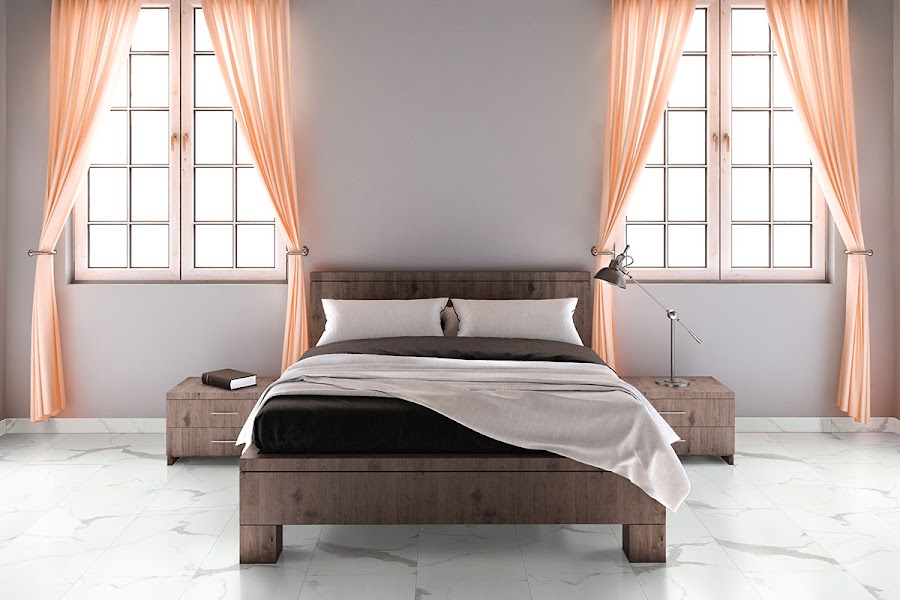
When you’re managing a large renovation project, outfitting multiple rental units, or running a commercial build-out, the cost per square foot of flooring becomes a very real number very fast. Luxury vinyl tile (LVT) has become the go-to choice for many contractors, property managers, and homeowners, and for good reason. It’s waterproof, durable, and looks incredible. But here’s what most buyers don’t realize: the price on the tag isn’t always the price you have to pay. Bulk purchasing unlocks a whole different tier of pricing, one that isn’t advertised on a product page and often requires you to ask the right questions to the right people. Why Bulk Discounts on LVT Are More Accessible Than You Think Luxury vinyl tile pricing moves in tiers. Manufacturers and distributors price their inventory based on volume commitments, not just product selection. When a buyer commits to 500, 1,000, or 5,000+ square feet, that’s a meaningful inventory move for a supplier, and they’re often willing to pass savings down the chain. Industry insight: Most LVT distributors start offering tiered pricing at orders of 500 sq ft or more. Some specialty suppliers have MOQs (minimum order quantities) as low as a single pallet, roughly 50-80 boxes, depending on the product. What makes LVT bulk buying particularly strategic is its long shelf life and installation consistency. Unlike natural stone or hardwood, LVT doesn’t warp, shrink, or degrade in standard storage conditions. Buying more than you immediately need isn’t a risk; it’s often a smart hedge against future dye-lot mismatches and price increases. What to Look for in a Bulk LVT Supplier Before you commit to any supplier for a large-volume order, there are a few things worth checking: PRO TIP Always request a breakout of cost-per-square-foot at different quantity thresholds. Many suppliers don’t publish this publicly — it’s negotiated on inquiry. A 20% price reduction at the 1,000 sq ft tier vs. 500 sq ft can easily cover freight costs on large jobs. Several types of businesses offer competitive bulk pricing on LVT — from online flooring specialists to regional distributors and trade-focused suppliers. Here’s a breakdown of the most credible options worth exploring: Supplier Best For Bulk Program Highlights The Flooring Supply Contractors, commercial buyers, large residential projects Top Pick — Trade pricing, volume discounts, wide LVT selection with consistent dye lots Floor & Decor DIY homeowners, mid-scale contractors Pro desk available for trade accounts; store-level bulk availability varies BuildDirect Online bulk buyers Direct-from-manufacturer pricing model; pallet-based ordering with free shipping thresholds Lumber Liquidators / LL Flooring Residential bulk buyers Seasonal promotions + bulk pricing available in-store and online for larger square footage orders Local Flooring Distributors Trade professionals and builders Often the most flexible for negotiated pricing, especially for repeat buyers or regional contractors It’s worth noting that the type of buyer matters as much as the volume. Trade professionals and commercial buyers often unlock better pricing tiers than retail customers, even at the same square footage, because suppliers value ongoing relationships over one-time transactions. Hidden Ways to Maximize Your Savings on Bulk LVT Beyond the obvious volume discount, there are a few lesser-known strategies that experienced flooring buyers use: What Thickness and Wear Layer Mean for Bulk Pricing Not all LVT is priced equally, and understanding specs helps you buy smarter in bulk. The wear layer (measured in mils) is one of the biggest cost drivers. A 12-mil wear layer is standard residential; 20-mil and above is commercial-grade. Bulk orders of higher-mil products cost more per box but deliver far longer life in high-traffic spaces. Total thickness from 4mm to 8mm+ also affects pricing, acoustic performance, and subfloor tolerance. Thicker planks typically require less subfloor prep, which can offset the higher per-square-foot cost on larger jobs. BUYER’S INSIGHT For commercial or multi-family projects, always specify the wear layer in your bulk quote request. Suppliers often have two or three inventory tiers for the same visual style at different wear layer specs, and prices can vary by 40% or more between them. Frequently Asked Questions Q1. What is the minimum order quantity to qualify for bulk discounts on luxury vinyl tile? Bulk discounts on luxury vinyl tile flooring typically begin at 500 square feet, with deeper pricing tiers unlocked at 1,000 sq ft and above, depending on the supplier’s volume structure. Q2. Are bulk LVT discounts available to homeowners, or only to contractors? Bulk discounts on LVT are available to both homeowners and contractors. However, trade account holders often access steeper tiers, so verifying a professional account status is worth doing upfront. Q3. Does buying luxury vinyl tile in bulk affect the dye lot consistency? Buying luxury vinyl tile in bulk from a single order typically protects dye lot consistency. Splitting orders across different shipments or dates increases the risk of visible color variation between batches. Q4. Can I return unused LVT boxes bought in a bulk order? Return policies on bulk LVT orders vary widely by supplier. Many accept sealed, unopened boxes within a set window, though restocking fees may apply — always confirm return terms before finalizing a large purchase. Q5. How do I calculate how much luxury vinyl tile I need to qualify for a bulkdiscount? Measure your total square footage, add a 10% waste buffer for cuts and layout, then compare against supplier discount thresholds. For multi-room projects, combining all areas into one order maximizes your bulk discount eligibility. Your Trusted Source for Bulk LVT Flooring The Flooring Supply is a specialized flooring destination built for buyers who take their projects seriously. Whether you’re outfitting a single home or managing a commercial renovation across multiple floors, our team offers volume pricing on premium luxury vinyl tile with consistent dye lot availability, trade account options, and expert guidance on product selection. Our catalog covers a wide range of LVT styles, wear layer specs, and thickness profiles suited for both residential and commercial applications. From contractor pricing programs to seamless bulk ordering, we simplify the process of getting high-quality flooring at
The Best Way to Clean LVP Flooring — Without Wrecking It
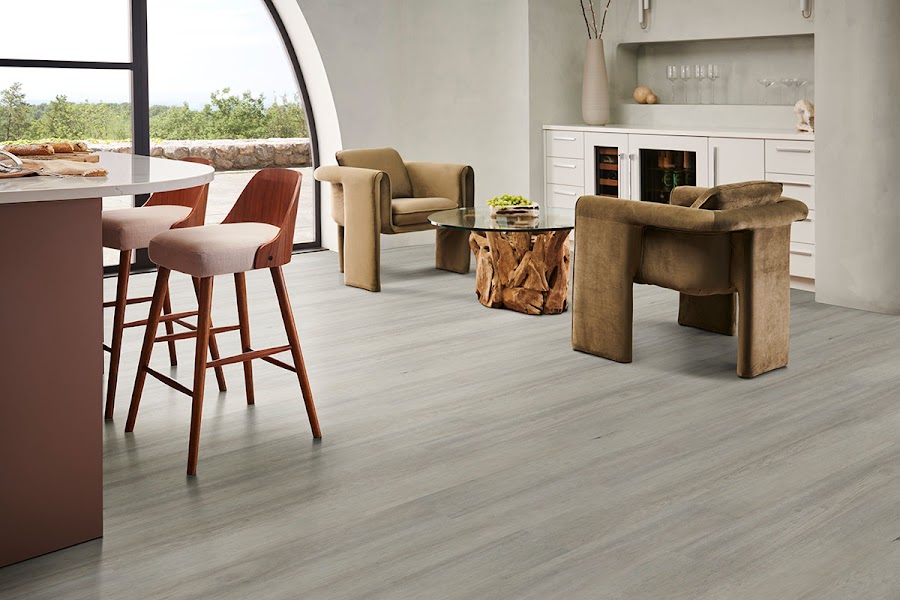
Luxury vinyl plank flooring has earned its popularity; it’s waterproof, scratch-resistant, and looks stunning in almost any room. But here’s what most cleaning guides skip: LVP has a wear layer that can be permanently compromised by the wrong cleaning method. That wear layer is what keeps your floor looking brand new for 15–25 years. Damage it, and you’re looking at premature dullness, micro-scratches, and a floor that can’t be refinished. So let’s go beyond the basics. You deserve to know the real science behind keeping LVP clean, not just ‘sweep and mop. Why LVP cleaning is different from other floors LVP is a synthetic flooring product made of multiple layers, including a rigid core, a printed design layer, and a protective wear layer on top. Unlike hardwood, you can’t sand it. Unlike tile, the grout lines aren’t an issue. But that wear layer is sensitive to alkaline cleaners and abrasive tools in ways most homeowners don’t realize. Your cleaning routine at a glance Task Frequency Best Tool Dry sweep or dust mop Daily Microfiber dust mop Damp mop with pH-neutral cleaner Weekly Spray mop or wrung-out flat mop Targeted stain treatment As needed Soft cloth + isopropyl alcohol Deep clean (high-traffic areas) Monthly Microfiber mop + LVP-safe cleaner The right way to damp mop LVP flooring The number one mistake people make is using a soaking-wet mop. Even though LVP is waterproof on the surface, excess water that seeps into the seams can cause the planks to swell, buckle, or develop mold underneath. The mop should be damp, not dripping. Here’s a method that actually works: Stubborn stains: What actually works Not all stains respond the same way. Here’s a quick breakdown: What to avoid — the dos and don’ts Do This Avoid This Use a microfiber mop Steam mops (heat warps LVP) Stick to pH-neutral cleaners Vinegar or bleach solutions Place felt pads under furniture Wax or polish products Sweep daily in pet homes Abrasive scrubbing pads Use a vacuum on hard floor mode Wet mops with standing water One thing worth mentioning: vinegar is widely recommended online as a natural floor cleaner, but it’s mildly acidic (pH 2–3). Repeated use strips the finish off LVP over time. The floor might look clean, but it’s slowly losing its protective coating. Protecting your LVP between cleanings Good cleaning habits are only half the battle. Prevention does more than any mop ever could: Frequently asked questions Q1 What is the best way to clean LVP flooring on a daily basis? The best way to clean LVP flooring daily is by using a dry microfiber dust mop to remove dirt and debris. This prevents grit from scratching the wear layer and keeps the surface looking fresh without any moisture damage. Q2 Can you use a steam mop on LVP flooring? Steam mops should never be used on LVP flooring. The intense heat and moisture can warp the planks, weaken adhesive bonds, and permanently damage the wear layer, voiding most manufacturer warranties in the process. Q3 Is vinegar safe to clean LVP floors? Vinegar is not recommended for cleaning LVP floors. Its acidic pH gradually strips the protective finish, dulling the surface over time. A pH-neutral cleaner specifically formulated for luxury vinyl plank flooring is the safer, manufacturer-approved alternative. Q4 How do you remove scuff marks from LVP flooring? Removing scuff marks from LVP flooring is straightforward, gently rub the affected area with a pencil eraser or a soft cloth lightly dampened with isopropyl alcohol. Avoid harsh scrubbing, which can leave dull patches on the wear layer. Q5 How often should LVP flooring be deep cleaned? LVP flooring benefits from a deep clean once a month in high-traffic areas. Use a damp microfiber mop with a pH-neutral LVP cleaner, working along the plank direction to avoid streaking and seam saturation. Your One-Stop Shop for Premium Flooring Solutions and Expert Care When it comes to selecting and caring for your LVP floors, having access to the right products and expert advice makes all the difference. The Flooring Supply is a trusted resource for homeowners and contractors looking for premium flooring materials from luxury vinyl plank to hardwood, tile, and laminate. Our product range is carefully curated to support long-lasting, beautiful installs backed by knowledgeable service. Whether you’re sourcing LVP-safe cleaning solutions, underlayment, or replacement planks, we’ve got you covered at every stage of your flooring project, from purchase to maintenance. Ready to protect your investment and keep your floors performing at their best? Explore our Luxury Vinyl Tiles, Engineered Hardwood products and get started today.
Best Flooring Options for Multi-Family Builds

Multi-family flooring decisions are rarely about what looks good in a sample board. They’re about what still looks good after move-ins, furniture slides, cleaning crews, and turnover while keeping noise complaints down and install schedules on track. If you build, renovate, or manage properties along the I-85 corridor (Greenville to Atlanta to the Charlotte region and everywhere in between), you already know the stakes: one bad flooring choice can create a repeat problem across dozens or hundreds of units. The good news is you don’t need “fancy” to get high-quality flooring. You need the right product for each space, a clear spec, and a supply plan that keeps jobs moving. Below is a practical, pro-friendly guide to the best flooring options for multi-family builds focused on LVP, LVT, and engineered hardwood, plus how to spec them for performance and long-term value. What Multi-Family Flooring Needs To Do (Beyond “Look Nice”) In apartments, condos, and build-to-rent communities, flooring has to perform in a few specific ways: Durability In Real Life Think rolling luggage, chair legs, pet nails, strollers, and maintenance carts. You want surfaces that resist scratching and visible wear. Fast Turnovers A floor that’s easy to clean and quick to repair (or re-plank) saves labor and reduces vacancy time. Sound Control Footfall noise travels. This is why underlayment choices and tested assemblies matter, not just the finish material. Moisture Resistance Kitchens, laundry areas, entryways, and slab-on-grade units need materials that don’t swell or cup from everyday spills and humidity changes. Indoor Air Quality (IAQ) In tight modern buildings, low-emitting materials are a real consideration. Programs such as FloorScore for hard-surface flooring and UL GREENGUARD for low chemical emissions can help you establish a measurable baseline. Predictable Procurement. Consistent product availability, matching dye lots (where applicable), and direct-to-site delivery can be the difference between a smooth schedule and a painful one. With those needs in mind, here’s how the big three options stack up. Option 1: Luxury Vinyl Plank (LVP) for unit interiors and high-turnover properties For many multi-family builds today, LVP flooring is the default for a reason: it’s resilient, water-tolerant, easy to maintain, and it installs quickly, especially in click/float formats. Where LVP Tends To Work Best What To Look For In A Multi-Family LVP Spec Instead of buying based on “brand reputation” alone, spec around performance: Why ASTM Language Can Help You Avoid “Mystery Product” Substitutions If you want your submittals and substitutions to stay honest, referencing widely used specifications can help. For rigid-core modular resilient flooring, ASTM has a standard specification used across the industry (ASTM F3261). It describes resilient flooring in tile/plank format with a rigid polymeric core and performance requirements that are useful when comparing apples to apples. Bottom Line LVP is often the best value flooring option for most units, especially when durability, water tolerance, and turnaround speed are the priorities. Option 2: Luxury Vinyl Tile (LVT) For Design Flexibility, Corridors, And Amenity Spaces LVT flooring is “vinyl done intentionally.” In multi-family, it earns its place when you want more design control (patterns, tile visuals) and when glue-down formats make sense for long-term stability in high-traffic areas. Where Lvt Shines Glue-Down Vs Click-In Multi-Family Maintenance Reality LVT can be efficient for property management because the cleaning routine is simple, and damaged tiles can often be replaced without reworking an entire room (when the system and installation allow it). That’s a real operational advantage. Bottom Line LVT is a strong pick for common areas and anywhere you want a clean “commercial-ready” look with practical maintenance. Option 3: Engineered Hardwood For Premium Units And “Value-Add” Upgrades Engineered hardwood can make sense in multi-family when you’re targeting higher rents, condo buyers, or a more premium brand position. It’s real wood, but built in layers to improve dimensional stability compared to solid hardwood. Where Engineered Hardwood Fits Best What It Needs To Succeed Bottom Line Engineered hardwood can be a smart upgrade in the right places; don’t force it in every unit if the building and resident profile don’t support it. The Multi-Family Decision Framework: Match The Floor To The Space A clean way to spec multi-family flooring is to break the building into zones: Unit Interiors For most standard units: For premium units: Corridors, Stairs, And Common Areas Leasing, Gyms, Clubhouses, And Amenities Don’t Skip Acoustics: How To Reduce Noise Complaints (And Callbacks) Noise is one of the fastest ways for a building to feel “cheap,” even when it isn’t. The key is to treat acoustics as an assembly, not a single product. In the lab, the impact sound transmission of floor-ceiling assemblies can be measured using standardized methods like ASTM E492, which uses a tapping machine to evaluate impact noise transfer through a floor-ceiling system. What to do with that information: IAQ And “Healthy Building” Specs: What To Request Without Overcomplicating It If you’re building or renovating units where low chemical emissions matter (residential tenants, sensitive populations, green building goals), you don’t have to guess. Two common, recognizable paths: 1. FloorScore An IAQ certification program for hard-surface flooring, adhesives, and underlayments is widely used across the industry. 2. UL GREENGUARD Certification focused on low chemical emissions that can support healthier indoor environments. Practical spec language (conceptually): This keeps your spec clear, measurable, and easy to enforce during submittals. The “Best Value Flooring” Move Most Pros Miss: Plan Product Strategy For Turnover In multi-family, the money is often won or lost after installation: This is where wholesale and discount flooring strategies can still deliver a premium result if you’re buying the right spec and avoiding corners that cause callbacks. Supply Chain Reality Along I-85: Keep Jobs Moving From Greenville To Atlanta To Charlotte And Beyond Whether you’re working in Greenville, SC, Atlanta, GA, the Charlotte region, or anywhere along the I-85 corridor, multi-family timelines don’t wait. A flooring partner should help you: That’s the operational idea behind a Pro-focused buying process, getting high-quality flooring where it needs to be, when it needs to be there, while
The Complete How to Clean Luxury Vinyl Plank Flooring

Maintaining the cleanliness of your luxury vinyl plank (LVP) flooring is crucial for preserving its beauty and longevity. These floors are designed to be durable and easy to clean, but they still require regular attention to keep them looking their best. Neglecting to clean your LVP flooring can lead to the buildup of dirt, dust, and grime, which can not only detract from the overall aesthetic but also potentially damage the surface over time. Proper cleaning helps to remove any accumulated debris, preventing it from becoming embedded in the floor’s surface. This, in turn, helps to protect the floor from scratches, scuffs, and other forms of wear and tear. Regular cleaning also helps to maintain the floor’s slip-resistant properties, ensuring a safe and secure walking surface for you and your family. Furthermore, keeping your LVP flooring clean can help to extend its lifespan. By removing dirt and grime before they have a chance to become deeply ingrained, you can help to preserve the floor’s protective wear layer and prevent premature fading or discoloration. This means that your investment in high-quality LVP flooring will continue to pay dividends for years to come, as you enjoy a beautiful and well-maintained living space. Understanding the cleaning requirements of luxury vinyl plank flooring Luxury vinyl plank flooring is a popular choice for many homeowners due to its durability, easy maintenance, and attractive appearance. However, it’s important to understand the specific cleaning requirements for this type of flooring to ensure that you’re caring for it properly. Unlike traditional hardwood or tile floors, LVP flooring is made of a synthetic material that is highly resistant to water, stains, and scratches. This makes it an ideal choice for high-traffic areas, such as kitchens, bathrooms, and entryways. However, it also means that the cleaning process for LVP flooring differs from that of other types of flooring. One key consideration when cleaning LVP flooring is the use of appropriate cleaning products. Many traditional floor cleaners, such as those containing harsh chemicals or abrasives, can actually damage the surface of LVP flooring. Instead, it’s important to use cleaning products that are specifically formulated for use on luxury vinyl plank floors. These products are designed to gently remove dirt and grime without compromising the integrity of the floor’s surface. Additionally, the frequency of cleaning is an important factor to consider. While LVP flooring is generally easier to maintain than other types of flooring, it still requires regular cleaning to keep it looking its best. Depending on the level of foot traffic and the amount of dirt and debris in your home, you may need to clean your LVP flooring on a weekly or bi-weekly basis to ensure that it remains spotless and well-protected. Essential tools and supplies for cleaning luxury vinyl plank flooring When it comes to cleaning your luxury vinyl plank flooring, having the right tools and supplies on hand can make a significant difference in the effectiveness and efficiency of the process. By investing in the necessary equipment, you can ensure that your floors are cleaned thoroughly and without causing any damage to the surface. One of the most essential tools for cleaning LVP flooring is a high-quality mop. Look for a mop that is specifically designed for use on hard floors, such as a microfiber mop or a flat mop. These types of mops are effective at picking up dirt and debris without leaving behind any streaks or residue. Additionally, consider investing in a mop with an adjustable handle, which can make it easier to reach tight spaces and corners. Another important tool for cleaning LVP flooring is a vacuum cleaner. A vacuum with strong suction power and a variety of attachments can help you to remove dirt, dust, and other fine particles from the surface of your floors. Look for a vacuum that has a HEPA filter, which can capture even the smallest particles and prevent them from being released back into the air. In addition to your cleaning tools, you’ll also need to have the right cleaning products on hand. As mentioned earlier, it’s important to use cleaning products that are specifically formulated for use on luxury vinyl plank flooring. These products are typically free of harsh chemicals and abrasives, and they are designed to gently clean and protect the surface of your floors. Some popular options include LVP-specific floor cleaners, as well as microfiber cleaning pads or cloths. Finally, it’s a good idea to have a few additional supplies on hand, such as a bucket for mixing cleaning solutions, a scrub brush for tackling stubborn stains, and a squeegee for removing excess moisture from the floor. By having all of these tools and supplies readily available, you can ensure that your cleaning process is as efficient and effective as possible. Step-by-step guide to regular cleaning of luxury vinyl plank flooring Cleaning your luxury vinyl plank (LVP) flooring may seem like a straightforward task, but following a systematic approach can ensure that you achieve the best possible results. Here’s a step-by-step guide to help you maintain the pristine appearance of your LVP floors: By following this step-by-step guide, you can ensure that your luxury vinyl plank flooring is thoroughly cleaned and maintained, preserving its beautiful appearance for years to come. Tips for preventing damage and maintaining the appearance of luxury vinyl plank flooring Maintaining the pristine appearance of your luxury vinyl plank (LVP) flooring goes beyond regular cleaning. There are several proactive steps you can take to prevent damage and keep your floors looking their best. Here are some valuable tips to consider: By following these tips, you can effectively prevent damage and maintain the stunning appearance of your luxury vinyl plank flooring for years to come. Common mistakes to avoid when cleaning luxury vinyl plank flooring While cleaning luxury vinyl plank (LVP) flooring may seem straightforward, there are several common mistakes that homeowners often make, which can ultimately lead to damage or diminished results. By being aware of these pitfalls, you can ensure that