
How to Choose the Right Underlayment for Your Flooring Type

Selecting the perfect flooring is only half the equation in creating a durable, comfortable space. What lies beneath your floors’ underlayment plays a critical role in performance, longevity, and overall value. Whether you’re installing luxury vinyl plank (LVP), luxury vinyl tile (LVT), or engineered hardwood, choosing the right underlayment ensures optimal results. For contractors, builders, and homeowners alike, understanding underlayment is essential to achieving high-quality flooring installations. This guide explores how to choose the right underlayment for your flooring type, backed by industry research and expert insights. What Is Flooring Underlayment? Underlayment is a thin layer of material installed between the subfloor and finished flooring. It serves as a foundation that enhances performance, comfort, and durability while protecting the flooring from moisture and structural imperfections. Key Functions of Underlayment According to the National Wood Flooring Association (NWFA), proper subfloor preparation, including appropriate underlayment, significantly improves flooring stability and longevity, reducing installation failures and costly repairs. Why Choosing the Right Underlayment Matters Selecting the wrong underlayment can compromise flooring performance, resulting in noise issues, moisture damage, or premature wear. The right choice ensures long-term durability and protects your investment in high-quality flooring. Benefits of Proper Underlayment Benefit Impact Increased Durability Extends the life of flooring materials Improved Comfort Provides cushioning underfoot Noise Reduction Minimizes sound transfer in residential and commercial spaces Moisture Resistance Prevents mold, mildew, and structural damage Enhanced Energy Efficiency Adds insulation and improves indoor comfort Professional Finish Ensures smooth, stable installations Research from the U.S. Department of Energy indicates that insulating materials beneath flooring can reduce heat loss, improving energy efficiency and indoor comfort. Types of Flooring Underlayment Understanding the different types of underlayment will help you select the best option for your specific flooring needs. 1. Foam Underlayment Foam is one of the most widely used underlayment materials due to its affordability and versatility. Best For: Advantages: Considerations: 2. Cork Underlayment Cork is a sustainable and high-performing material known for its superior sound insulation and comfort. Best For: Advantages: Considerations: The Cork Quality Council highlights cork’s natural elasticity and thermal insulation properties, making it an effective solution for both residential and commercial applications. 3. Rubber Underlayment Rubber underlayment is widely used in commercial and multi-family settings for its durability and soundproofing. Best For: Advantages: Considerations: 4. Felt Underlayment Felt, often made from recycled fibers, is denser than foam and provides enhanced insulation and stability. Best For: Advantages: Considerations: 5. Combination Underlayment with Vapor Barrier These products include built-in moisture protection, making them ideal for installations over concrete subfloors. Best For: Advantages: Choosing the Right Underlayment by Flooring Type Underlayment for LVP Flooring Luxury Vinyl Plank is known for its durability, water resistance, and affordability. While some LVP products include attached underlayment, others require a separate layer. Recommended Options: Key Considerations: The Resilient Floor Covering Institute (RFCI) emphasizes that proper underlayment enhances comfort, acoustics, and durability in resilient flooring installations. Underlayment for LVT Flooring Luxury Vinyl Tile offers versatility and realistic design aesthetics. The right underlayment ensures comfort and longevity, especially in commercial or high-traffic environments. Recommended Options: Best Applications: Underlayment for Engineered Hardwood Engineered hardwood provides the timeless appeal of natural wood with enhanced dimensional stability. Proper underlayment is essential to prevent moisture damage and improve performance. Recommended Options: Benefits: According to the National Association of Home Builders (NAHB), wood flooring remains one of the most desirable features among homebuyers, making proper installation crucial to maintaining property value. Key Factors to Consider When Selecting Underlayment 1. Subfloor Type Different subfloors require specific underlayment solutions. Subfloor Type Recommended Underlayment Concrete Underlayment with a vapor barrier Plywood Foam, cork, or felt OSB Foam or cork Existing Flooring Thin foam or combination underlayment 2. Moisture Protection Moisture is a leading cause of flooring failure. A study by the International Association of Certified Home Inspectors notes that excess moisture can lead to warping, mold, and structural damage. Installing a vapor barrier significantly reduces these risks. 3. Sound Control For multi-story buildings, sound reduction is essential. Look for underlayment with high Impact Insulation Class (IIC) and Sound Transmission Class (STC) ratings. Ideal Applications: 4. Thickness and Density The thickness of the underlayment affects comfort and stability. Always follow manufacturer recommendations to avoid installation issues. 5. Installation Method Consider how your flooring will be installed. Installation Type Recommended Underlayment Floating Floors Foam, cork, or felt Glue-Down Flooring Minimal or specialty underlayment Nail-Down Flooring Rosin paper or felt 6. Budget and Project Goals Whether you’re a contractor or homeowner, balancing cost and quality is essential. Investing in the right underlayment protects your flooring investment and reduces maintenance costs over time. Common Mistakes to Avoid Avoid these pitfalls to ensure a successful flooring installation: Taking these precautions ensures professional results and enhances the lifespan of your flooring. Regional Considerations: Atlanta, Greenville, and Charlotte As The Flooring Supply expands its home base from Atlanta to Greenville, professionals and homeowners across the Southeast benefit from reliable access to premium materials. Why Underlayment Matters in These Regions Choosing the best value flooring solutions tailored to regional conditions ensures long-lasting performance and customer satisfaction. Why Professionals Choose The Flooring Supply The Flooring Supply connects contractors, builders, and homeowners with wholesale flooring solutions that deliver exceptional value and performance. From LVP and LVT flooring to engineered hardwood, their curated selection ensures durability, affordability, and style. What Sets The Flooring Supply Apart Whether you’re searching for discount flooring, wholesale flooring, or the best flooring solutions for your next project, The Flooring Supply provides dependable options tailored to your needs. Build a Strong Foundation for Lasting Floors Choosing the right underlayment is essential to maximizing the performance, comfort, and longevity of your flooring. From moisture protection and sound reduction to insulation and durability, the right foundation ensures professional results and long-term value. By understanding your flooring type, subfloor conditions, and project requirements, you can confidently select the best underlayment for LVP, LVT, and engineered hardwood installations. Ready to Start Your Next Flooring Project? Explore premium, high-quality flooring solutions from The Flooring
Pet-Proof and Kid-Proof Flooring Options

Homes along the I-85 corridor from Greenville, SC, to Atlanta, GA, and Charlotte, NC, are in high demand. Between pets, children, guests, and daily traffic, flooring takes more wear than almost any other surface in a building. For contractors, home builders, restoration professionals, and homeowners, choosing the right flooring is not just about appearance. It is about durability, moisture resistance, maintenance, and long-term value. At The Flooring Supply, we connect professionals and homeowners with high-quality flooring solutions that are built to perform. Whether you are installing in a new build in Greenville or renovating a family home in Atlanta, selecting pet-proof and kid-proof materials can protect your investment and reduce callbacks. This guide breaks down the best options available today, particularly LVP, LVT, and engineered hardwood, and explains how to choose the right material for high-traffic households. What Makes Flooring Truly Pet-Proof And Kid-Proof? Before comparing materials, it is important to define what “pet-proof” and “kid-proof” really mean. A flooring product should offer: According to the North American Laminate Flooring Association and industry abrasion testing standards (such as Taber abrasion testing under ASTM D4060), surface wear layers significantly affect how flooring performs under repeated stress. Thicker wear layers and stronger core constructions generally improve durability. For pros installing flooring in Greenville, flooring in Atlanta, or flooring in Charlotte, understanding these technical factors helps prevent warranty issues and customer dissatisfaction. Why Luxury Vinyl Plank (LVP Flooring) Leads The Market 1. Scratch And Impact Resistance LVP flooring is engineered with a protective wear layer over a rigid core. Many modern LVP products feature SPC (stone polymer composite) or WPC (wood polymer composite) cores, designed to handle heavy foot traffic and impact. In homes with dogs, claw scratches are a common concern. LVP’s wear layer acts as a barrier, reducing visible surface damage compared to softer materials like traditional hardwood. For contractors seeking the best value flooring, LVP offers durability without the price volatility associated with solid hardwood. 2. Water Resistance Children spill drinks. Pets have accidents. Moisture exposure is inevitable. Most LVP flooring products are fully waterproof. Unlike traditional wood, LVP does not swell or warp when exposed to water under normal household conditions. This makes it especially valuable in: For restoration professionals along I-85, waterproof flooring can reduce future claims and increase customer satisfaction. 3. Low Maintenance Daily sweeping and occasional damp mopping are typically sufficient. There is no need for refinishing, sanding, or specialized wood treatments. For homeowners comparing discount flooring options, maintenance costs should be factored into the total ownership value. LVT Flooring: Durable Design With Flexibility While LVP mimics wood planks, LVT (luxury vinyl tile) is often selected for its stone- or tile-like aesthetics. Why LVT Works For Families In homes where traditional tile would feel cold or be prone to cracking under impact, LVT offers a practical alternative. Builders working in Charlotte and Greenville often use LVT in bathrooms and laundry areas where moisture resistance is critical. Engineered Hardwood: A Balanced Approach Many homeowners still prefer real wood. For them, engineered hardwood can be a smart compromise. How It Differs From Solid Hardwood Engineered hardwood uses a real wood veneer over a layered plywood core. This construction improves dimensional stability compared to solid hardwood, especially in humid climates like Georgia and the Carolinas. However, it is not fully waterproof. While engineered hardwood performs better than solid wood in fluctuating conditions, it still requires prompt cleanup of spills. When Engineered Hardwood Makes Sense For pros selling high-quality flooring to move-up buyers, engineered hardwood can provide strong visual appeal while offering improved structural stability. Comparing The Best Flooring Options For Active Homes Feature LVP Flooring LVT Flooring Engineered Hardwood Waterproof Yes Yes No (water resistant) Scratch Resistance High High Moderate Impact Resistance High High Moderate Maintenance Low Low Moderate Real Wood Surface No No Yes Cost Stability Strong Strong Variable For contractors looking to increase profit margins, materials that minimize callbacks and warranty claims are often the most cost-effective in the long term. Installation Considerations For Pros If you are a general contractor or flooring installer operating between Atlanta and Greenville, your reputation depends on execution. Subfloor Preparation Even the best flooring fails without proper subfloor preparation. LVP and LVT require: Expansion Gaps Vinyl products still require expansion spacing around walls and fixed objects. Skipping this step may cause buckling. Jobsite Efficiency At The Flooring Supply, we connect with contractors to order wholesale flooring efficiently and have materials drop shipped directly to the jobsite. Reducing delays can improve cash flow and increase project turnover. The ROI Of Pet-Proof Flooring The return on investment for flooring depends on durability, resale appeal, and longevity. According to Remodeling Magazine’s Cost vs. Value reports, flooring upgrades consistently contribute to resale value, especially when replacing worn carpet or outdated materials. Pet-resistant and waterproof flooring: For investors and builders in Atlanta, Greenville, and Charlotte, durable flooring is often a competitive differentiator. How To Choose The Best Flooring For Your Client Or Home Ask these questions: Recommended Approach For builders seeking the best flooring solutions that balance durability and value, vinyl-based products typically provide the strongest performance-to-cost ratio. Why The I-85 Corridor Requires Smart Flooring Choices Homes in the Southeast experience fluctuations in humidity throughout the year. Materials that expand and contract significantly can create long-term issues. LVP and LVT are dimensionally stable and less sensitive to humidity than traditional wood products. This makes them well-suited for homes across South Carolina and Georgia. As The Flooring Supply relocates its home base from Atlanta to Greenville, we continue serving professionals and homeowners across the entire corridor with reliable discount flooring and drop-shipped materials nationwide. Performance Drives Value Pet-proof and kid-proof flooring is not a marketing term. It is a performance requirement. For contractors, selecting durable materials reduces callbacks and protects profit margins. For homeowners, it means fewer repairs and lower long-term maintenance costs. Whether you need LVP flooring, LVT flooring, engineered hardwood, wholesale flooring, or high-quality flooring in Greenville, Atlanta, or Charlotte, choosing the right supplier
How to Maintain LVP and Engineered Hardwood Floors for Long-Term Value

Flooring is one of the most visible and heavily used surfaces in any property. For contractors, builders, and homeowners, the decision to install LVP flooring or engineered hardwood is often driven by durability, appearance, and long-term return on investment. But the true value of flooring is realized after installation through proper maintenance. At The Flooring Supply, we work with flooring professionals and homeowners across Greenville, SC, Atlanta, GA, Charlotte, NC, and along the I-85 corridor who want high-quality flooring at competitive wholesale flooring prices. Whether you are installing in a residential remodel or managing multiple new builds, understanding how to maintain these materials protects your investment and strengthens your reputation. This guide provides clear, practical steps to maintain luxury vinyl plank and engineered hardwood floors for long-term value. Why Maintenance Matters for Long-Term ROI According to the National Association of Realtors’ Remodeling Impact Report, new wood flooring and refinishing existing hardwood consistently rank among projects with strong cost recovery at resale. Properly maintained floors not only last longer but also preserve appearance, which directly impacts property value. For contractors, fewer callbacks and longer-lasting installations mean stronger margins and better referrals. For homeowners, consistent maintenance reduces the cost of premature replacement. Whether you are sourcing discount flooring for a flip in Greenville or installing engineered hardwood in a custom home in Atlanta, maintenance is part of delivering the best value flooring possible. Maintaining LVP Flooring for Long-Term Performance Luxury vinyl plank (LVP) flooring is known for its durability, water resistance, and ease of maintenance. However, “low maintenance” does not mean “no maintenance.” 1. Daily and Weekly Cleaning Best Practices LVP flooring should be cleaned regularly to prevent grit and debris from scratching the wear layer. Best Practices Avoid steam mops. While LVP is water-resistant, high heat can affect adhesives and locking systems over time. For restoration professionals and contractors working in multi-unit or commercial settings, recommending simple cleaning protocols to clients can significantly extend floor life. 2. Preventing Surface Wear The wear layer is what protects LVP flooring. Protecting that layer preserves appearance. Key Prevention Steps Research from the Forest Products Laboratory (U.S. Department of Agriculture) highlights that controlling moisture and abrasive debris significantly reduces surface deterioration in flooring materials. For flooring pros across Charlotte and Greenville, these small preventative steps can reduce warranty issues and customer complaints. 3. Managing Moisture and Spills LVP flooring performs well in kitchens, basements, and bathrooms because it is more moisture-resistant than traditional hardwood. Still, standing water should not be left unattended. For contractors sourcing high-quality flooring through wholesale channels, subfloor prep remains one of the most important factors in long-term durability. Maintaining Engineered Hardwood for Long-Term Value Engineered hardwood offers the visual appeal of solid wood with improved stability. It performs well in climates along the I-85 corridor where humidity levels fluctuate between Atlanta and the Carolinas. However, it requires more attention than LVP. 1. Control Indoor Climate Wood is a natural material that responds to environmental changes. The National Wood Flooring Association (NWFA) recommends maintaining: In areas like Greenville, SC, and Charlotte, NC, seasonal humidity swings can cause expansion and contraction. Installing humidifiers or dehumidifiers when needed protects engineered hardwood floors. Contractors should educate homeowners about this at project completion. 2. Proper Cleaning Techniques Engineered hardwood should be cleaned carefully to avoid damaging the finish. Recommended Approach Never use steam mops on engineered hardwood. Heat and moisture combined can compromise adhesives and veneer layers. For professionals installing engineered hardwood in Atlanta homes, educating clients about cleaning protects both the flooring and your brand reputation. 3. Surface Protection and Refinishing Unlike LVP flooring, many engineered hardwood products can be lightly refinished depending on the veneer thickness. To extend lifespan: While engineered hardwood does not refinish as many times as solid hardwood, quality products sourced from reliable suppliers can provide decades of service when properly maintained. Comparing Long-Term Maintenance: LVP vs Engineered Hardwood Factor LVP Flooring Engineered Hardwood Moisture Resistance High Moderate Climate Sensitivity Low Moderate Refinishing Option No Limited Cleaning Complexity Simple Moderate Ideal For High-traffic, rental, commercial Residential, resale-focused homes For restoration professionals and builders, selecting the right product depends on the application. For investors focused on ROI, LVP flooring often provides lower long-term maintenance costs. For high-end residential builds, engineered hardwood may enhance perceived value. The key is not just choosing the best flooring but maintaining it correctly. Maintenance as a Business Strategy for Flooring Pros If you are a flooring contractor along the I-85 corridor, maintenance education can be a competitive advantage. Here is how: Working with a reliable wholesale flooring partner ensures consistent product performance, reducing callbacks and protecting margins. Innovations in Flooring That Impact Maintenance Modern LVP flooring now includes enhanced wear layers and improved locking systems. Many engineered hardwood products use advanced core construction to reduce moisture-related movement. These innovations improve durability, but they do not eliminate the need for proper care. As flooring materials continue to evolve, maintenance protocols remain a foundational element of long-term value. Flooring in Greenville, Atlanta, Charlotte, and Along I-85 Climate matters. The Southeastern U.S. experiences variations in humidity that directly affect flooring performance. Whether installing flooring in Greenville, sourcing flooring in Atlanta, or supplying flooring in Charlotte, climate-conscious maintenance practices are essential. The Flooring Supply’s move toward Greenville strengthens our connection with contractors and builders across the corridor while maintaining nationwide drop-shipping capabilities. Long-Term Value Comes Down to Three Principles Regardless of product type, flooring longevity depends on: When these three are aligned, both LVP flooring and engineered hardwood deliver strong long-term returns. Protect Your Flooring Investment with the Right Partner Choosing the right flooring is only part of the equation. Maintaining it properly protects property value, strengthens contractor reputations, and reduces long-term costs. Whether you are a builder sourcing wholesale flooring for multiple developments, a restoration professional managing high-traffic installations, or a homeowner investing in engineered hardwood, long-term value begins with quality materials and continues with informed maintenance. At The Flooring Supply, we connect pros and homeowners with high-quality flooring
How to Install LVP Flooring Like a Pro
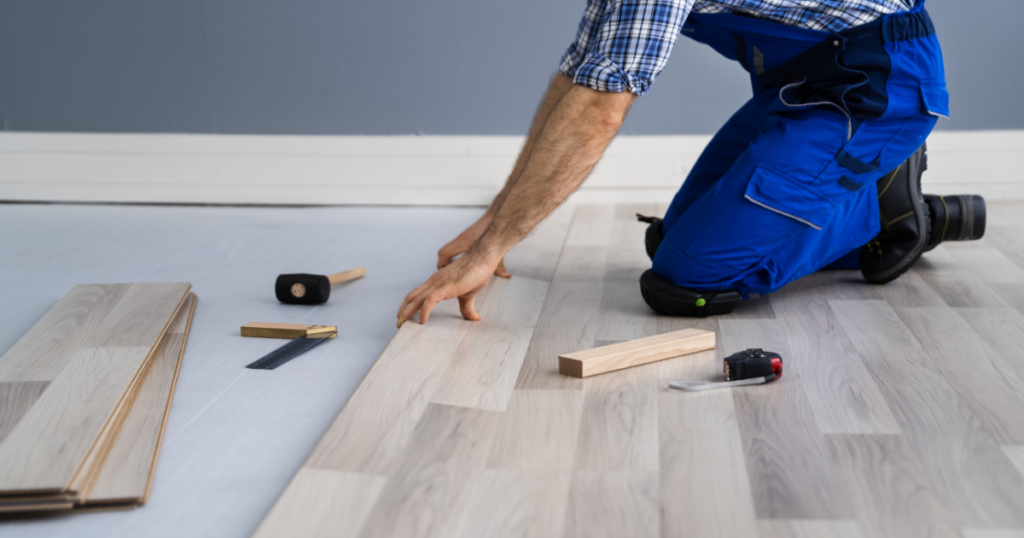
Luxury vinyl plank has become one of the most requested flooring options across Greenville, SC, Atlanta, GA, Charlotte, NC, and throughout the I-85 corridor. Homeowners appreciate its durability and design flexibility. Contractors value its speed of installation and consistent performance. At The Flooring Supply, we connect flooring pros and homeowners with high-quality flooring at competitive prices, including LVP, LVT, and engineered hardwood. Whether you are a general contractor managing multiple builds or a homeowner tackling your first install, understanding how to install LVP flooring correctly is essential to achieving professional results. This guide walks you through the full process, from preparation to final trim, so you can install flooring with confidence. Why LVP Flooring Is a Smart Choice Before we get into installation, it helps to understand why luxury vinyl plank continues to grow in popularity. According to industry data from organizations such as the Resilient Floor Covering Institute (RFCI), resilient flooring products like LVP have seen steady growth due to their water resistance, durability, and lower lifecycle maintenance compared to traditional hardwood in moisture-prone environments. Key advantages include: For contractors working in flooring in Greenville, flooring in Atlanta, or flooring in Charlotte, LVP flooring has become a practical solution that balances cost, performance, and installation efficiency. Tools and Materials You Will Need Installing LVP flooring does not require specialized equipment, but proper tools make a noticeable difference in results. Basic Tools Additional Materials Using high-quality flooring products and following manufacturer guidelines ensures long-term performance. Step 1: Prepare the Subfloor Properly Professional results begin with preparation. Inspect the Subfloor LVP flooring requires a clean, flat, and structurally sound surface. Most manufacturers specify that subfloor variation should not exceed 3/16 inch over 10 feet. Subfloors can be: Address Moisture Moisture testing is especially important on concrete slabs. ASTM standards recommend moisture testing before installation. Excess moisture can cause flooring failure, even with water-resistant materials. In areas along I-85 where humidity can fluctuate, such as Greenville and Atlanta, testing is not optional. It protects your reputation as a contractor and the homeowner’s investment. Level and Clean Skipping this step often results in visible imperfections and joint stress later. Step 2: Acclimate the Flooring While many LVP products require less acclimation than engineered hardwood, most manufacturers still recommend allowing planks to sit in the installation space for 24–48 hours. Keep room temperature between 65°F and 85°F, depending on product guidelines. Consistent temperature and humidity prevent unnecessary expansion or contraction. Step 3: Plan the Layout Professional installers rarely start laying planks without a layout plan. Measure the Room If necessary, trim the first row slightly so both sides of the room have balanced plank widths. Stagger the Seams Maintain a minimum stagger distance of 6 to 12 inches, as specified by the manufacturer. Randomizing the pattern improves structural integrity and visual appeal. Snap a chalk line along your starting wall to ensure your first row is straight. Step 4: Install the First Row This row determines the alignment of the entire floor. For click-lock LVP flooring, insert the tongue into the groove at the recommended angle and press down until it locks. Use a tapping block gently if needed. Never force planks together. If resistance occurs, check alignment. Step 5: Continue Row by Row After the first row is installed: Work steadily across the room. Around Door Frames Around Obstacles Use a template to mark cuts for vents or irregular shapes. A sharp utility knife works for straight cuts, while a jigsaw may be needed for complex cuts. Step 6: Install the Final Row The last row often requires lengthwise cutting. Take your time here. This is where uneven walls become noticeable. Step 7: Finishing Touches Once planks are installed: Avoid heavy furniture placement for at least 24 hours unless otherwise specified. Common Mistakes to Avoid Even experienced contractors can make preventable errors. Ignoring Expansion Gaps Without expansion space, LVP flooring can buckle under temperature changes. Skipping Moisture Testing Water-resistant does not mean waterproof under all conditions. Subfloor moisture can still cause issues. Poor Subfloor Prep Uneven surfaces lead to premature joint wear. Not Following Manufacturer Guidelines Each product may have specific installation requirements. Always review technical documentation. How Proper Installation Impacts ROI The true value of luxury vinyl plank flooring goes beyond initial cost. According to remodeling cost studies, quality flooring consistently ranks among the top upgrades for resale value. Professional installation: For pros sourcing discount flooring without sacrificing quality, proper installation ensures the best-value flooring truly delivers long-term results. LVP vs Engineered Hardwood Installation Considerations While engineered hardwood offers the natural wood construction of solid hardwood, LVP flooring is generally faster to install and more forgiving. Engineered Hardwood LVP Flooring Choosing the right material depends on job site conditions and client goals. Supporting Pros Along the I-85 Corridor The Flooring Supply is relocating its headquarters from Atlanta to Greenville, strengthening its presence in the Southeast while continuing to serve flooring customers in Atlanta, Greenville, and Charlotte, as well as nationwide. Working with reliable suppliers ensures access to high-quality flooring at competitive prices for homeowners and contractors alike. This relationship simplifies the ordering process, improves job efficiency, protects margins, and allows for materials to be shipped directly to job sites. Install With Confidence Installing LVP flooring like a pro comes down to preparation, precision, and patience. When subfloors are properly prepared, layouts are carefully planned, and manufacturer guidelines are followed, LVP flooring delivers durable, attractive results that hold up for years. If you are a contractor looking to streamline sourcing or a homeowner ready to upgrade your space, The Flooring Supply offers high-quality flooring options, including LVP, LVT, and engineered hardwood. To explore available products or learn more about visit: https://theflooringsupply.com/ Partner with a supplier that understands flooring across Greenville, Atlanta, Charlotte, and everywhere in between.
Choosing the Right Flooring for Homes in Greenville, Atlanta, and Charlotte
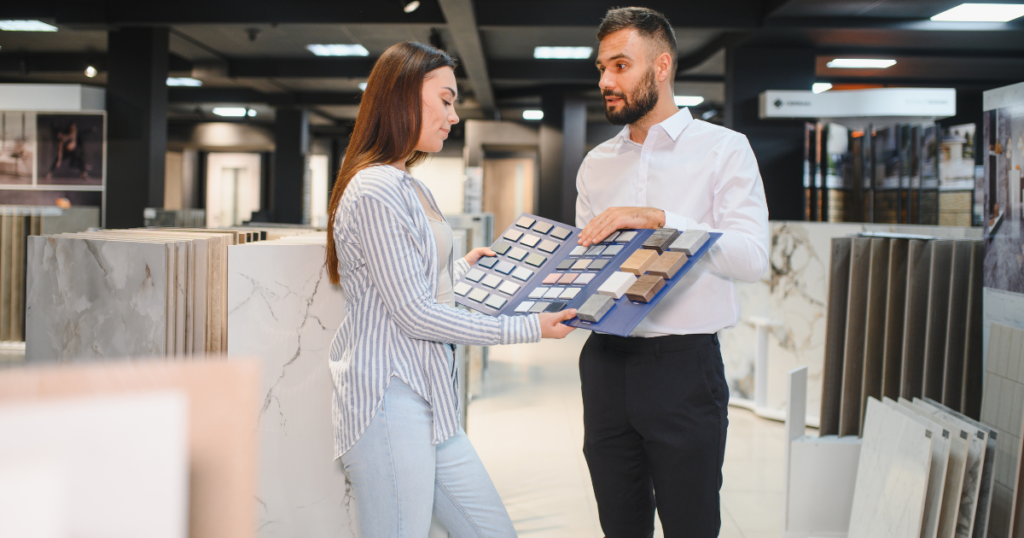
Homes along the I-85 corridor, Greenville, SC, Atlanta, GA, and Charlotte, NC (and everywhere in between), share a few flooring realities: warm, humid seasons; lots of slab foundations (especially in parts of metro Atlanta and newer builds); and busy households that want a floor that looks good without becoming a maintenance project. That’s why “best flooring” here isn’t just about color or plank width. It’s about matching the product to the job-site conditions, the subfloor, and daily wear, then sourcing it at a price that keeps your project (or installation business) profitable. At The Flooring Supply, we focus on three categories that consistently make sense for this region and the way people live today: LVP flooring, LVT flooring, and engineered hardwood. Our supply model is built for both pros and DIY homeowners, with efficient ordering through a proprietary Pro Portal and jobsite-friendly shipping. Below is a straightforward, field-tested way to choose the correct option, whether you’re working on flooring in Greenville, quoting a remodel in Atlanta, or planning a new installation in Charlotte. What’s Different About Flooring Decisions Along The I-85 Corridor? Humidity Is A Real Performance Factor In the Southeast, indoor humidity control matters because it affects building materials, especially wood-based products. The National Wood Flooring Association (NWFA) notes that wood performs best when indoor conditions are maintained at approximately 30–50% relative humidity and 60–80°F. The EPA also recommends keeping indoor humidity between 30% and 50%. That doesn’t mean “don’t use wood.” It means: Slab Moisture Can Quietly Ruin A Great-Looking Floor Concrete slabs can hold or transmit moisture long after they look “dry.” That’s why professional installers rely on standardized moisture tests (for example, in-situ relative humidity testing in concrete). If you’re a homeowner, the takeaway is simple: don’t skip moisture testing just because the slab appears fine, especially for ground-level installations. Quick Match Guide: Lvp Vs Lvt Vs Engineered Hardwood LVP flooring: the “busy household” workhorse Luxury Vinyl Plank (LVP) is often the best-value flooring for homes with: Why It Fits The Region LVP is generally less sensitive to humidity swings than wood. It’s also forgiving when schedules are tight, important in high-volume markets like Atlanta and Charlotte, where trades stack up quickly. Where Pros Win With LVP Faster installs, fewer callbacks tied to seasonal movement, and fewer “I didn’t know my dog would do that” conversations. LVT Flooring: The Practical Choice For Kitchens, Baths, And “Tile-Look” Zones Luxury Vinyl Tile (LVT) is your go-to when the design goal is: Why It Fits The Corridor In humid climates, “wet-prone” rooms are common pain points. LVT is a clean solution that stays consistent with the rest of the home’s design when you don’t want to maintain real grout. Engineered Hardwood: Real Wood Feel With Better Stability Than Solid Wood If your buyer wants real wood, not a printed visual, engineered hardwood is usually the smart category to start with, especially compared with solid hardwood in a humid region. Where engineered hardwood shines: Key Performance Note Wood continues to respond to moisture. Keeping indoor humidity within a reasonable range helps minimize issues such as gaps or cupping over time. Step-By-Step: How To Choose The Right Flooring (Pro And Homeowner-Friendly) Step 1: Start With The Subfloor (This Decides More Than The Color Does) Ask: What are we installing over? If you only remember one rule: the subfloor doesn’t care what your sample board looks like. Prep quality is what protects the finished investment. Step 2: Define “Wear” Honestly (Pets, Chairs, And Sand Beat Marketing Claims) Lifestyle questions that change the answer fast: For most high-wear scenarios, LVP flooring is the safest default. For wet-prone rooms, LVT flooring stays strong. Step 3: Decide Where You Want Real Wood, And Where You Don’t A practical approach many builders and remodelers use in the I-85 region: This hybrid strategy protects the budget without forcing “one material everywhere.” Step 4: Match The Installation Method To The Job Reality Even excellent materials fail when the installation method doesn’t fit the project constraints. Common decision drivers: For pros, this is where profit shows up: fewer surprises, fewer return trips, and clearer expectations. Step 5: Think In “Cost Over Time,” Not Just Price Per Square Foot A floor that costs less upfront but fails early is not discount flooring; it’s a budget leak. When you’re evaluating “best value flooring,” consider: This is the practical definition of ROI for flooring: fewer problems, longer service life, and less time spent fixing avoidable issues. City-by-city notes: Greenville, Atlanta, and Charlotte Flooring in Greenville, SC Greenville’s growth means a mix of older homes (subfloor quirks) and newer builds (often slab-on-grade). Humidity is a year-round concern in South Carolina, so indoor moisture control and the selection of innovative products are critical. Most Common Wins LVP for whole-home remodels; engineered hardwood where homeowners want a classic finish. Flooring in Atlanta, GA Metro Atlanta is fast-paced, and many projects are schedule-driven. Flooring choices that install efficiently and reduce moisture-related surprises tend to win. Most Common Wins LVP for speed and durability; LVT for high-use kitchens and baths in family homes and rentals. Flooring in Charlotte, NC Charlotte homes often mix modern layouts with high daily traffic (busy households, growing neighborhoods, frequent entertaining). Most Common Wins Engineered hardwood in main living areas for an authentic wood feel; LVP when durability and uniformity across an open plan matter. Pro Tips That Reduce Callbacks (And Make Homeowners Happier) Buy Flooring Like A Pro (Even If You’re Not One) Choosing the right floor in Greenville, Atlanta, and Charlotte is less about chasing trends and more about getting the fundamentals right: subfloor conditions, moisture reality, daily wear, and a product category that fits the job. If you want high-quality flooring at wholesale or discount pricing, without making the process more complicated than it needs to be, The Flooring Supply is built for precisely that. Pros can streamline ordering through a proprietary Pro Portal, and homeowners can get access to better-value options with jobsite-friendly shipping across the I-85 corridor
LVP vs. LVT: Which Is Better for Your Project?
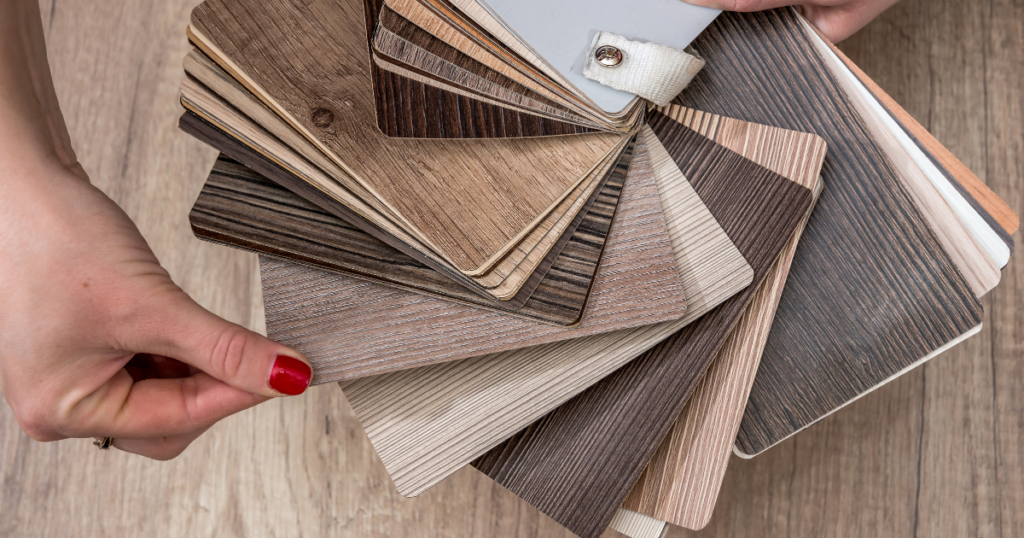
Luxury vinyl has become a go-to flooring category because it can handle real-life kids, pets, jobsite traffic, and fast turnarounds without forcing you into the cost (or installation constraints) of natural hardwood or stone. But one question still trips up both homeowners and pros: Should you use LVP or LVT? The honest answer is that neither is universally “better.” They’re closely related products, and in many cases, the “right” choice comes down to the look you want, the subfloor you’re working with, and how the space will be used. This guide breaks it down in practical terms so you can spec the right material the first time, whether you’re remodeling a home in Greenville, SC, managing a project in Atlanta, GA, or bidding work around Charlotte and the I-85 corridor. What LVP and LVT Actually Mean LVP stands for Luxury Vinyl Plank, a vinyl floor format designed to resemble wood planks. LVT stands for Luxury Vinyl Tile, a vinyl floor format designed to resemble stone, ceramic, or patterned tile. In other words, LVP vs. LVT is primarily a format and design conversation, not a material difference. Many LVP and LVT products share similar layers: a wear layer on top, a printed design layer, and a core/backing system underneath. A helpful way to think about it: A Quick Note on Standards (Why It Matters) If you’re trying to compare products across brands, marketing terms can get messy fast. That’s why standards are helpful. You don’t need to memorize the numbers. The takeaway is simple: when a product is tested to recognized standards, you have a clearer baseline for comparing performance. LVP vs. LVT: The Real Differences That Affect Your Job 1. Visual layout and seams LVP uses longer rectangles, which creates a “plank rhythm” similar to hardwood. This is often the easiest way to make a space feel warmer or more residential. LVT uses square or shorter rectangular formats that mimic tile. That’s helpful when you want a classic tile grid, a modern large-format look, or a pattern (like herringbone or checkerboard). If you’re trying to expand a narrow room or hallway visually, plank direction matters. In many homes along the I-85 corridor (where open plans are standard), LVP can help create a continuous flow through living areas without transitions. 2. Pattern Realism (Wood Vs Stone) LVP tends to win when the brief is: “Make it look like wood, but don’t make it precious.” LVT tends to win when the brief is: “I want a tile look in a space where water, mud, or frequent cleaning is normal.” This is why LVT is frequently chosen for laundry rooms, mudrooms, and bathrooms, where homeowners want the tile aesthetic without the need for grout maintenance. 3. Installation Variables (What Slows You Down) LVP and LVT can be installed in different ways (click-lock floating, glue-down, loose-lay, etc.). The bigger time-savers (or time-wasters) are usually: Tile-look layouts can require more attention to line control to keep the grid clean. Plank installations may need more attention to staggering and avoiding repeating patterns. 4. Wear Layer And Use Level (Don’t Guess Spec It) Wear layers are among the most misunderstood specifications in vinyl flooring. They matter because they help protect the printed design layer. For commercial-use expectations, ASTM F1700 specifies a minimum wear-layer thickness for certain classifications (often quoted as 20 mil / 0.5 mm in commercial contexts). Practical guidance: (And yes, mill and millimeter are not the same unit. If you’ve ever seen a quote or spec sheet, mix them up; you’re not alone.) How to Choose: A Simple, Project-Based Decision Guide Choose LVP when… You want a wood look without the maintenance sensitivity of hardwood. LVP is often a strong fit for: It’s also a common choice for homeowners who like the look of engineered hardwood but need something more forgiving around pets, kids, or occasional water exposure. Choose LVT when… You want a tile or stone aesthetic, especially in functional spaces. LVT is often a strong fit for: In renovation work, LVT can also be helpful when the design direction calls for “tile vibes,” but the homeowner doesn’t want grout lines or a cold underfoot feel. When Either Works (And Other Factors Decide) In many projects, both formats can perform well, and the decision comes down to: Rigid Core vs. Flexible: Don’t Confuse the Category With the Format Many people use “LVP” to mean “rigid core vinyl,” but that’s not always accurate. You can have LVP or LVT in different constructions. If you’re choosing a rigid-core product, standards such as ASTM F3261 are relevant because they set minimum performance criteria for modular resilient flooring with a rigid polymeric core. The jobsite impact: Indoor Air Quality: What to Look For (Without Overcomplicating It) Homeowners ask about “toxins” and off-gassing more than they used to, especially in nurseries, bedrooms, and tight, well-insulated homes. One straightforward thing to look for is FloorScore® certification, a widely recognized indoor air quality (IAQ) certification program for hard-surface flooring and related products. It’s developed by SCS Global Services in collaboration with RFCI and is used in green building frameworks. What that means in plain English: LVP/LVT vs. Engineered Hardwood: When Vinyl Is the Smarter Spec Engineered hardwood remains a strong option when the goal is authentic wood, and the client expects to care for it as wood. But vinyl can be the more intelligent choice when: A practical approach some pros use in the Southeast: engineered hardwood in primary living areas (when budget allows) and luxury vinyl in high-use or moisture-adjacent zones, chosen room by room. A Pro Checklist: What to Confirm Before You Buy Before you commit to LVP or LVT, confirm these details (on paper, not by assumption): Local Note: Greenville, Atlanta, Charlotte, and the I-85 Corridor In markets like Greenville (especially as The Flooring Supply shifts its home base there), Atlanta, and the broader I-85 corridor, speed and availability matter. Builders, restoration teams, and remodelers often don’t have time to chase product across multiple distributors or wait
Luxury Look on a Budget: LVT Flooring for Modern Homes
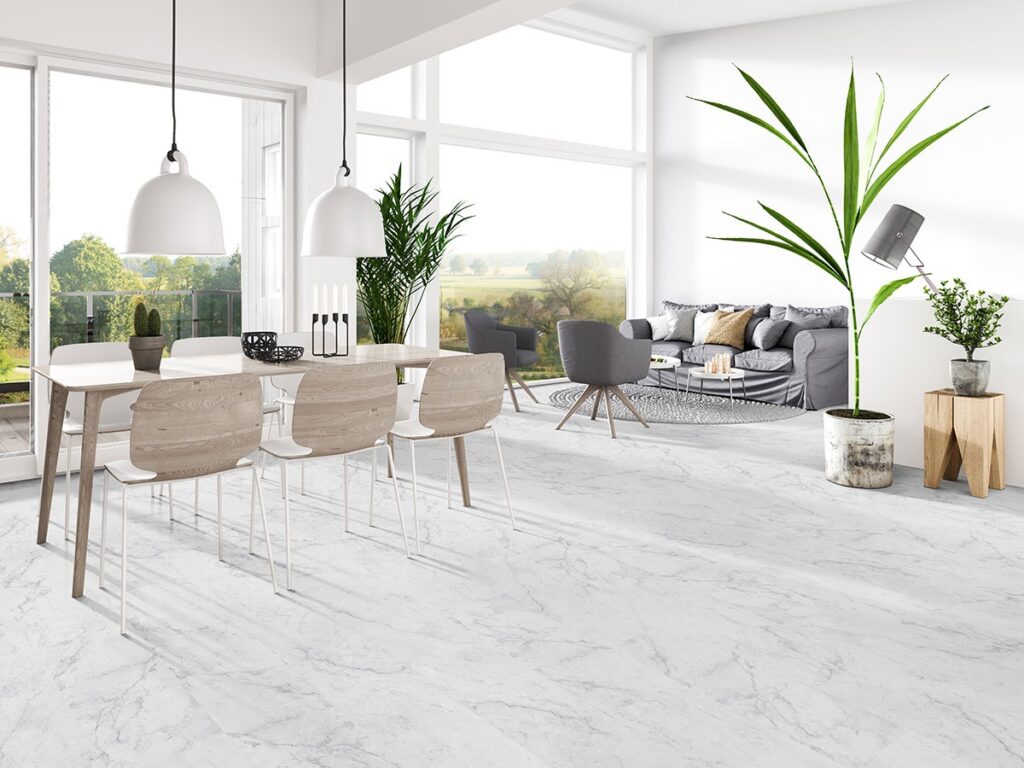
You want your home, or your client’s home, to look and feel like a million bucks. But that doesn’t mean you have to spend a fortune to get there. Luxury Vinyl Tile (LVT) and Luxury Vinyl Plank (LVP) flooring offer the high-end appearance of natural hardwood or stone without the steep price tag or maintenance headaches. Whether you’re a contractor working on your next job in Greenville, a homeowner remodeling in Atlanta, or a flooring pro operating between Charlotte and I-85, LVT flooring is becoming the wise choice for modern, budget-conscious renovations. In this guide, we’ll break down why LVT is making waves, what makes it different from other flooring options, and how you can get the best value through trusted wholesale flooring partners like The Flooring Supply. What Is LVT Flooring? Luxury Vinyl Tile (LVT) is a high-performance flooring option made from multiple layers of PVC vinyl, topped with a high-resolution photographic layer that mimics the look of natural materials such as wood, stone, or ceramic, and a protective wear layer that resists scratches, dents, and water damage. LVP (Luxury Vinyl Plank) is a subtype of LVT that mimics hardwood planks in shape and texture. Key Features Why Homeowners Love LVT 1. Looks Like the Real Thing Thanks to advanced imaging and embossing technologies, today’s LVT convincingly mimics wood and stone textures. Homeowners can enjoy the look of oak, maple, slate, or travertine without the upkeep or price tag of natural materials. 2. Low Maintenance Unlike hardwood, LVT doesn’t require refinishing or sealing. A simple sweep and occasional mop keep it looking great. 3. Waterproof Options for Wet Areas Many LVT products, especially those with Stone Plastic Composite (SPC) cores, are completely waterproof, making them ideal for kitchens, bathrooms, and basements. 4. Comfort and Warmth Unlike cold ceramic tiles, LVT retains warmth and has a slightly softer feel underfoot, making it ideal for families with children or pets. Why Contractors and Pros Choose LVT 1. Easy to Install = Faster Turnaround With click-lock or glue-down options, LVT reduces installation time, enabling flooring pros to complete jobs faster and move on to their next project. 2. Durable Enough for High-Traffic Homes Modern wear layers (typically 12-28 mil thick) withstand daily wear and tear, even in active households. Fewer callbacks = better ROI. 3. Great Margins When Bought Wholesale With access to wholesale LVT flooring through The Flooring Supply’s Pro Portal, pros can secure discounted pricing and direct shipping to job sites, maximizing profits while reducing hassle. 4. Flexible for a Range of Budgets Whether you’re working with a high-end remodel or a rental refresh, LVT offers versatility without sacrificing style or performance. LVT vs. Engineered Hardwood: A Quick Comparison Feature LVT Flooring Engineered Hardwood Cost Lower Higher Appearance High-res image layer mimics wood or stone Real wood veneer Water Resistance Often waterproof Not waterproof Durability High (with thick wear layer) Moderate Maintenance Easy May require refinishing Installation Click-lock or glue-down Nail, staple, or glue-down Best For Busy homes, basements, kitchens Living areas, bedrooms While engineered hardwood is still an excellent option for many applications, LVT wins on budget, moisture resistance, and ease of use, making it ideal for modern homes across the Southeast. Design Trends in LVT Flooring for 2025 As design preferences evolve, LVT is keeping up with some of the most in-demand looks in residential flooring: Wide Planks Mimicking the popular European hardwood trend Textured Finishes Wire-brushed, hand-scraped visuals add realism Light Neutrals & Grays Modern, versatile, and open-feeling Herringbone and Chevron Layouts Stylish yet easier to achieve with vinyl Stone-Look Tiles A favorite in bathrooms and laundry rooms These trends are easily achievable on a budget with LVT, making it a top pick for stylish renovations in cities like Greenville, Charlotte, and Atlanta. Flooring ROI: Does LVT Add Value to Homes? Absolutely. According to Remodeling Magazine’s Cost vs. Value Report, updated flooring ranks among the top improvements that increase home value. While solid hardwood may fetch a slightly higher resale return, today’s buyers are often just as happy with high-quality vinyl due to its durability and aesthetic appeal. Plus, LVT’s affordability means you can upgrade more square footage for less, maximizing impact across multiple rooms. How to Choose the Right LVT Product Here’s a simple checklist for selecting the best product: Choose the Right Wear Layer Pick the Right Core Check the Warranty Get Samples First Buy From Trusted Suppliers LVT Installation: DIY or Hire a Pro? Both options work, depending on your skill level. DIY Benefits Pro Installation Benefits If you’re a contractor, offering LVT as a quick, affordable upgrade is a great way to increase your service offerings and job profitability. Wholesale & Pro Benefits with The Flooring Supply If you’re a general contractor, restoration pro, or home builder operating between Greenville, Charlotte, or Atlanta, The Flooring Supply is your go-to partner. Why Pros Use The Flooring Supply Whether you’re outfitting a single home or managing multiple installs per week, The Flooring Supply has the stock, service, and support to keep your business running smoothly. Affordable Flooring That Delivers You don’t have to sacrifice style or quality to stay on budget. Luxury Vinyl Tile and Plank flooring let homeowners and flooring pros alike achieve a luxury look with impressive durability, modern design options, and stress-free installation. For anyone working in or around Greenville, SC, Atlanta, GA, or Charlotte, NC, or shipping nationwide, The Flooring Supply makes it easy to get the best value flooring delivered directly to your door or job site. Ready to Shop? Luxury can be affordable. Let The Flooring Supply help you bring it home.
How to Measure Your Space for New Flooring
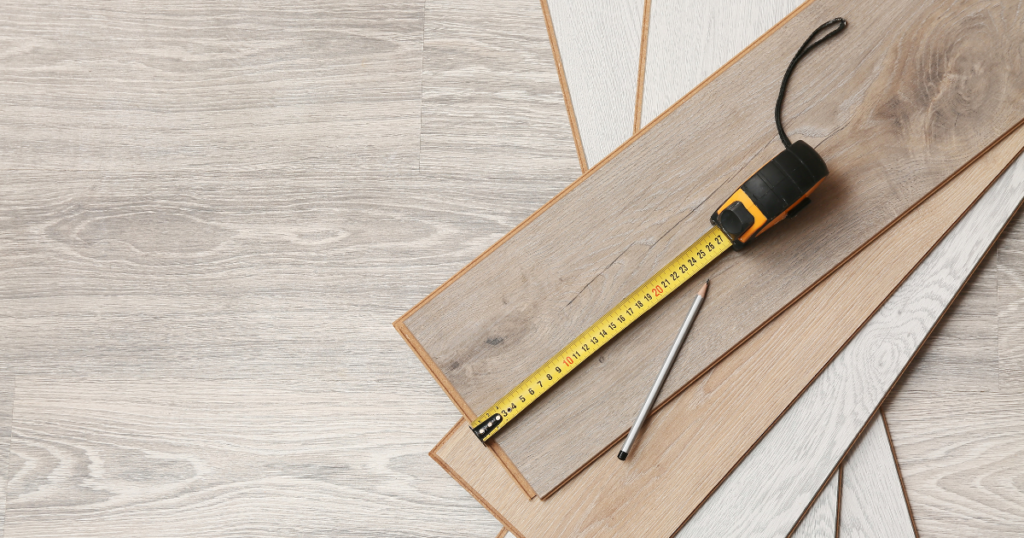
Whether you’re a homeowner upgrading to engineered hardwood or a contractor sourcing wholesale LVP flooring for a remodel, one of the first and most crucial steps is getting accurate measurements. Measurement errors can lead to costly overages, delivery delays, or, worse, a mid-installation pause. At The Flooring Supply, we’re here to make flooring simpler. This guide will walk you through measuring your space for luxury vinyl plank (LVP), luxury vinyl tile (LVT), or engineered hardwood flooring, so you can get the best value and avoid costly mistakes. Why Accurate Flooring Measurements Matter Accurate measurements ensure: Flooring materials are sold by the square foot. Order too little, and you risk delays. Order too much, and you’ve tied up cash unnecessarily. That’s why getting this step right is critical, especially if you’re a flooring pro working in Greenville, SC, Atlanta, GA, Charlotte, NC, or anywhere along the I-85 corridor. Step 1: Gather Your Tools Before you start, you’ll need: If you’re a contractor, using digital measuring tools can significantly reduce your time, especially when quoting multiple rooms or properties. Step 2: Measure the Length and Width of Each Room Start with a basic room shape, such as a square or rectangle. Measure: Then, multiply them together to get square footage:Length x Width = Square Feet Example A living room that’s 15 feet by 12 feet =15 x 12 = 180 square feet If your room includes closets, nooks, or alcoves, measure them separately and add their total to the overall square footage. Step 3: Account for Irregular Shapes For L-shaped or multi-area rooms, break the space down into rectangles or squares. Measure each section separately, then sum them up. Example This method keeps measurements accurate and avoids underordering. Step 4: Don’t Forget About Waste and Cutting No matter how perfect your measurements are, flooring installation requires cuts, especially around corners, transitions, and walls. Add 10% to your total square footage to account for: Pro Tip If you’re installing diagonal patterns, herringbone, or large planks in irregular spaces, increase the waste factor to 15%. Step 5: Measure Staircases and Hallways Stairs and long hallways are often forgotten in flooring calculations, yet they require precise cutting and usually generate more waste. For Stairs: Example Always round up to ensure full coverage. Step 6: Consider the Flooring Type Different materials behave differently, and this impacts how much to order: Flooring Type Waste Factor Notes LVP Flooring 5-10% Most forgiving, click-lock edges LVT Flooring 10-12% More cuts for tile-like patterns Engineered Hardwood 10-15% It can’t be reused once cut When working with discount flooring or overstock lots, ensure there is extra material available for future repairs. The Flooring Supply can advise on bulk orders for consistency. Step 7: Use a Room Layout Diagram Draw a simple diagram of each room, labeling measurements. This helps: You can also use digital tools like: Send your measurements or diagrams directly to The Flooring Supply’s Pro Portal, and we’ll do the rest, from order matching to drop shipping. Step 8: Double-Check Before You Order Before clicking “buy”: It’s easy to overlook matching accessories, but they can make or break the final look. Standard Measurement Mistakes (And How to Avoid Them) ❌ Guessing room dimensions✅ Always measure with a tape or laser. Eyeballing leads to over-ordering or worse, running out mid-job. ❌ Not accounting for floor leveling✅ Uneven subfloors may require more material or underlayment. ❌ Forgetting closets, hallways, or entryways✅ Treat every covered surface as a measured section. ❌ Skipping waste allowance✅ Even pros make minor mistakes or miscuts, always factor in 10–15% waste. Why Contractors Love The Flooring Supply If you’re a flooring professional in Greenville, Charlotte, or Atlanta, you need more than just measurements; you need efficiency, pricing, and logistics support. Pro Portal Access Get better rates, track orders, and ship directly to job sites. Bulk Discounts Save more with wholesale flooring options. Fast Delivery From the I-85 corridor and beyond, we drop ship anywhere in the U.S. The Flooring Supply was built to serve contractors first. We take the guesswork out of flooring logistics so that you can focus on the job. Measure Twice, Order Once Taking the time to measure your space accurately can make or break your flooring project. Whether you’re a homeowner doing your first LVP install or a seasoned builder managing multiple units, precise measurements save money and headaches. Ready to get started? Get the Right Flooring Fast At The Flooring Supply, we simplify the flooring process for homeowners and professionals alike. From high-quality LVP, LVT, and engineered hardwood to fast nationwide drop shipping, we’re your go-to source for the best value flooring in Greenville, Atlanta, Charlotte, and everywhere in between. Visit https://theflooringsupply.com to: Measure right. Order smart. Install confidently, with The Flooring Supply.