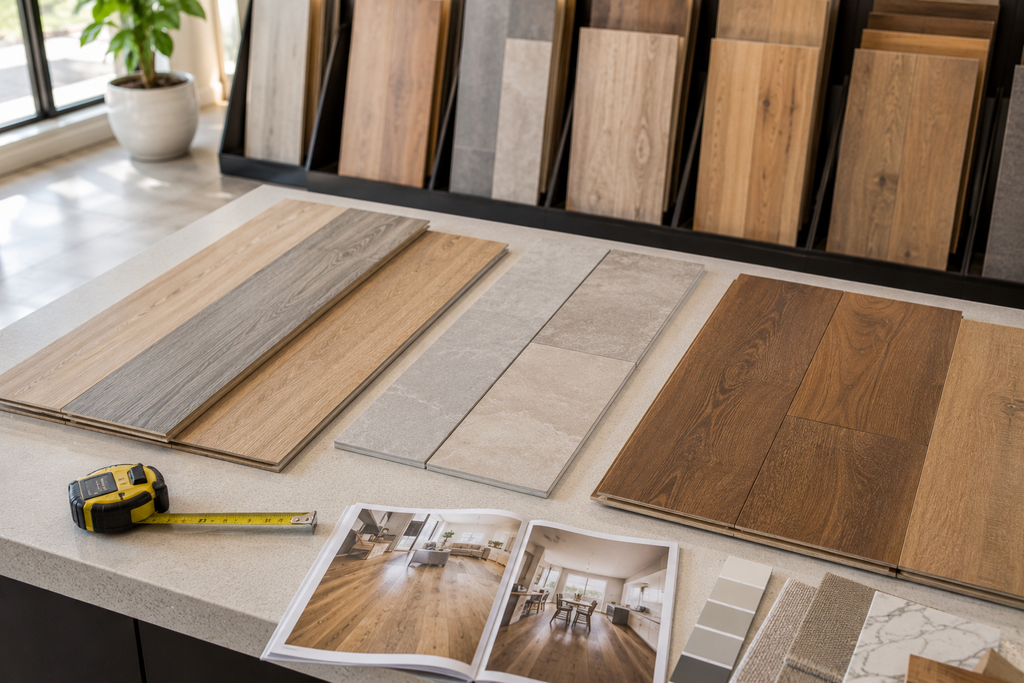
Choosing new flooring is one of the biggest investments homeowners make during a renovation. Yet many buying decisions are based on outdated advice, misconceptions, or assumptions that end up costing more than expected. Whether you’re remodeling a home in Greenville, SC, Atlanta, GA, Charlotte, NC, or anywhere along the I-85 corridor, understanding the facts can help you make a better long-term investment.
At The Flooring Supply, homeowners and flooring professionals alike have access to high-quality flooring at competitive prices, including luxury vinyl plank (LVP), luxury vinyl tile (LVT), and engineered hardwood. Knowing what separates fact from fiction can help you maximize both your budget and your flooring’s lifespan.
1. The Cheapest Flooring Saves the Most Money
Many homeowners focus only on the purchase price. While inexpensive flooring may reduce upfront costs, it often increases long-term expenses.
Lower-quality flooring may wear out sooner, require more maintenance, or need replacement years before a premium alternative. Installation costs remain largely the same regardless of product quality, so replacing a failed floor can double labor expenses.
Research from the National Association of Realtors’ Remodeling Impact Report found that flooring upgrades consistently improve homeowner satisfaction while contributing positively to resale value, especially when durable materials are selected.
Instead of asking, “What’s the cheapest option?” ask:
- How long will it last?
- How much maintenance does it require?
- Will it perform well for my household?
High-quality flooring often delivers the better overall value.
2. Luxury Vinyl Plank Looks Cheap
Years ago, vinyl flooring looked very different from today’s products. Modern LVP flooring has changed dramatically.
Advanced manufacturing techniques now produce:
- Realistic wood grain textures
- Embossed surfaces
- Wide plank formats
- Matte finishes
- Durable wear layers
Many visitors cannot distinguish premium LVP from hardwood without touching it.
Beyond appearance, LVP offers benefits that traditional hardwood cannot always provide, including superior moisture resistance and easier maintenance.
For busy families, pet owners, or rental properties, LVP flooring frequently delivers one of the strongest combinations of appearance, durability, and value.
3. Hardwood Is Always Better Than Engineered Hardwood
Solid hardwood has earned an excellent reputation, but that doesn’t automatically make it the best choice for every home.
Engineered hardwood uses a genuine hardwood surface with multiple layers beneath that improve dimensional stability. This construction helps reduce expansion and contraction caused by humidity changes.
According to the USDA Forest Products Laboratory, engineered wood products are specifically designed to provide greater dimensional stability than comparable solid wood under changing environmental conditions.
This makes engineered hardwood an excellent option for:
- Main living spaces
- Basements with proper moisture control
- Homes throughout the Southeast where humidity fluctuates throughout the year
For many homeowners, engineered hardwood delivers the appearance of solid hardwood while offering improved performance in challenging environments.
4. All Flooring Products Are Basically the Same
Not all flooring products are created equally.
Two products may look nearly identical online while having significant differences in:
- Wear layer thickness
- Core construction
- Locking systems
- Waterproof capabilities
- Manufacturer warranty
- Finish quality
A thicker wear layer often provides greater resistance against scratches and daily wear.
Contractors understand that selecting quality materials reduces callbacks and customer complaints. Homeowners benefit from the same principle.
Working with a trusted supplier helps ensure you’re comparing products based on performance, not just price.
5. DIY Installation Always Saves Money
Installing flooring yourself can absolutely save money, but only when the project matches your experience level.
Incorrect installation can lead to:
- Uneven floors
- Gaps between planks
- Moisture issues
- Warranty problems
- Premature replacement
The North American Laminate Flooring Association (NALFA) emphasizes that following manufacturer installation guidelines is essential to achieving expected product performance and maintaining warranty protection.
Many experienced DIY homeowners install click-lock LVP flooring successfully. However, more complex layouts, subfloor repairs, stairs, or large spaces often benefit from professional installation.
The goal isn’t simply to spend less today; it’s to avoid costly repairs later.
6. Waterproof Flooring Means Water Can Sit Forever
One of the most misunderstood flooring terms is “waterproof.”
Waterproof flooring refers to the flooring material itself, not the entire flooring system.
Standing water can still affect:
- Subfloors
- Adhesives
- Trim
- Baseboards
- Mold growth beneath flooring
Even with waterproof LVP flooring, clean spills promptly.
Proper installation and moisture management remain essential parts of protecting your investment.
7. Wholesale Flooring Means Lower Quality
Many people assume “wholesale flooring” means discount products with lower standards.
In reality, wholesale pricing often reflects a different distribution model, not inferior materials.
Companies like The Flooring Supply reduce unnecessary markups by connecting homeowners and flooring professionals with premium flooring products at competitive prices.
This approach allows customers to purchase:
- High-quality flooring
- Trusted brands
- Professional-grade products
- Better overall value
Discount pricing doesn’t necessarily mean discount quality.
8. Flooring Doesn’t Affect Home Value
Flooring is one of the first things buyers notice.
Old carpet, damaged laminate, or worn flooring can negatively impact first impressions.
Conversely, updated flooring creates a cleaner, more modern appearance that appeals to buyers.
The National Association of Realtors has repeatedly found that interior improvements, including flooring upgrades, rank among projects that increase homeowner enjoyment while improving marketability.
Even if you’re not planning to sell immediately, investing in durable flooring improves daily living while supporting long-term property value.
How to Make a Smarter Flooring Decision
Instead of focusing solely on purchase price, evaluate flooring based on total value.
Ask yourself:
- Will this flooring fit my lifestyle?
- How long do I expect to stay in my home?
- How much maintenance am I willing to perform?
- Is moisture resistance important?
- Does the product include a strong warranty?
Working with knowledgeable flooring professionals helps ensure you choose materials that meet both your needs and your budget.
Whether you’re a homeowner planning a renovation or a contractor managing multiple projects, selecting the right flooring from the beginning often prevents expensive mistakes later.
Invest in Facts, Not Flooring Myths
Flooring myths often lead homeowners toward decisions that seem inexpensive today but become costly over time. Understanding the differences between LVP flooring, engineered hardwood, and other high-quality options lets you invest with confidence.
If you’re looking for the best value flooring, wholesale flooring, or premium flooring solutions in Greenville, Atlanta, Charlotte, or anywhere across the United States, The Flooring Supply offers trusted products for homeowners and flooring professionals alike.
Visit https://theflooringsupply.com/ to explore high-quality flooring options, compare products, and find solutions that deliver lasting value for your next project.