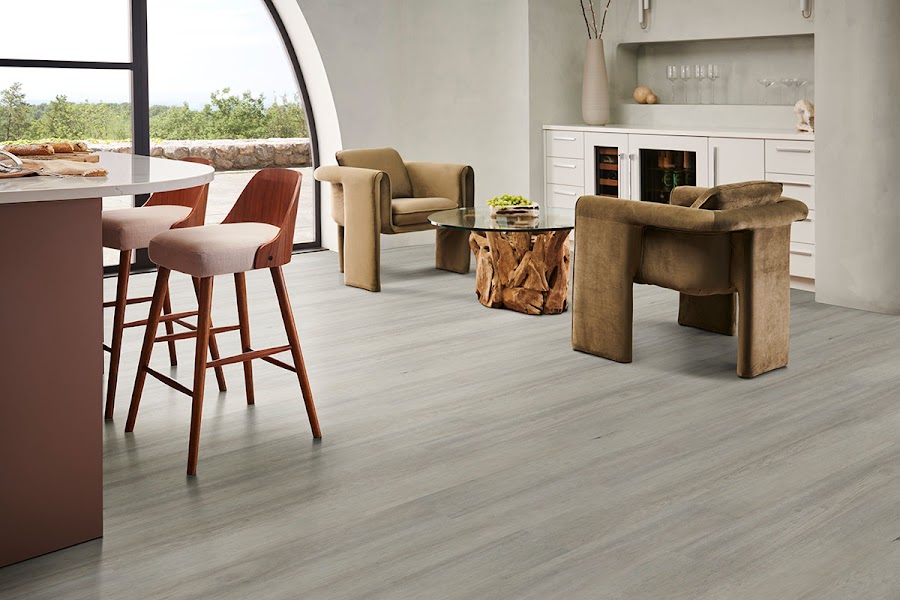
Luxury vinyl plank flooring has earned its popularity; it’s waterproof, scratch-resistant, and looks stunning in almost any room. But here’s what most cleaning guides skip: LVP has a wear layer that can be permanently compromised by the wrong cleaning method. That wear layer is what keeps your floor looking brand new for 15–25 years. Damage it, and you’re looking at premature dullness, micro-scratches, and a floor that can’t be refinished.
So let’s go beyond the basics. You deserve to know the real science behind keeping LVP clean, not just ‘sweep and mop.
Why LVP cleaning is different from other floors
LVP is a synthetic flooring product made of multiple layers, including a rigid core, a printed design layer, and a protective wear layer on top. Unlike hardwood, you can’t sand it. Unlike tile, the grout lines aren’t an issue. But that wear layer is sensitive to alkaline cleaners and abrasive tools in ways most homeowners don’t realize.
Your cleaning routine at a glance
| Task | Frequency | Best Tool |
| Dry sweep or dust mop | Daily | Microfiber dust mop |
| Damp mop with pH-neutral cleaner | Weekly | Spray mop or wrung-out flat mop |
| Targeted stain treatment | As needed | Soft cloth + isopropyl alcohol |
| Deep clean (high-traffic areas) | Monthly | Microfiber mop + LVP-safe cleaner |
The right way to damp mop LVP flooring
The number one mistake people make is using a soaking-wet mop. Even though LVP is waterproof on the surface, excess water that seeps into the seams can cause the planks to swell, buckle, or develop mold underneath. The mop should be damp, not dripping.
Here’s a method that actually works:
- Sweep or vacuum first using a soft-bristle attachment (no beater bar).
- Mix a few drops of pH-neutral dish soap or an LVP-specific cleaner with warm water.
- Wring out your microfiber mop until almost dry.
- Mop in the direction of the planks, this prevents streaking.
- Let it air dry; don’t rinse unless product instructions say otherwise.
Stubborn stains: What actually works
Not all stains respond the same way. Here’s a quick breakdown:
- Scuff marks: Rub gently with a pencil eraser or a soft cloth dampened with isopropyl alcohol.
- Grease or cooking oil: A drop of dish soap on a damp cloth, rubbed in small circles, then wiped clean.
- Nail polish or paint: Use acetone sparingly on a cotton ball never let it pool on the surface.
- Wax or crayon: Apply an ice pack to harden the residue, then gently scrape with a plastic scraper.
- Ink: Isopropyl alcohol on a soft cloth blot, don’t scrub.
What to avoid — the dos and don’ts
| Do This | Avoid This |
| Use a microfiber mop | Steam mops (heat warps LVP) |
| Stick to pH-neutral cleaners | Vinegar or bleach solutions |
| Place felt pads under furniture | Wax or polish products |
| Sweep daily in pet homes | Abrasive scrubbing pads |
| Use a vacuum on hard floor mode | Wet mops with standing water |
One thing worth mentioning: vinegar is widely recommended online as a natural floor cleaner, but it’s mildly acidic (pH 2–3). Repeated use strips the finish off LVP over time. The floor might look clean, but it’s slowly losing its protective coating.
Protecting your LVP between cleanings
Good cleaning habits are only half the battle. Prevention does more than any mop ever could:
- Use doormats at every entry point — grit from shoes is the top cause of micro-scratches.
- Keep pet nails trimmed; long nails can score the wear layer.
- Maintain indoor humidity between 35–65%. Extreme dryness or humidity causes LVP to expand and contract, loosening seams over time.
- Avoid dragging furniture. When rearranging, lift fully or use sliders.
Frequently asked questions
Q1 What is the best way to clean LVP flooring on a daily basis?
The best way to clean LVP flooring daily is by using a dry microfiber dust mop to remove dirt and debris. This prevents grit from scratching the wear layer and keeps the surface looking fresh without any moisture damage.
Q2 Can you use a steam mop on LVP flooring?
Steam mops should never be used on LVP flooring. The intense heat and moisture can warp the planks, weaken adhesive bonds, and permanently damage the wear layer, voiding most manufacturer warranties in the process.
Q3 Is vinegar safe to clean LVP floors?
Vinegar is not recommended for cleaning LVP floors. Its acidic pH gradually strips the protective finish, dulling the surface over time. A pH-neutral cleaner specifically formulated for luxury vinyl plank flooring is the safer, manufacturer-approved alternative.
Q4 How do you remove scuff marks from LVP flooring?
Removing scuff marks from LVP flooring is straightforward, gently rub the affected area with a pencil eraser or a soft cloth lightly dampened with isopropyl alcohol. Avoid harsh scrubbing, which can leave dull patches on the wear layer.
Q5 How often should LVP flooring be deep cleaned?
LVP flooring benefits from a deep clean once a month in high-traffic areas. Use a damp microfiber mop with a pH-neutral LVP cleaner, working along the plank direction to avoid streaking and seam saturation.
Your One-Stop Shop for Premium Flooring Solutions and Expert Care
When it comes to selecting and caring for your LVP floors, having access to the right products and expert advice makes all the difference. The Flooring Supply is a trusted resource for homeowners and contractors looking for premium flooring materials from luxury vinyl plank to hardwood, tile, and laminate. Our product range is carefully curated to support long-lasting, beautiful installs backed by knowledgeable service. Whether you’re sourcing LVP-safe cleaning solutions, underlayment, or replacement planks, we’ve got you covered at every stage of your flooring project, from purchase to maintenance. Ready to protect your investment and keep your floors performing at their best?
Explore our Luxury Vinyl Tiles, Engineered Hardwood products and get started today.