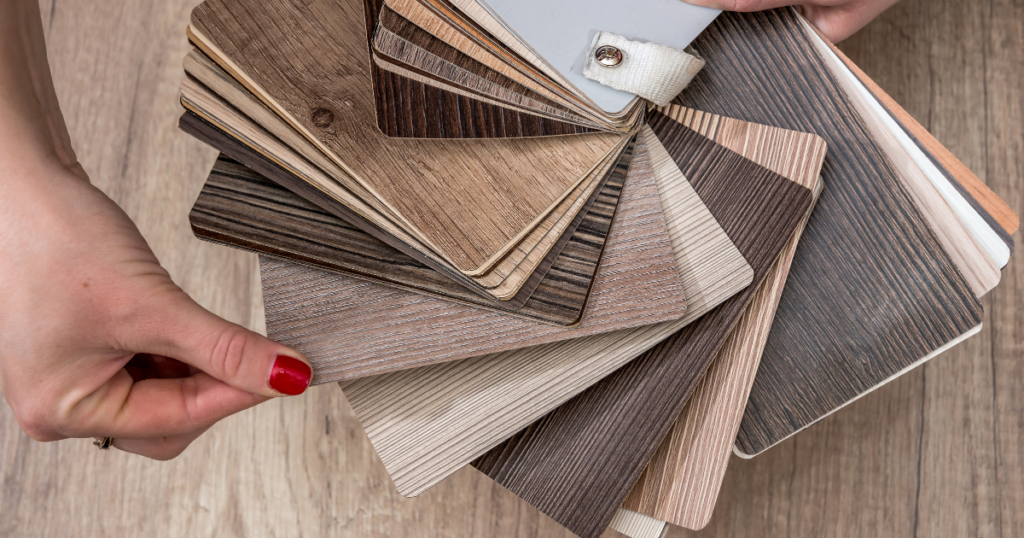
Luxury vinyl has become a go-to flooring category because it can handle real-life kids, pets, jobsite traffic, and fast turnarounds without forcing you into the cost (or installation constraints) of natural hardwood or stone. But one question still trips up both homeowners and pros:
Should you use LVP or LVT?
The honest answer is that neither is universally “better.” They’re closely related products, and in many cases, the “right” choice comes down to the look you want, the subfloor you’re working with, and how the space will be used. This guide breaks it down in practical terms so you can spec the right material the first time, whether you’re remodeling a home in Greenville, SC, managing a project in Atlanta, GA, or bidding work around Charlotte and the I-85 corridor.
What LVP and LVT Actually Mean
LVP stands for Luxury Vinyl Plank, a vinyl floor format designed to resemble wood planks.
LVT stands for Luxury Vinyl Tile, a vinyl floor format designed to resemble stone, ceramic, or patterned tile.
In other words, LVP vs. LVT is primarily a format and design conversation, not a material difference. Many LVP and LVT products share similar layers: a wear layer on top, a printed design layer, and a core/backing system underneath.
A helpful way to think about it:
- If the project calls for a wood-look, you’ll typically lean toward LVP.
- If the project calls for a tile look (stone, concrete, marble, checkerboard, etc.), you’ll usually lean toward LVT.
A Quick Note on Standards (Why It Matters)
If you’re trying to compare products across brands, marketing terms can get messy fast. That’s why standards are helpful.
- ASTM F1700 is a standard specification that covers the performance requirements for solid vinyl floor tile (commonly referenced when discussing LVT performance expectations).
- ASTM F3261 is a standard specification for resilient flooring in modular format with a rigid polymeric core (often associated with “rigid core” products; many people shop for LVP/LVT).
You don’t need to memorize the numbers. The takeaway is simple: when a product is tested to recognized standards, you have a clearer baseline for comparing performance.
LVP vs. LVT: The Real Differences That Affect Your Job
1. Visual layout and seams
LVP uses longer rectangles, which creates a “plank rhythm” similar to hardwood. This is often the easiest way to make a space feel warmer or more residential.
LVT uses square or shorter rectangular formats that mimic tile. That’s helpful when you want a classic tile grid, a modern large-format look, or a pattern (like herringbone or checkerboard).
If you’re trying to expand a narrow room or hallway visually, plank direction matters. In many homes along the I-85 corridor (where open plans are standard), LVP can help create a continuous flow through living areas without transitions.
2. Pattern Realism (Wood Vs Stone)
LVP tends to win when the brief is: “Make it look like wood, but don’t make it precious.” LVT tends to win when the brief is: “I want a tile look in a space where water, mud, or frequent cleaning is normal.”
This is why LVT is frequently chosen for laundry rooms, mudrooms, and bathrooms, where homeowners want the tile aesthetic without the need for grout maintenance.
3. Installation Variables (What Slows You Down)
LVP and LVT can be installed in different ways (click-lock floating, glue-down, loose-lay, etc.). The bigger time-savers (or time-wasters) are usually:
- Subfloor flatness
- Moisture conditions
- Layout complexity (patterns, borders, diagonal installs)
- Transitions and trim details
Tile-look layouts can require more attention to line control to keep the grid clean. Plank installations may need more attention to staggering and avoiding repeating patterns.
4. Wear Layer And Use Level (Don’t Guess Spec It)
Wear layers are among the most misunderstood specifications in vinyl flooring. They matter because they help protect the printed design layer.
For commercial-use expectations, ASTM F1700 specifies a minimum wear-layer thickness for certain classifications (often quoted as 20 mil / 0.5 mm in commercial contexts).
Practical guidance:
- Light residential/low traffic: thinner wear layers may perform fine
- Busy families, pets, rentals, light commercial: step up the wear layer
- High-traffic commercial or heavy rolling loads: spec carefully and verify the product’s rating/testing documentation
(And yes, mill and millimeter are not the same unit. If you’ve ever seen a quote or spec sheet, mix them up; you’re not alone.)

How to Choose: A Simple, Project-Based Decision Guide
Choose LVP when…
You want a wood look without the maintenance sensitivity of hardwood.
LVP is often a strong fit for:
- Living rooms and family rooms
- Bedrooms
- Hallways and open-plan spaces
- Rentals where you want broad appeal and easy turnover
It’s also a common choice for homeowners who like the look of engineered hardwood but need something more forgiving around pets, kids, or occasional water exposure.
Choose LVT when…
You want a tile or stone aesthetic, especially in functional spaces.
LVT is often a strong fit for:
- Bathrooms
- Laundry rooms
- Mudrooms and entry areas
- Kitchens (especially when the homeowner wants a stone/concrete look)
In renovation work, LVT can also be helpful when the design direction calls for “tile vibes,” but the homeowner doesn’t want grout lines or a cold underfoot feel.
When Either Works (And Other Factors Decide)
In many projects, both formats can perform well, and the decision comes down to:
- The homeowner’s design preference
- The space’s visual lines
- The speed of installation
- The subfloor condition and prep scope
Rigid Core vs. Flexible: Don’t Confuse the Category With the Format
Many people use “LVP” to mean “rigid core vinyl,” but that’s not always accurate. You can have LVP or LVT in different constructions.
If you’re choosing a rigid-core product, standards such as ASTM F3261 are relevant because they set minimum performance criteria for modular resilient flooring with a rigid polymeric core.
The jobsite impact:
- Rigid-core products can sometimes be more forgiving of minor subfloor imperfections (within manufacturer tolerances).
- But they still require proper prep, especially for long-term locking performance and to avoid telegraphing.
Indoor Air Quality: What to Look For (Without Overcomplicating It)
Homeowners ask about “toxins” and off-gassing more than they used to, especially in nurseries, bedrooms, and tight, well-insulated homes.
One straightforward thing to look for is FloorScore® certification, a widely recognized indoor air quality (IAQ) certification program for hard-surface flooring and related products. It’s developed by SCS Global Services in collaboration with RFCI and is used in green building frameworks.
What that means in plain English:
- The product has been tested for VOC emissions under a recognized program.
- It can help you answer homeowner concerns with something more concrete than “it should be fine.”
LVP/LVT vs. Engineered Hardwood: When Vinyl Is the Smarter Spec
Engineered hardwood remains a strong option when the goal is authentic wood, and the client expects to care for it as wood. But vinyl can be the more intelligent choice when:
- The space sees wet shoes, pets, or frequent spills
- The client wants a fast install and predictable maintenance
- The project is a rental, flip, or budget-controlled renovation
- The subfloor and environment make wood movement a bigger risk
A practical approach some pros use in the Southeast: engineered hardwood in primary living areas (when budget allows) and luxury vinyl in high-use or moisture-adjacent zones, chosen room by room.
A Pro Checklist: What to Confirm Before You Buy
Before you commit to LVP or LVT, confirm these details (on paper, not by assumption):
- Installation method, such as click-lock, glue-down, vs. loose lay
- Wear layer thickness and intended use rating (residential vs. commercial)
- Core construction and standard/testing references (especially for rigid core)
- Underlayment requirements (or whether it’s attached)
- Subfloor flatness tolerances from the manufacturer
- IAQ certification if the client is sensitive to emissions.
- Matching trims, transitions, and stair solutions (these can derail timelines if they’re an afterthought)
Local Note: Greenville, Atlanta, Charlotte, and the I-85 Corridor
In markets like Greenville (especially as The Flooring Supply shifts its home base there), Atlanta, and the broader I-85 corridor, speed and availability matter. Builders, restoration teams, and remodelers often don’t have time to chase product across multiple distributors or wait on long lead times when a job is ready to move.
That’s why sourcing matters as much as selecting the right material. If you can reliably deliver the correct LVP or LVT spec without overbuying, delays, or sacrificing quality, you protect your schedule and margin.
Which One Is Better?
If you’re deciding purely between formats:
- LVP is usually better when you want a wood-plank look and a continuous, flowing layout.
- LVT is usually better when you want a tile/stone look, patterns, or a clean grid aesthetic.
But the “best” choice for your project is the one that matches:
- the design goal,
- the space’s use level, and
- a spec sheet you can defend (wear layer, standards, and certifications).
Get the Right Spec Without Slowing Down
If you’re comparing LVP flooring, LVT flooring, engineered hardwood, or looking for wholesale flooring/discount flooring that still holds up on real jobs, The Flooring Supply helps you source high-quality flooring efficiently, whether you’re working in Greenville, Atlanta, Charlotte, or anywhere in between (and they can drop ship across the USA).Explore options and see how streamlined ordering can be for pros at https://theflooringsupply.com/.