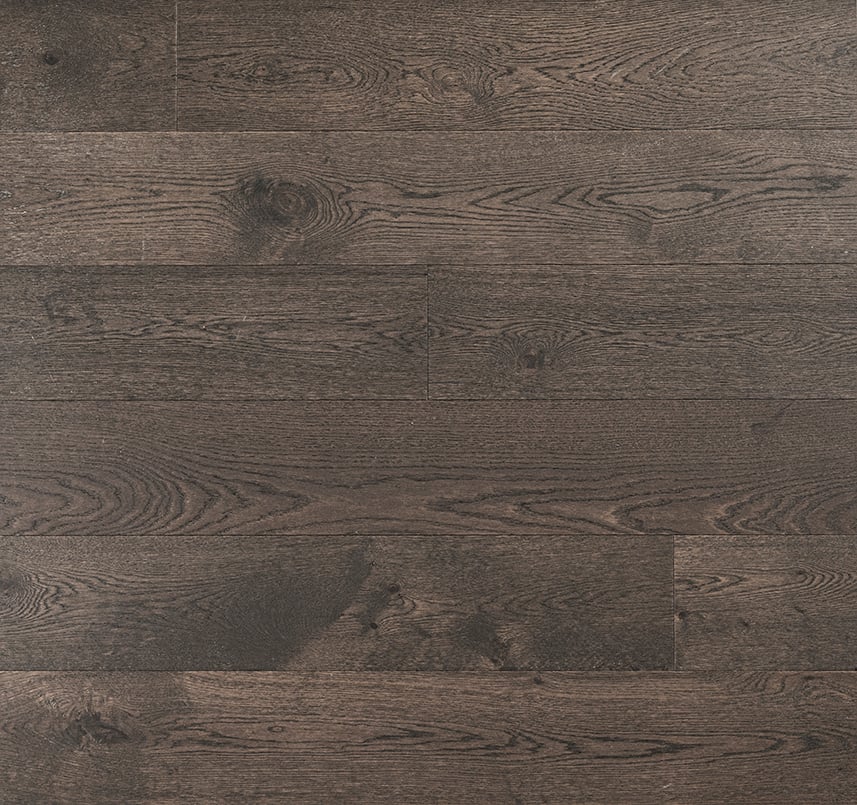
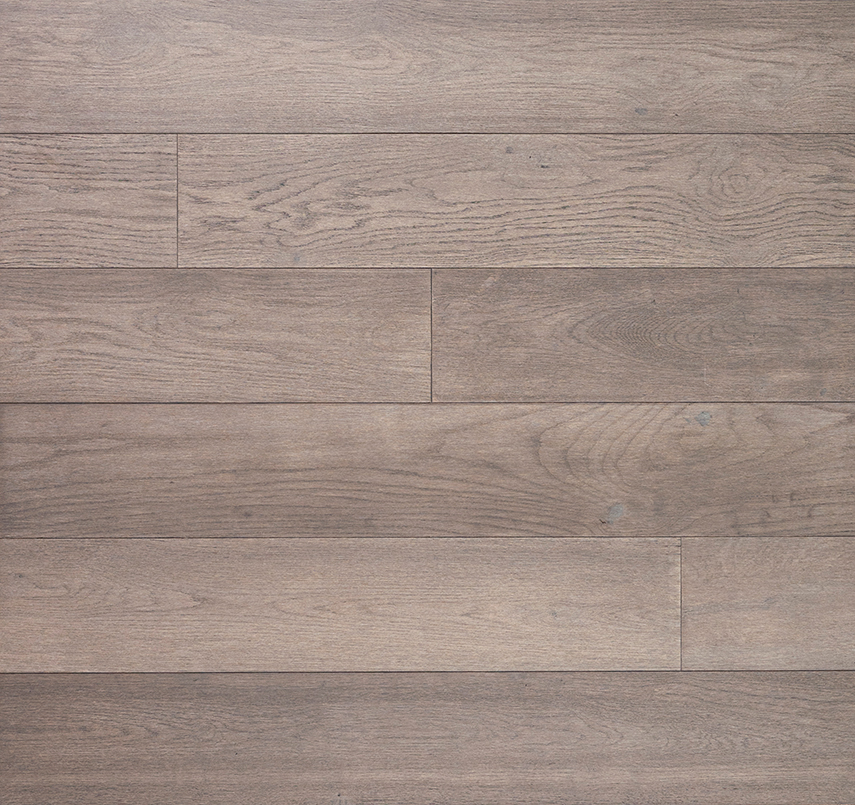
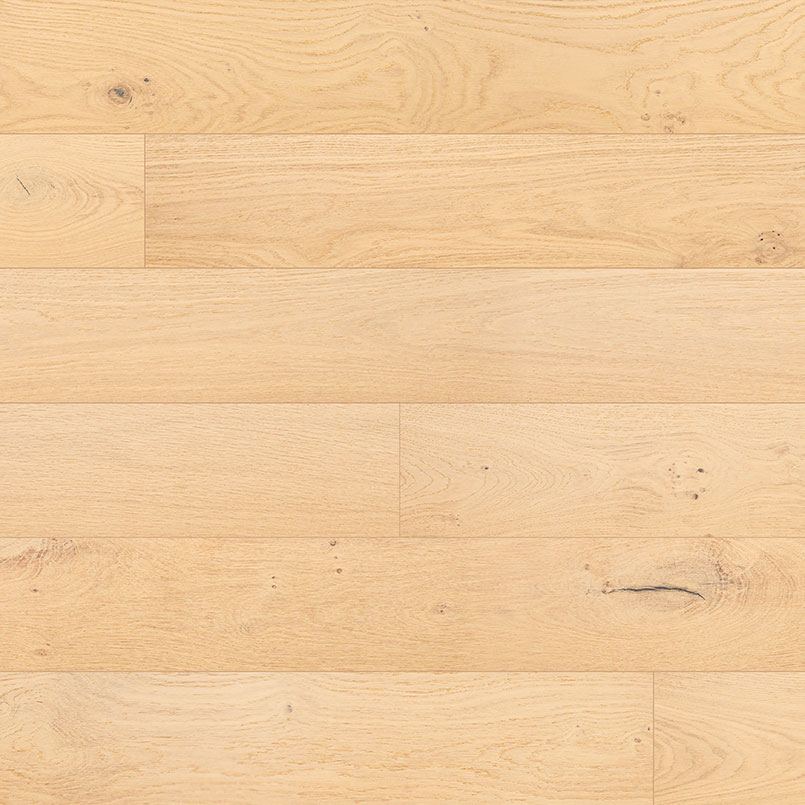
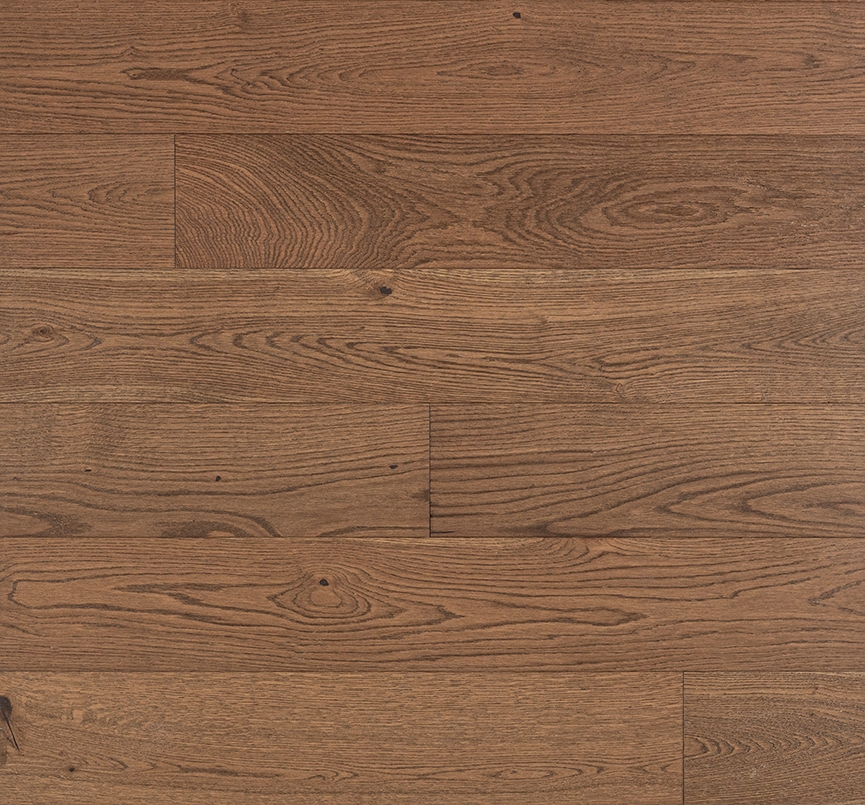
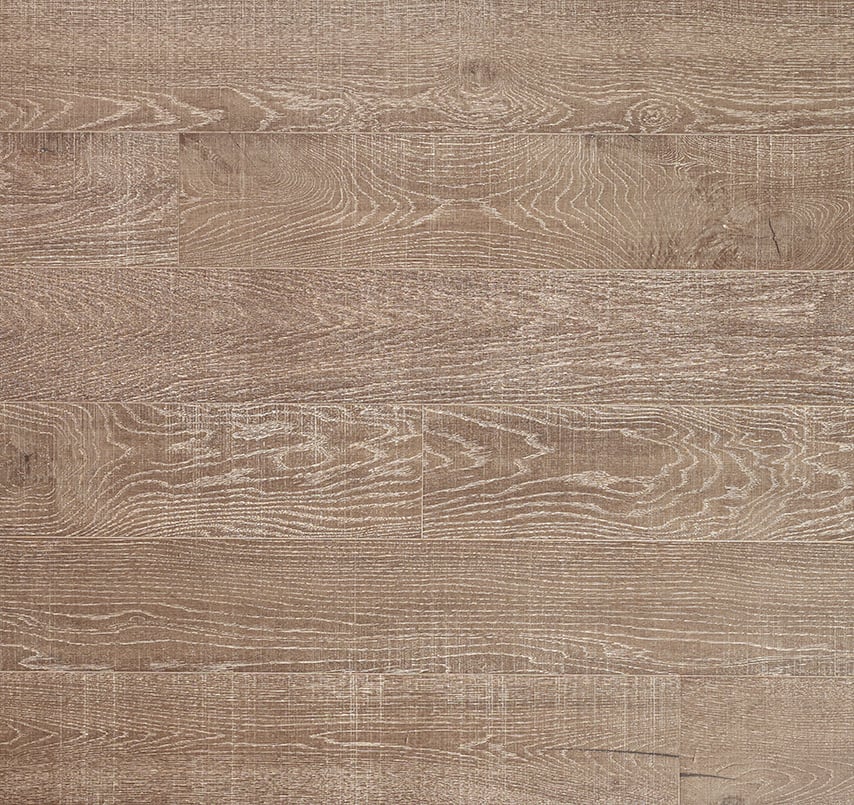
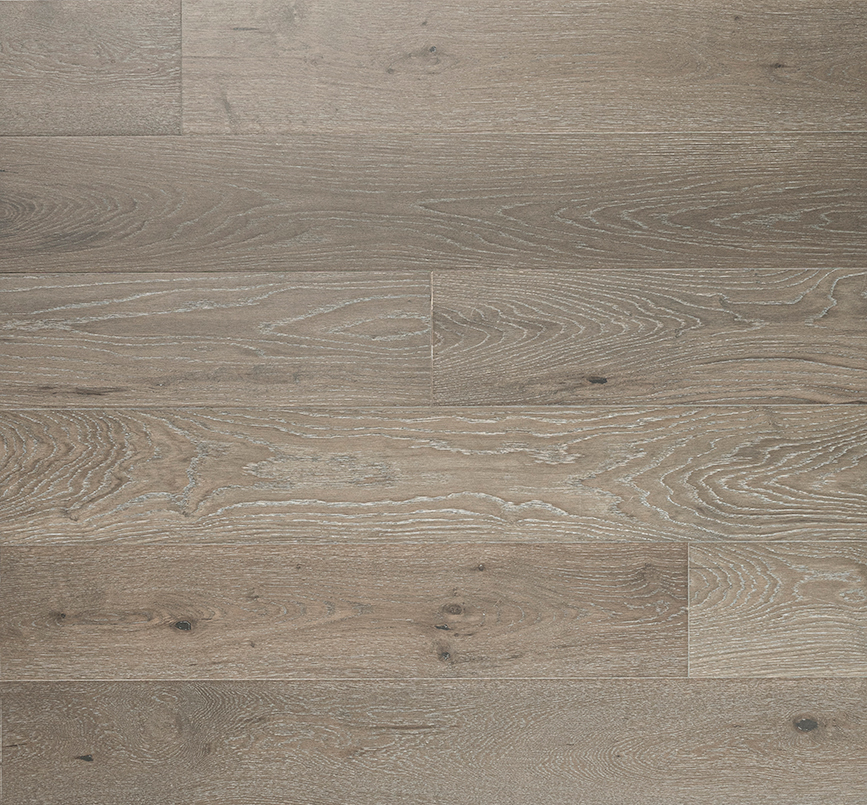
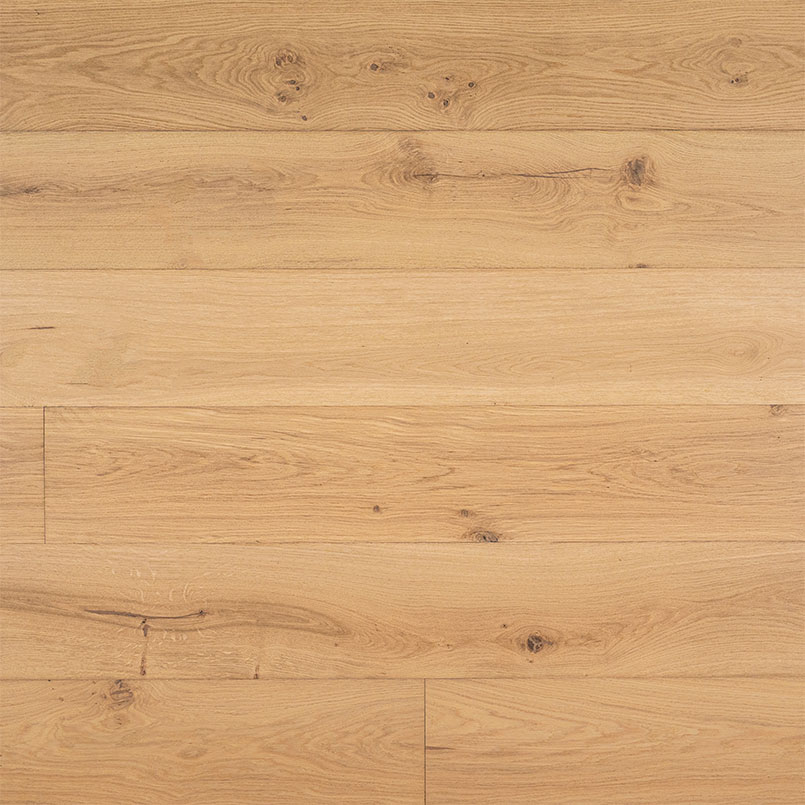
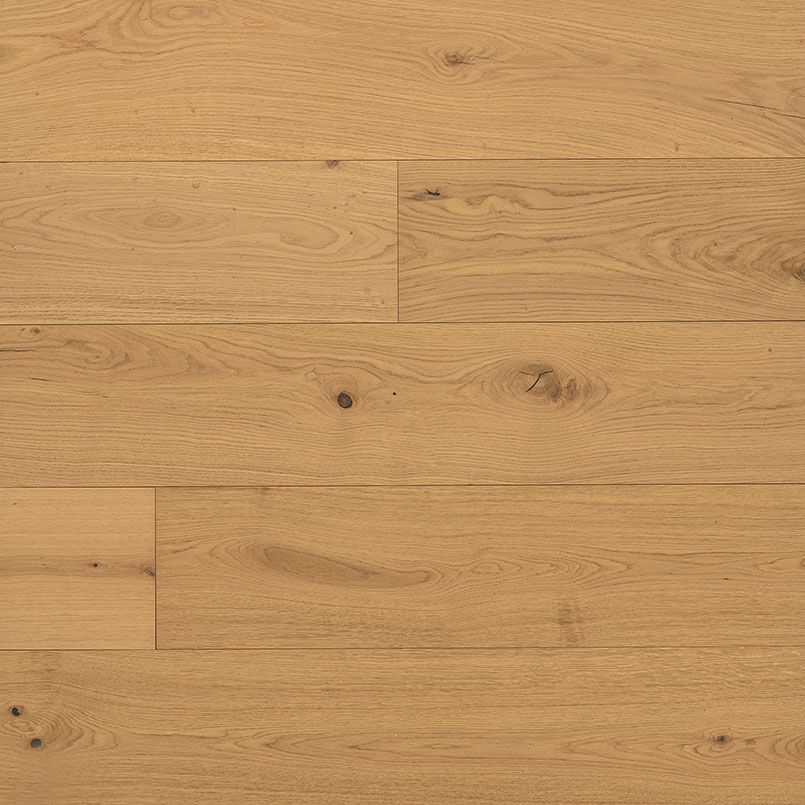
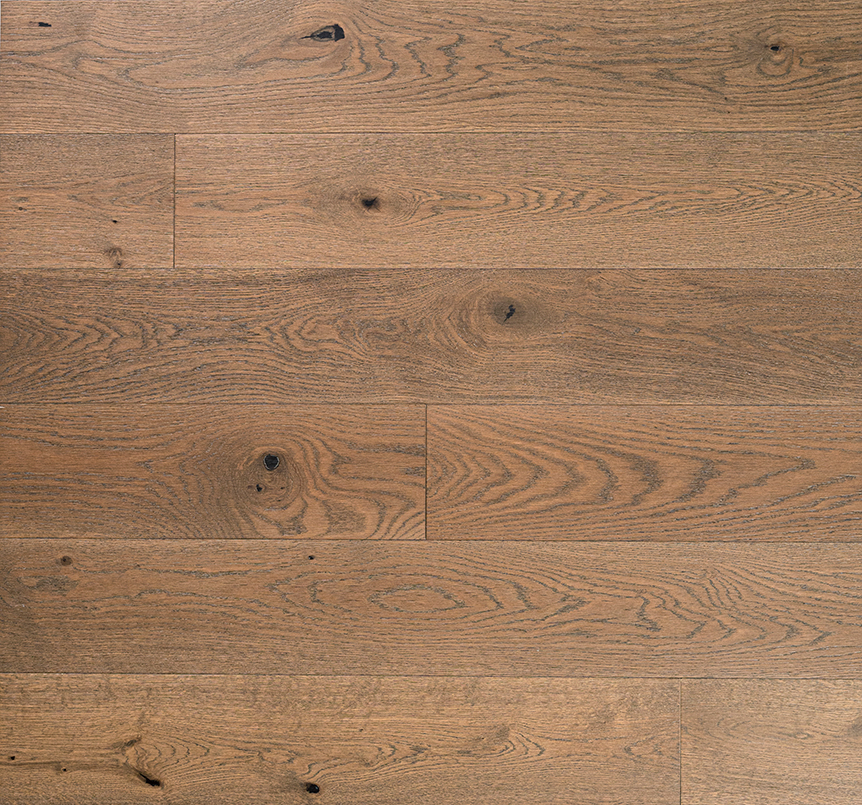
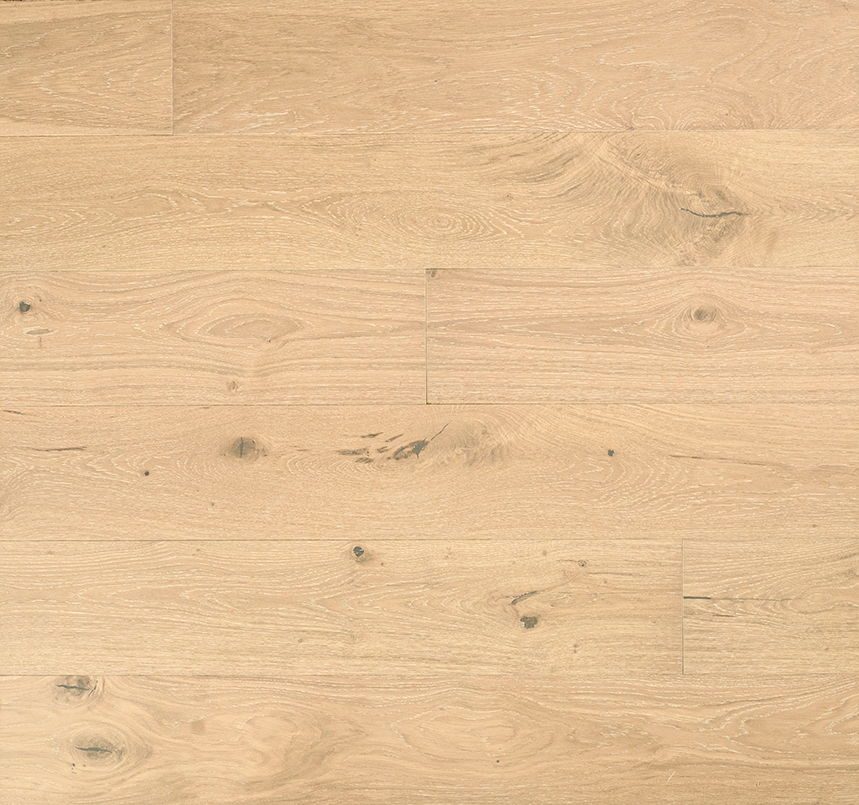
Engineered hardwood flooring provides the look of solid hardwood with added durability and stability. Unlike solid wood, which is a single piece of hardwood, engineered flooring is a man-made product composed of several layers.
The top layer is a thin veneer of real hardwood, which gives the plank the genuine appearance and feel of solid wood. Beneath this veneer, a core of multiple layers of plywood or high-density fiberboard (HDF) is bonded together. This layered, cross-grain construction makes the planks highly stable and less susceptible to the expansion and contraction caused by changes in temperature and humidity.
This stability is a major advantage, as it allows engineered hardwood to be installed in locations where solid hardwood is not recommended, such as in basements, over concrete subfloors, and with radiant heating systems. Engineered hardwood is also a more budget-friendly option than solid hardwood and is available in a wide variety of species, colors, and finishes. Installation can be done using a variety of methods, including glue-down, nail-down, or a DIY-friendly click-lock system.
While engineered wood can be refinished, the number of times this can be done depends on the thickness of the top veneer layer, and it is generally less than what is possible with solid hardwood.
We value feedback! Let us know how we could improve, what features you want or what your favorite color is. Thank you for anything you leave!